How to Dry Soaked Carpet After Leaks, Spills or Mini Floods
Water spreading across your carpet sends panic through any homeowner. Whether it's a burst pipe, overflowing appliance, or mini flood from heavy rain, a soaked carpet demands immediate action. First, stop the water source and extract as much liquid as possible using towels or a wet/dry vacuum. Then combine powerful airflow with dehumidifying to dry the carpet thoroughly and quickly.
If things are already spiraling out of control, a professional water damage company can step in with industrial equipment and expertise. In this blog, we will guide you on what steps to take in such an emergency.
What Happens if Your Carpet Stays Soaked Too Long?
Time becomes your enemy the moment water saturates your carpet. Wet carpet combined with warm indoor air and trapped dust creates perfect conditions for mold colonies to establish themselves, often starting their destructive growth within just 24 to 48 hours. Even carpets that feel merely damp on the surface can harbor pools of water trapped in the underlay, where mold colonies thrive unseen for weeks.
Ignoring a soaked carpet leads to consequences that compound daily. Musty odours settle into fibres and refuse to leave, no matter how much you vacuum or spray deodorizer. Mold spreads through carpet, padding, and eventually reaches wooden subfloors, where it causes warping and structural damage requiring expensive repairs.
How to Get Water Out of Carpet Before It Soaks In?
Learning how to get water out of carpet quickly makes the difference between saving your flooring and facing a mold disaster. The first 30 to 60 minutes after discovering the problem offer your best window to remove liquid before it penetrates deep into padding and subfloor materials. Acting fast protects both your property and your family's safety during these stressful moments.
Here are the immediate steps to extract standing water:
- Find and stop the water source completely so the soaking doesn't continue spreading
- Move furniture, area rugs, and valuables off the wet carpet immediately to prevent further damage
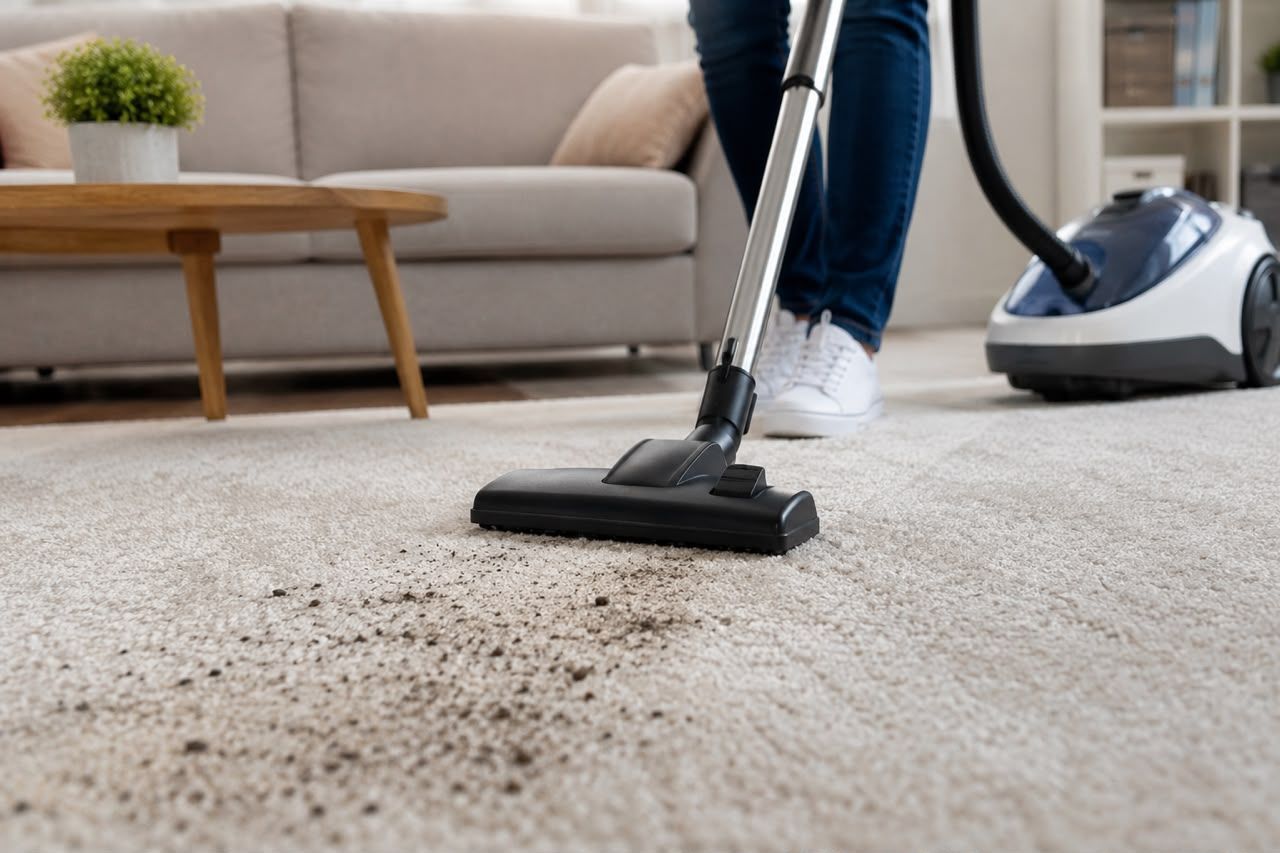
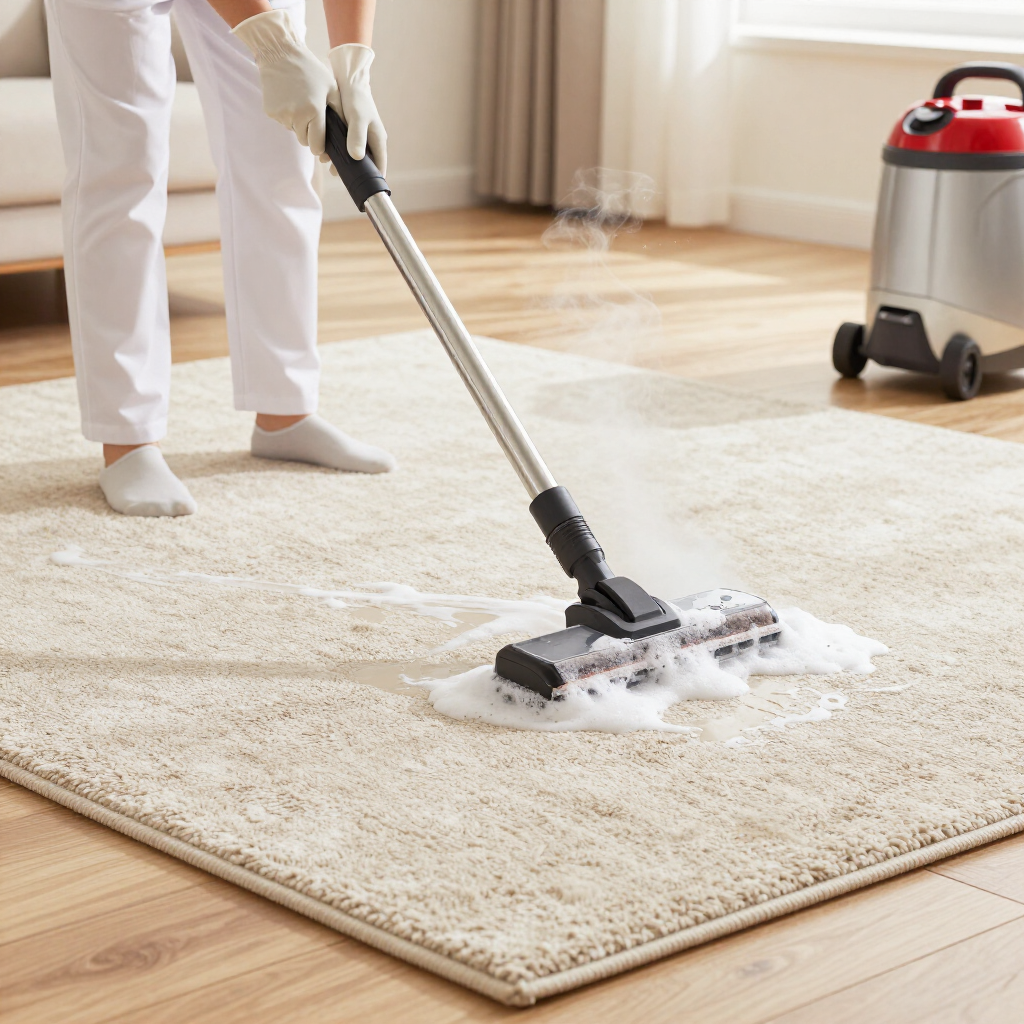
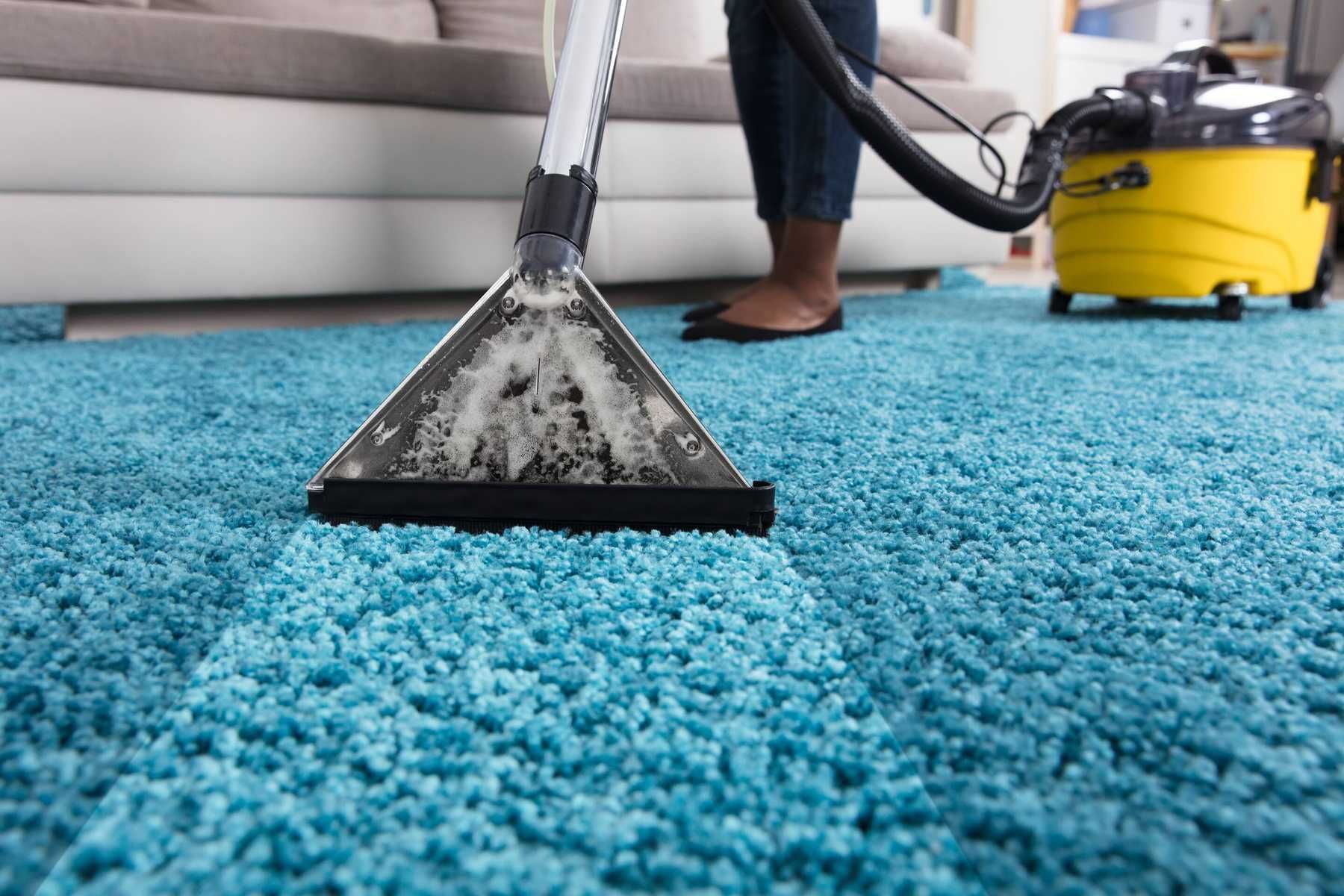
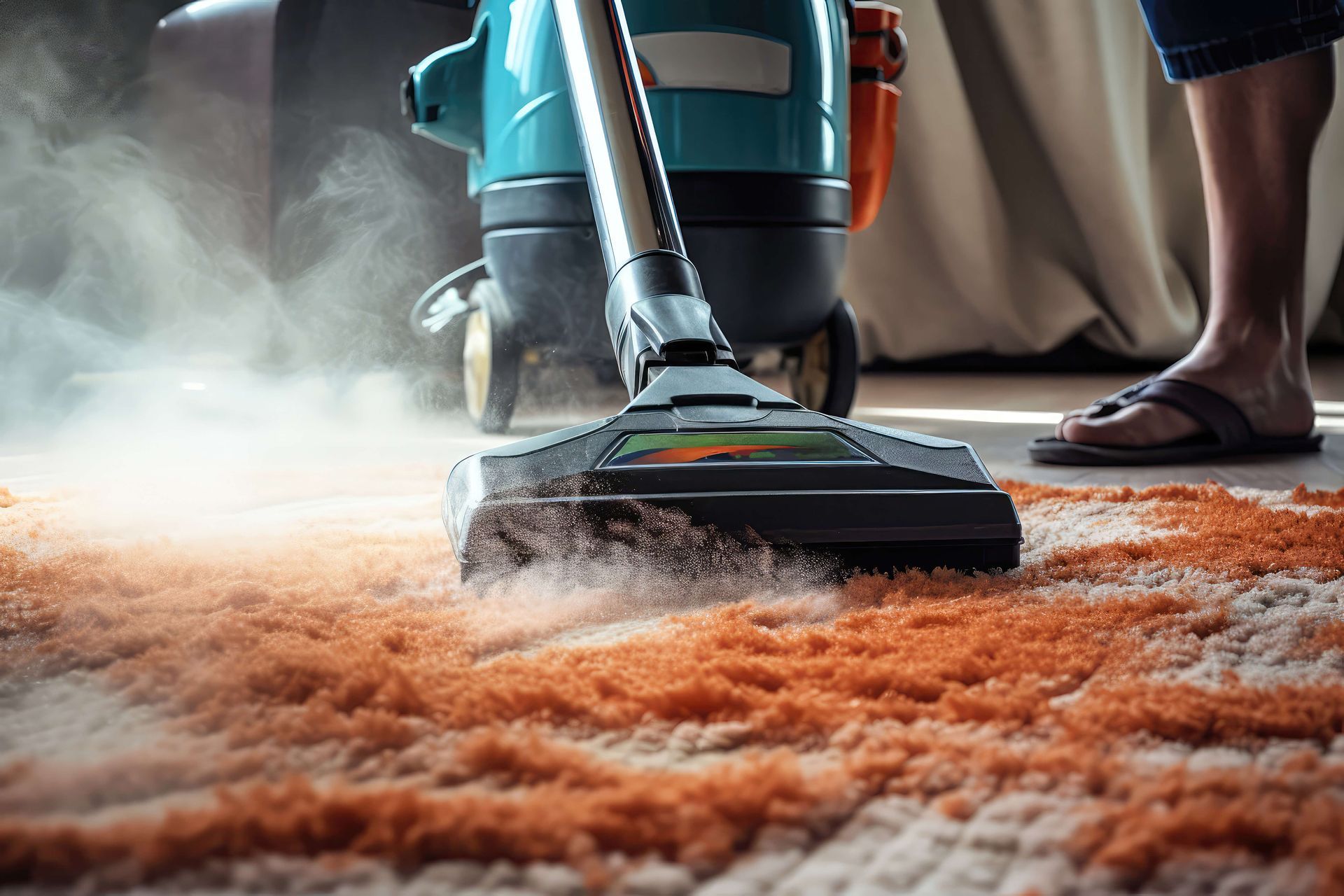
- Use a wet/dry vacuum to suck up as much water as possible from carpet fibres
- No wet/dry vac available? Press thick towels down firmly to absorb water instead
- Avoid using a regular household vacuum on soaked carpet, as it creates serious safety hazards
- Keep foot traffic to an absolute minimum so you don't push water deeper into the padding
What Is the Best Way to Dry a Wet Carpet Fast?
The best way to dry carpet involves combining three essential elements: aggressive airflow, moisture removal from the air, and sufficient time for complete drying through all layers. Once you've extracted standing water, your focus shifts entirely to drying not just the visible carpet surface but also the hidden underlay.
1. Increase Airflow Across the Carpet Surface
Position fans to blow air across the carpet horizontally rather than straight down, which creates better air circulation over wet areas. Use as many fans as you can gather, angling them in different directions to keep air constantly moving throughout the room. If weather conditions outside are dry and humidity is low, open windows or doors to create cross-ventilation that pulls damp air out while bringing fresh air in.
A box fan placed in the doorway and set to blow outward effectively removes moisture-laden air from the room while your other fans continue circulating air across the wet carpet. This continuous airflow speeds evaporation dramatically compared to simply waiting for the carpet to air dry naturally.
2. Remove Moisture From the Air With a Dehumidifier
Damp air floating around your room slows the drying process significantly and creates a humid environment that encourages mold spores to settle and multiply. Even a standard domestic dehumidifier can make a noticeable difference when running in a closed room with wet carpet. Check and empty the water collection tank regularly during the first 24 to 48 hours, as it fills surprisingly fast when pulling moisture from soaked flooring.
In
Wollongong's humid coastal climate, running a dehumidifier is often more effective than relying on open windows, especially during summer months when outdoor humidity rivals or exceeds indoor levels. Close windows while operating your dehumidifier in very humid conditions to prevent pulling additional moisture into the space you're trying to dry.
3. Lift Carpet Edges to Help Dry the Underlay
Carefully lift a corner of your carpet to check whether the padding underneath feels damp or soaked through. If the underlay shows moisture, position a fan so air can blow underneath the lifted carpet edge and reach the padding directly. This technique dramatically speeds drying in the hidden layers where mold loves to grow unnoticed.
Padding that stays completely saturated often needs replacing rather than drying because it holds water like a sponge and releases it slowly back into carpet fibres for weeks. Professional water damage restoration specialists can determine whether your underlay is salvageable or requires removal.
Can You Dry Wet Carpet With Baking Soda Alone?
Many people search for drying wet carpet baking soda methods, hoping for a simple fix to their water emergency. While baking soda works brilliantly for absorbing odours and light residual dampness, it cannot pull litres of water out of soaked carpet and padding. Baking soda serves best as a finishing step after you've already removed most water using towels, wet/dry vacuum, fans, and dehumidifiers.
Follow these steps to use baking soda effectively:
- Wait until the carpet feels damp rather than squishy or waterlogged to the touch.
- Sprinkle a generous, even layer of baking soda over the damp patch covering it completely.
- Leave it sitting for several hours or overnight to absorb remaining moisture and neutralize odours.
- Vacuum thoroughly afterward, going over the treated area slowly in multiple directions to pick up all residue.
- If baking soda clumps together or stays wet after hours, your carpet needs more drying time first.
When Should You Stop DIY and Call a Professional for Wet Carpet?
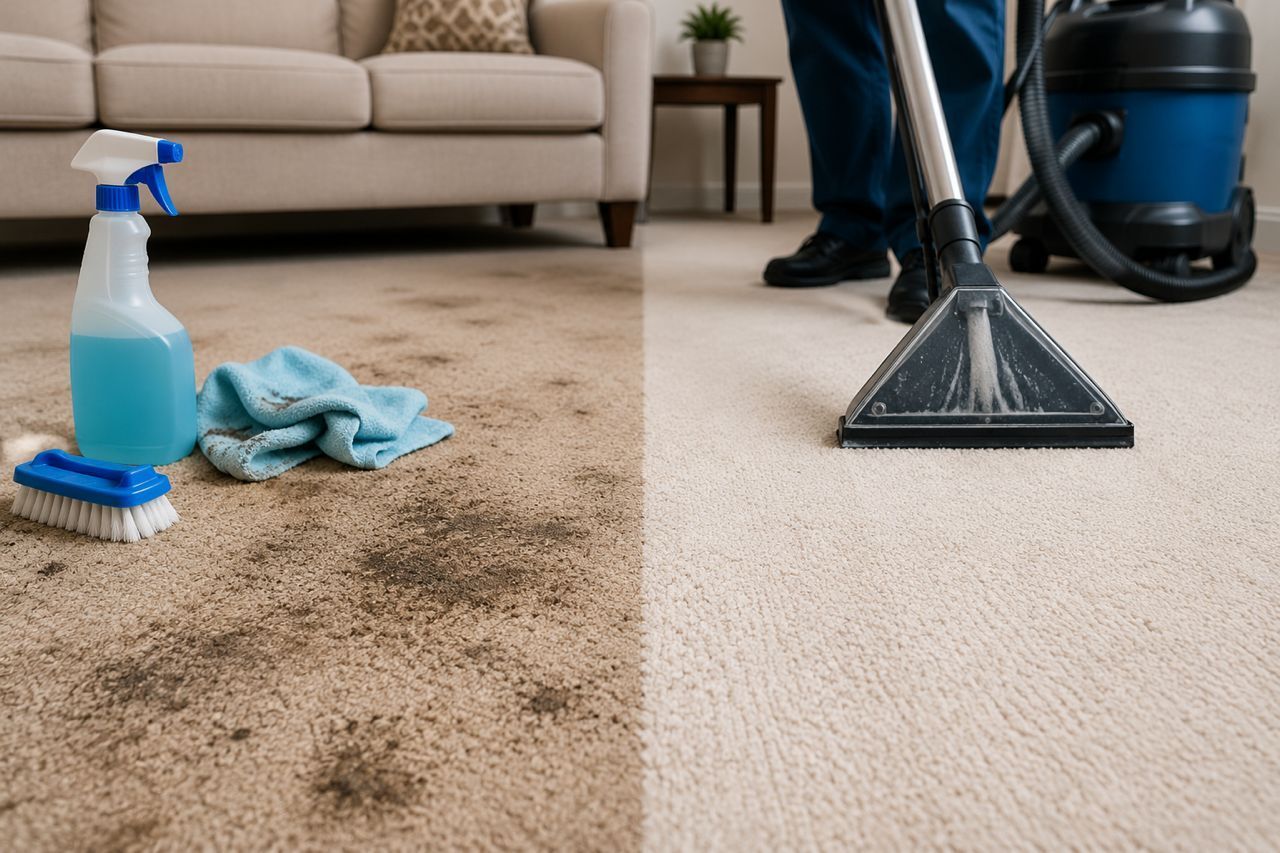
DIY drying is fine for small, clean-water spills you catch quickly, but it’s not right for every situation. Stop and call a professional if the water came from sewage, outdoor flooding, or a dirty source, or if the carpet and underlay have stayed wet for more than 24–48 hours. Strong mildew smells, visible mould, rippling carpet, or damp skirting boards are all red flags. A water damage specialist like Wollongong Carpet Cleaning Pro uses commercial extractors, industrial air movers, dehumidifiers, and moisture meters to remove hidden moisture and advise whether your carpet can be safely saved or should be replaced.
Frequently Asked Questions (FAQs)
How long does it take for a soaked carpet to dry?
With proper airflow and dehumidification, a soaked carpet typically takes 12 to 24 hours to dry in ideal conditions. However, thick carpets, humid weather, or inadequate ventilation can extend this to 48 hours or more.
How quickly can mold grow on a wet carpet?
Mold can begin developing within 24 to 48 hours once carpet stays wet, and conditions remain warm. This tight timeframe explains why the entire guide emphasizes fast water extraction and aggressive drying.
Can I use a regular vacuum to dry a soaked carpet?
No, never use regular household vacuums on soaked carpet for both safety and equipment reasons. Standard vacuums lack waterproofing and create electrical shock hazards when used on wet surfaces.
Is baking soda enough to dry a wet carpet by itself?
Baking soda helps absorb odours and minor dampness remaining after you've removed most water, but it cannot extract the litres of liquid trapped in soaked carpet and padding.
When do I need to replace carpet instead of drying it?
Carpet replacement becomes necessary when water comes from sewage or heavily contaminated sources, when carpet and padding stayed soaked for more than 48 to 72 hours, when strong mildew smells persist despite thorough drying, or when visible mold covers large areas.
Contact Wollongong Carpet Cleaning for Fast Emergency Service
Don't let a soaked carpet turn into a mold disaster that threatens your family's health and destroys your flooring investment. Wollongong Carpet Cleaning delivers a rapid emergency response with professional-grade water extraction equipment and experienced technicians. Contact us for immediate assistance when water damage strikes your home.