Why Your Carpet Still Looks Dirty After Vacuuming
Vacuuming is essential for everyday carpet maintenance, but it cannot remove everything that becomes embedded in carpet fibres. Fine dust, oils, allergens, stains and gritty particles can settle below the surface where ordinary vacuuming has limited reach. If your carpet still looks dull or feels less fresh after regular vacuuming, the problem may be deeper than visible debris.
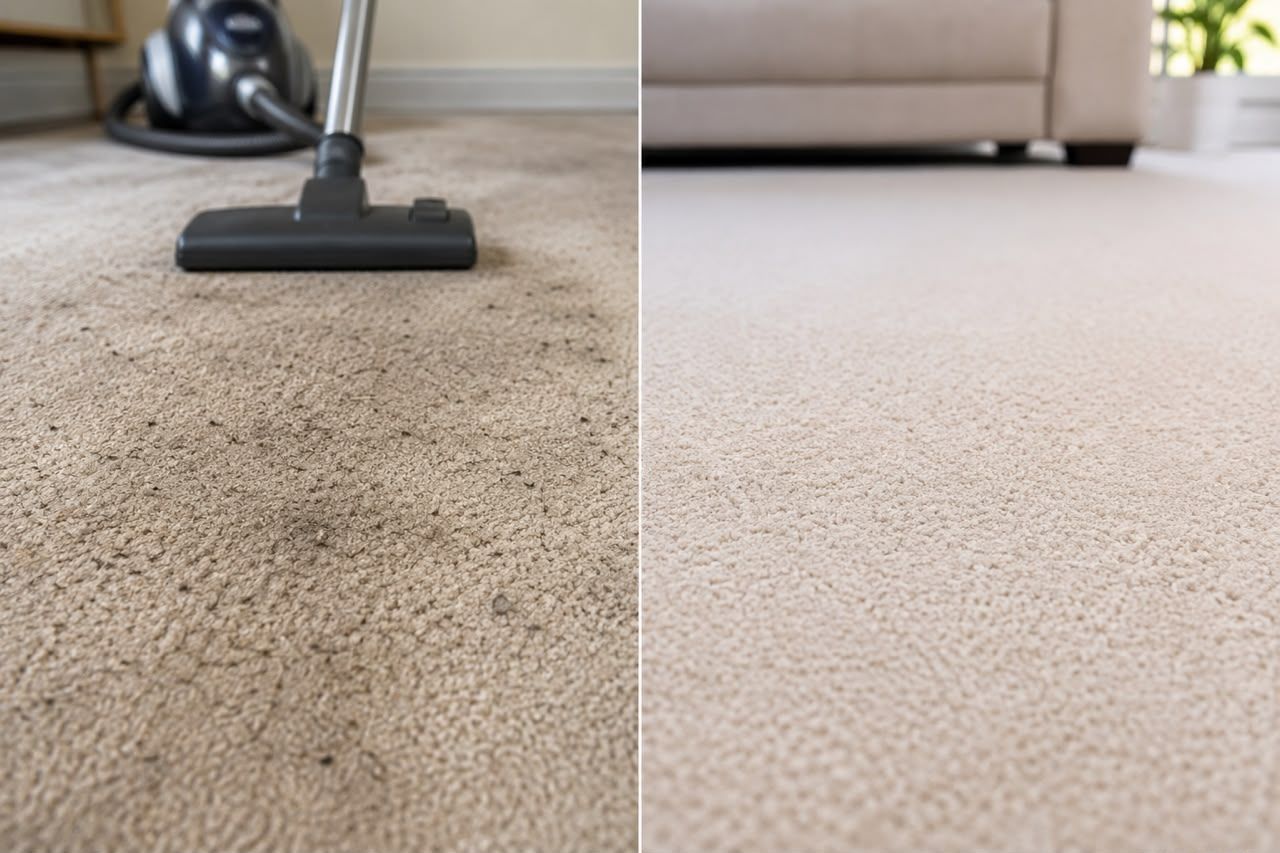
What Vacuuming Removes and What It Leaves Behind
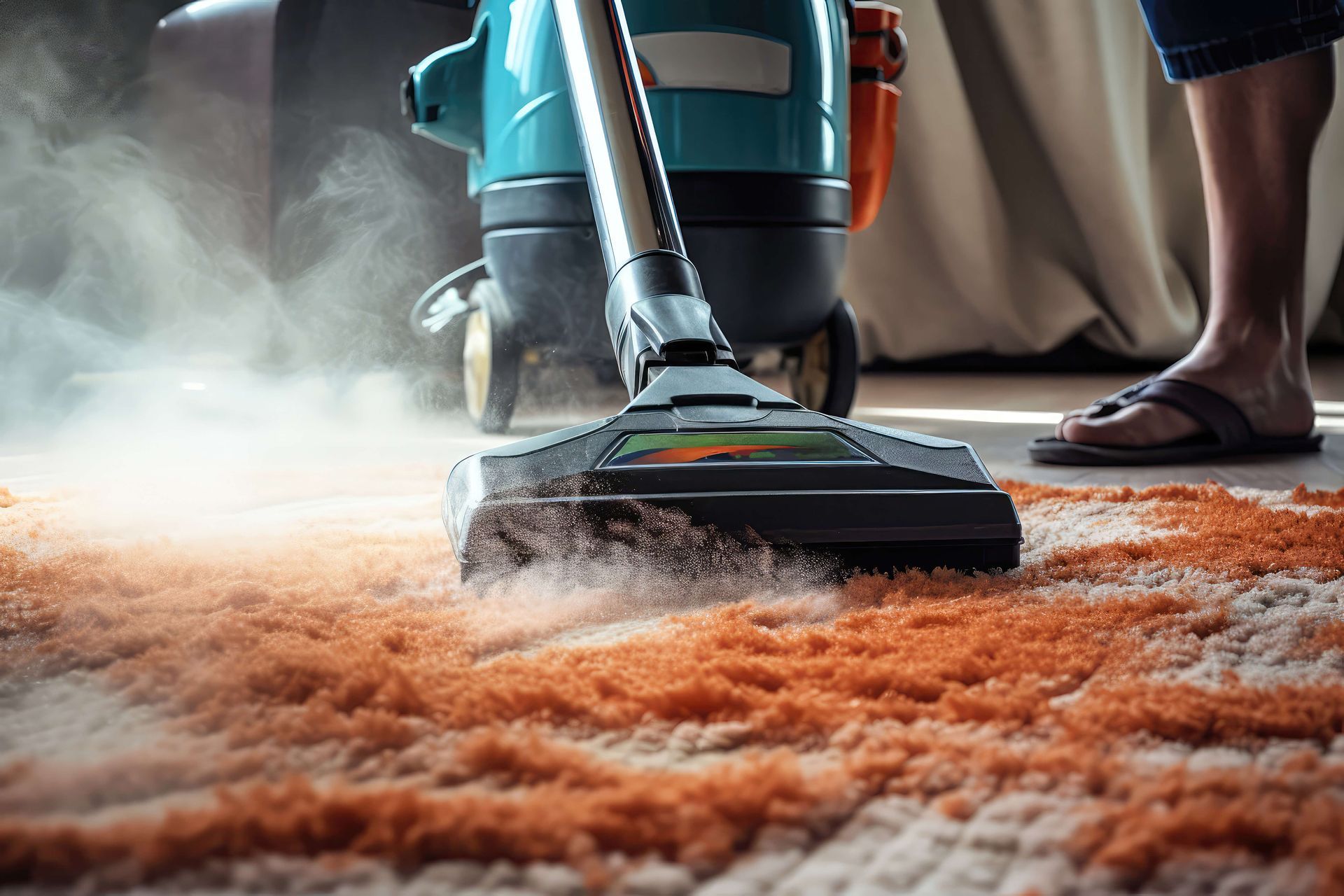
Regular vacuuming removes loose dirt and debris from the carpet surface and upper fibres. A vacuum cleaner is designed primarily to collect loose particles, including dust, crumbs, hair and some grit brought indoors on shoes. With consistent use, it can significantly reduce the amount of everyday debris sitting in the carpet. However, vacuuming has limitations when dirt becomes attached to fibres or settles beneath the upper layer.
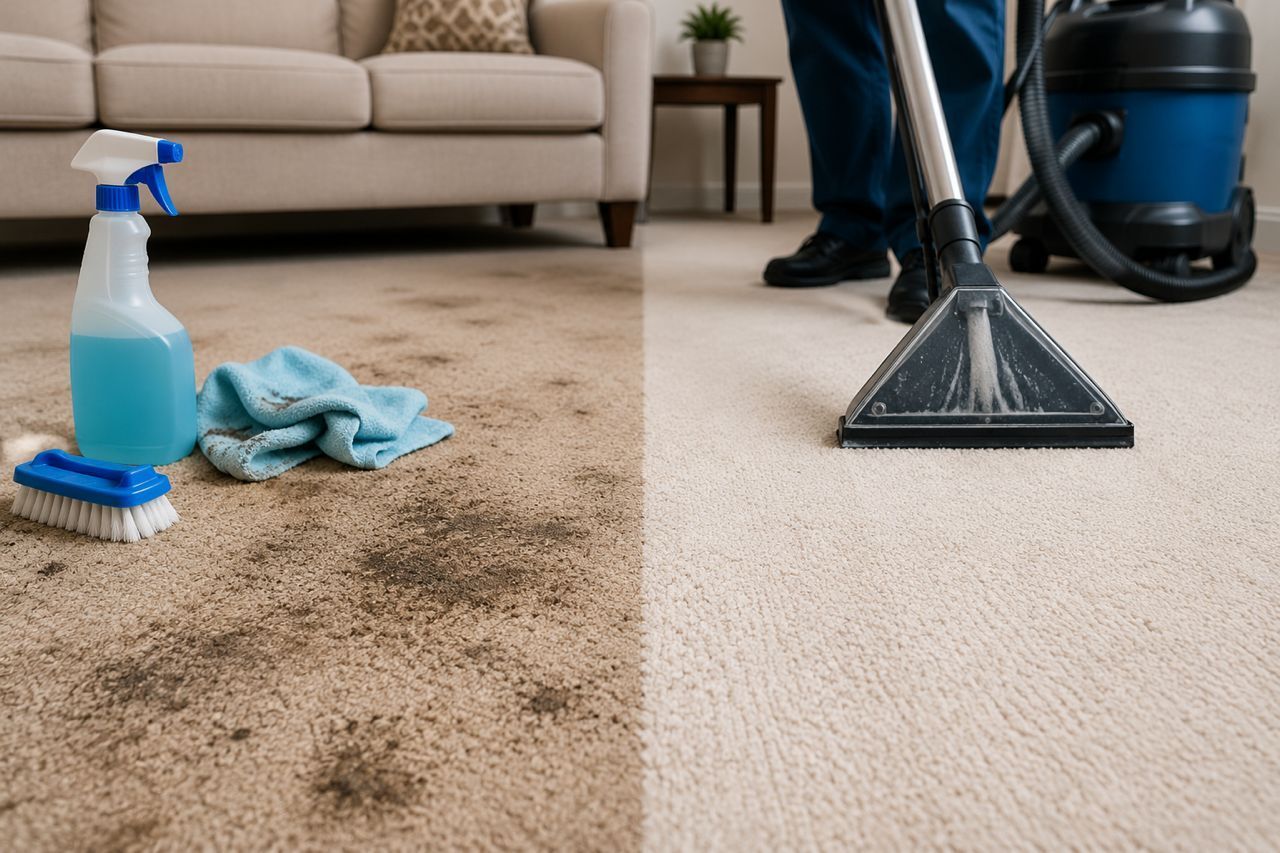
One major problem is fine soil carried indoors through foot traffic. Tiny particles can work their way down between carpet fibres, especially in hallways, entrances and living areas. Each step can push this material further into the pile. Over time, the fibres may become coated with a combination of dust, body oils and other residues, making them look darker or flattened even after vacuuming.
Carpet can also collect substances that a vacuum cannot simply lift away. Food and drink spills may leave residues, while pet accidents can introduce moisture and odour-causing contaminants. Household oils from skin, cooking and everyday activity can gradually accumulate as well. These materials may bind to fibres and require a suitable cleaning solution and extraction process rather than dry suction alone.
This is why professional carpet cleaning can make such a visible difference. Wollongong Carpet Cleaning states that regular professional cleaning removes deep-seated dirt, allergens and bacteria that ordinary vacuuming cannot eliminate. The company recommends professional cleaning at least every 12 to 18 months, with more frequent cleaning potentially appropriate for high-traffic homes and households with pets or children.
Why Dirt, Stains and Fibre Wear Change the Appearance
A carpet can look dirty for several different reasons, and not every problem can be solved by applying more suction. Embedded dirt is one of the most common reasons a carpet loses its original brightness. Grit can settle around individual fibres and act like an abrasive material as people walk across the surface. Repeated friction can gradually affect the appearance of the pile, particularly in entrances, corridors and areas around frequently used furniture.
Stains present a different challenge. A spill may appear to disappear after an initial clean but later become visible again. This can happen when material has travelled deeper into the carpet and returns towards the surface as the area dries. Attempting to remove a stain with excessive water or an unsuitable household product can also leave residues that attract more soil.
For this reason, carpet stain removal should begin with identifying the type of stain and the carpet material. Coffee, wine, grease, mud and pet-related stains can respond differently to treatment. Wool and other delicate fibres may also require a gentler approach than hard-wearing synthetic carpets. Professional cleaners can assess the affected area before selecting products and techniques.
Odour can create a similar illusion. A carpet may look reasonably clean while still smelling stale because contaminants are trapped below the visible surface. Pet accidents are particularly important because liquid can penetrate towards the backing or underlay. In such cases, treating only the top of the carpet may not address the source of the odour.
Wollongong’s coastal environment can add another layer of challenge. Local service information notes that coastal air, humidity, dust and daily foot traffic can contribute to moisture, odours and buildup in carpets and upholstery. This makes appropriate cleaning and drying practices particularly important for homes in the area.
When Professional Cleaning Can Restore a Dull Carpet
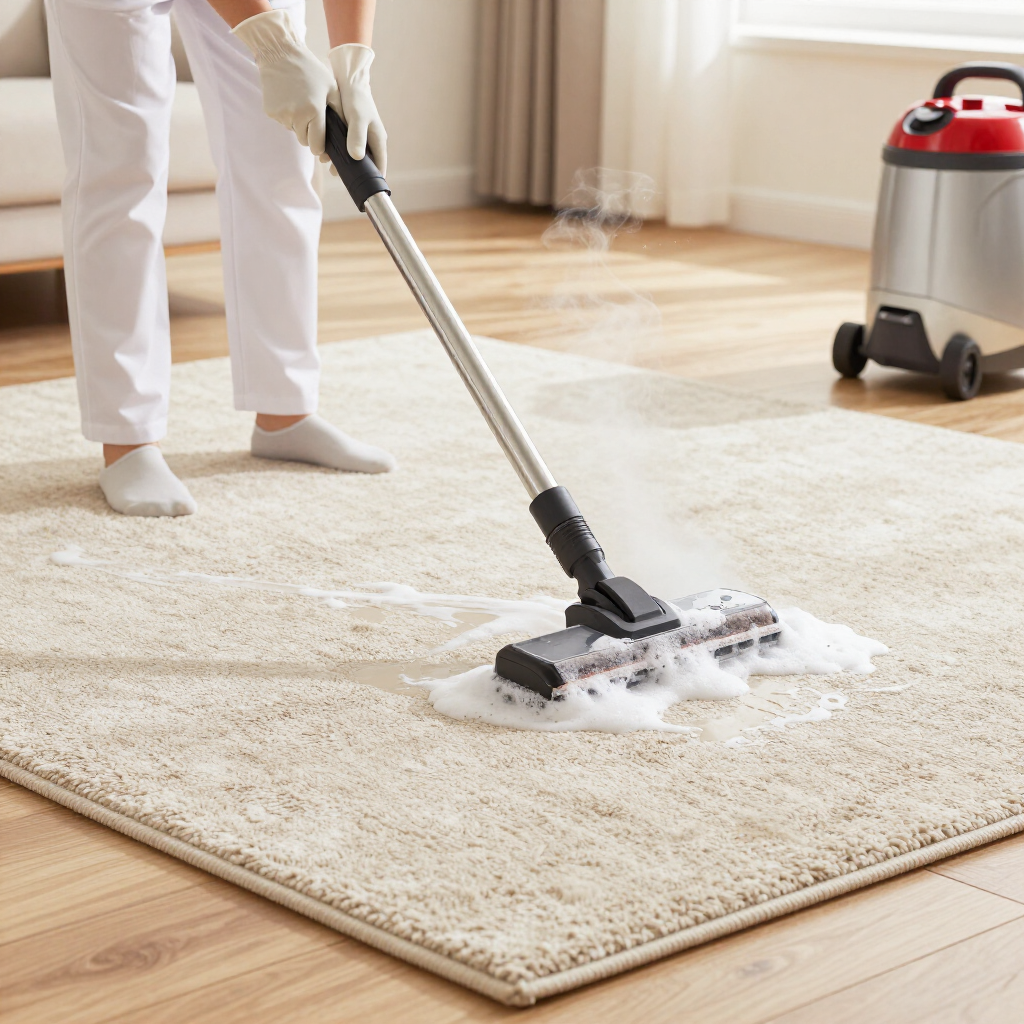
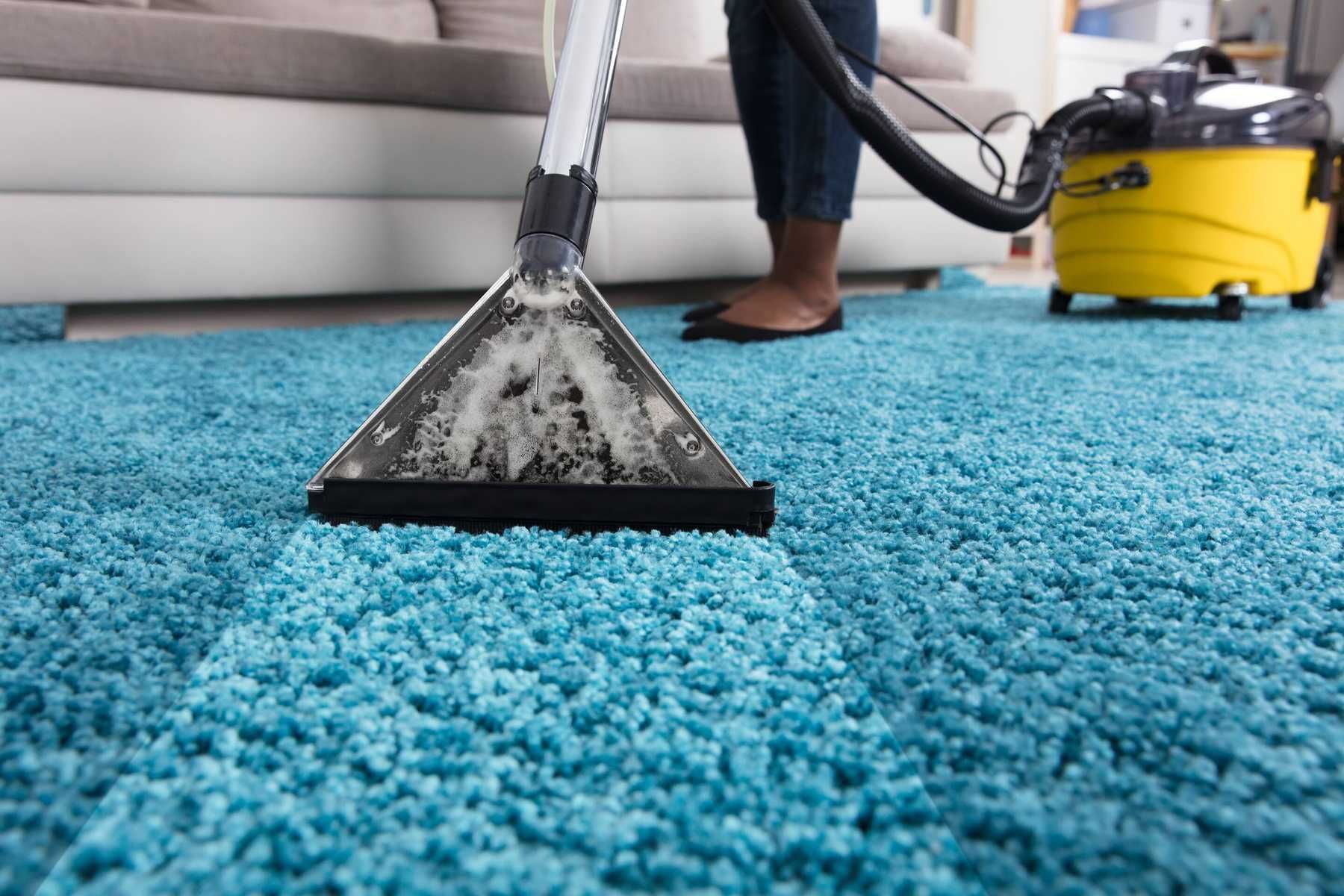
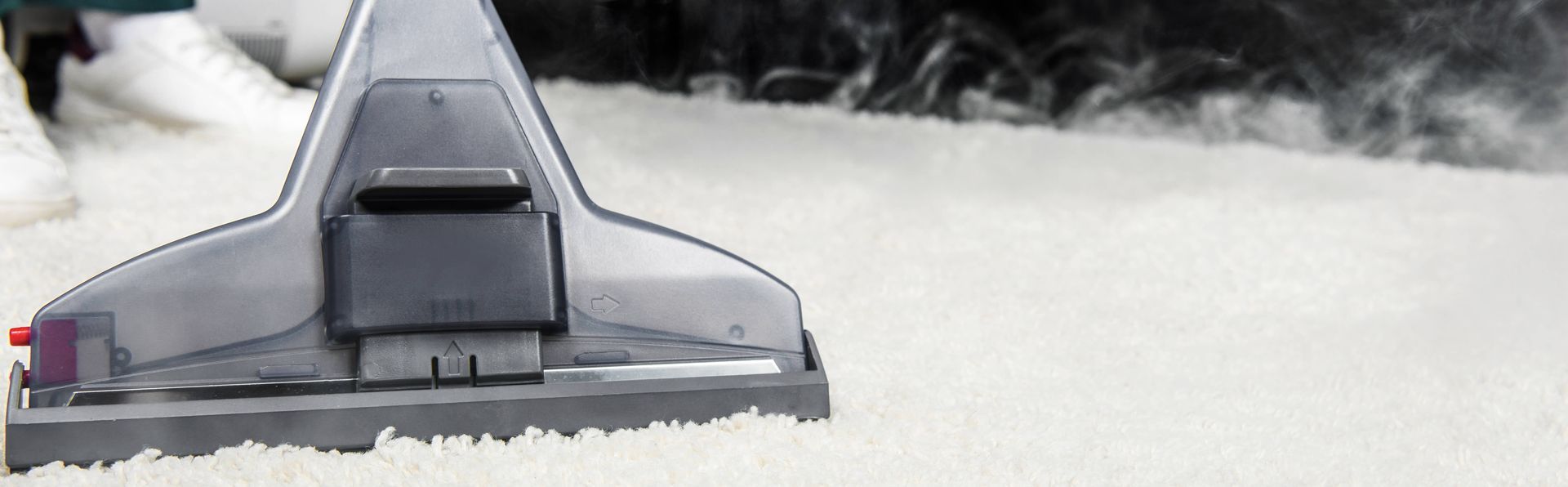
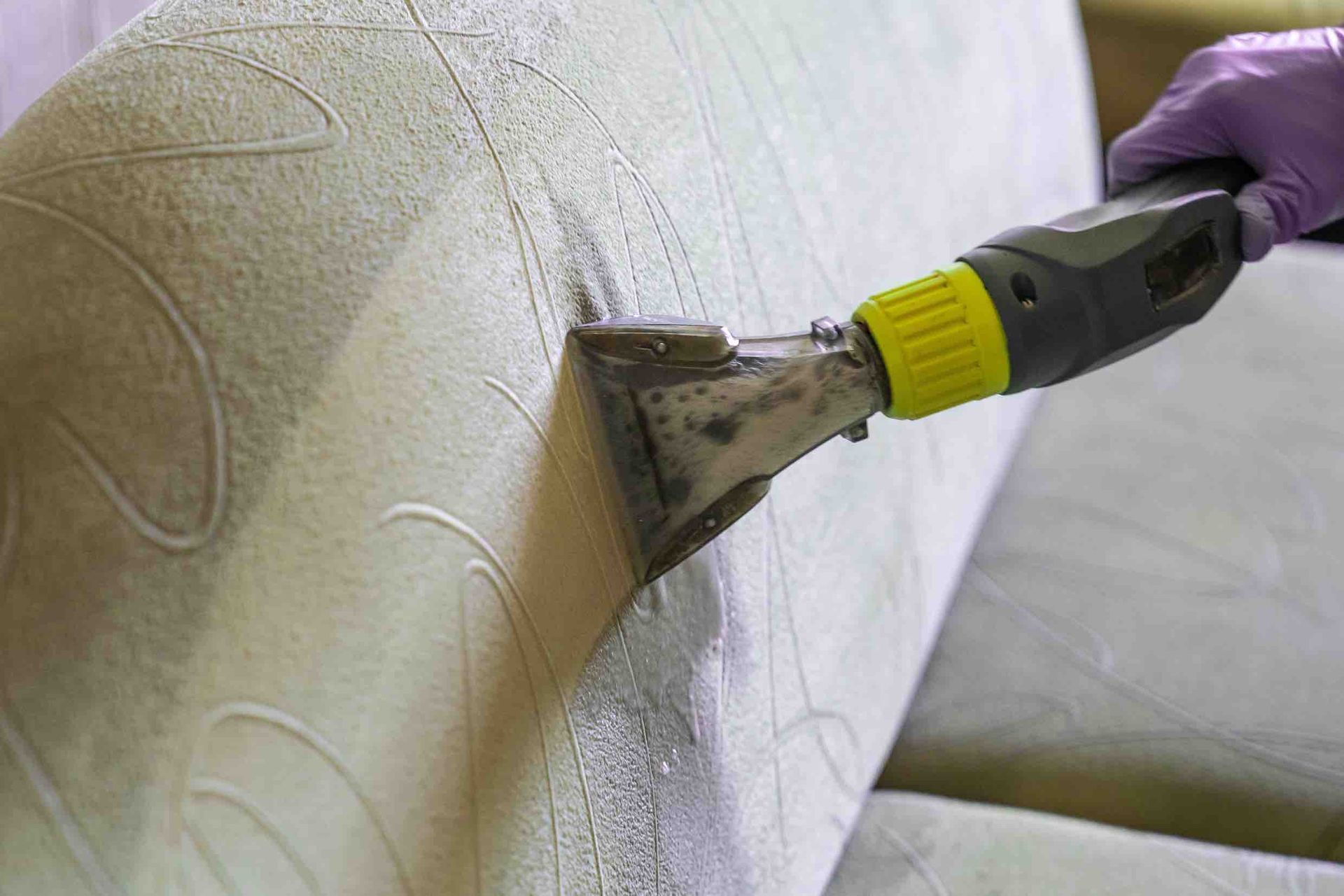
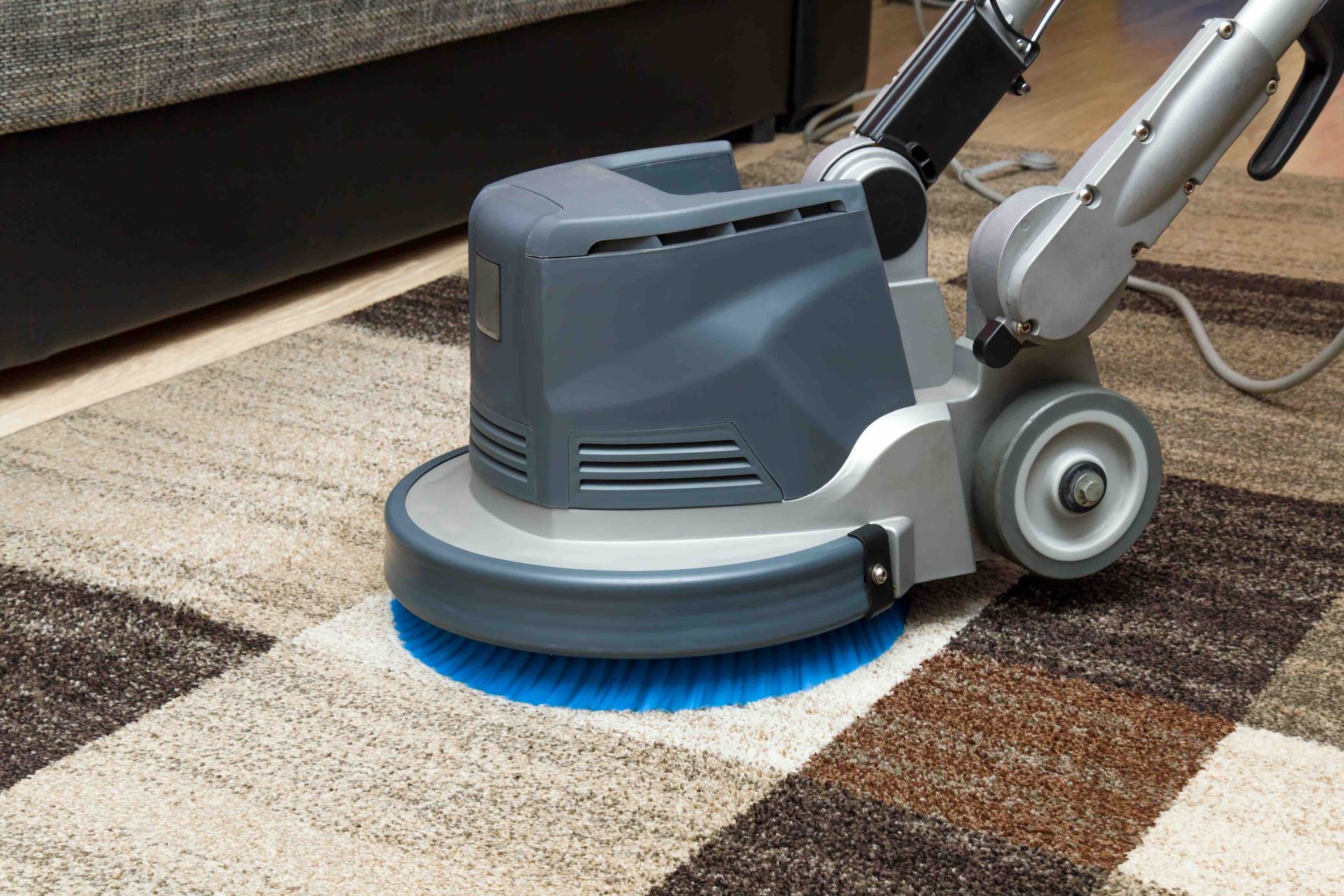
Once vacuuming is no longer enough, the right cleaning method depends on the carpet’s condition, fibre type and the result required. For heavily soiled carpets, carpet steam cleaning, also known as hot water extraction, can provide a deeper clean than routine vacuuming. The process applies a cleaning solution and hot water to loosen contaminants before powerful extraction removes the mixture from the carpet. Wollongong Carpet Cleaning describes this method as suitable for embedded dirt, stains, allergens and high-traffic areas.
Dry cleaning provides a different approach. Low-moisture products are used to loosen and lift dirt without saturating the carpet, making the method useful when faster drying is important. Wollongong Carpet Cleaning notes that dry cleaning can be suitable for routine maintenance, high-traffic areas and situations where carpets need to return to use quickly.
The best choice should be based on the carpet rather than a one-size-fits-all rule. A professional cleaner can consider the fibre, backing, level of soiling, stains, previous treatments and required drying time. Delicate or wool carpets may require particular care, while heavily contaminated synthetic carpets may benefit from a deeper extraction process.
Homeowners can make professional cleaning more effective by vacuuming high-traffic areas regularly and addressing spills promptly. Using mats at external doors can reduce the amount of soil brought indoors, while moving furniture occasionally can help prevent uneven wear.
It is also worth paying attention to drying conditions after a deep clean. Wollongong Carpet Cleaning states that steam cleaning may take around 6 to 12 hours to dry, while dry cleaning can be ready for use much sooner, although ventilation, humidity and carpet type affect the actual drying period. Good airflow can help the carpet dry more efficiently.
If a carpet remains dull after a thorough professional clean, the issue may not be removable dirt. Permanent staining, fibre wear, fading or changes caused by previous cleaning attempts may affect the final appearance. A professional assessment can help set realistic expectations and determine whether further cleaning, targeted treatment or eventual carpet replacement is the more sensible option.
Conclusion
A carpet can still look dirty after vacuuming because everyday suction does not remove every substance trapped within its fibres. Fine grit, oils, residues, allergens and stains can accumulate below the surface, while heavy foot traffic can flatten fibres and change how the carpet reflects light. In Wollongong homes, coastal conditions, humidity and regular household traffic can add to these challenges, making periodic professional carpet cleaning a valuable part of long-term carpet care.
The key is to match the cleaning method to the actual condition of the carpet. Professional carpet cleaning can address embedded soil and stubborn stains through methods such as hot water extraction or low-moisture dry cleaning, while prompt stain treatment and regular vacuuming help maintain results between services. If your carpet continues to look dull despite frequent vacuuming, a professional assessment can identify whether deep cleaning, targeted stain removal or another solution is most appropriate.
About Wollongong Carpet Cleaning Pro
Wollongong Carpet Cleaning Pro is a locally operated cleaning provider serving Wollongong and surrounding areas with residential and commercial carpet cleaning, carpet steam cleaning, hot water extraction, dry carpet cleaning, stain removal, upholstery cleaning and mattress cleaning. The company states that its trained and insured team uses specialised equipment and tailored cleaning methods for different carpet and fabric types, including wool carpets and heavily soiled areas, while offering eco-friendly cleaning products. With services designed for homes, offices and other commercial properties, customers can access deep cleaning, stain treatment and upholstery care suited to their specific needs.