How Often Should You Clean Carpets? Signs You Need Deep Cleaning or Replacement
Carpets work hard every day. They trap dirt, dust, allergens, and moisture that would otherwise move through the air in your home, and over time that accumulation affects both how the carpet looks and how healthy the indoor environment feels. MMany households in coastal NSW may not clean their carpets as often as their usage and environmental conditions require, and by the time the signs are obvious, the carpet has often been under stress for months without any attention.
At Wollongong Carpet Cleaning Pro, we work on carpets across the Illawarra region every day, and the same problems come up repeatedly in homes that have left cleaning too long. This guide covers how often carpets should be professionally cleaned based on household type, the specific signs that mean a deep clean is needed now, and the signs that point toward replacement rather than cleaning.
How Often Should Carpets Be Professionally Cleaned?
Professional carpet cleaning frequency depends on how the carpet is used and who is living in the home, not on a fixed calendar that applies to every household equally. For a standard household with two adults, no pets, and moderate foot traffic, professional carpet cleaning every 12 months is a reasonable minimum interval. The carpet accumulates embedded dirt, body oils, dust mite debris, and allergens that regular vacuuming cannot reach, and an annual clean removes that load before it begins breaking down the carpet fibres permanently.
Households with children, pets, or anyone with allergies or asthma need a shorter interval. Homes with pets should schedule professional cleaning every 3 to 6 months because pet dander, hair, and accidents penetrate into the carpet pile and underlay quickly, and DIY cleaning methods often cannot provide the same level of deep extraction as professional equipment, especially for embedded dirt, pet debris, and allergens. Families with young children who spend time on the floor should also aim for every 6 months rather than annually.
Signs Your Carpet Needs a Deep Clean Now
Some signs that a carpet needs professional attention are obvious. Others are easy to dismiss as normal wear until the carpet has deteriorated further than it needed to. Pet odours, musty smells, and food odours that have settled into the fibre and underlay will not improve with surface cleaning and require professional hot water extraction to remove the source rather than mask the symptom.
These signs that a carpet needs professional deep cleaning include:
- Persistent odours that remain after vacuuming or surface spot treatment
- Visible dark traffic lanes in high-use areas like hallways and living rooms
- Stains that reappear on the surface after spot cleaning and drying
- Increased allergy symptoms or concerns about indoor allergens among household members.
- A dull or grey appearance across the carpet surface despite regular vacuuming
- Carpet that feels stiff, gritty, or rough underfoot in well-used areas
Our
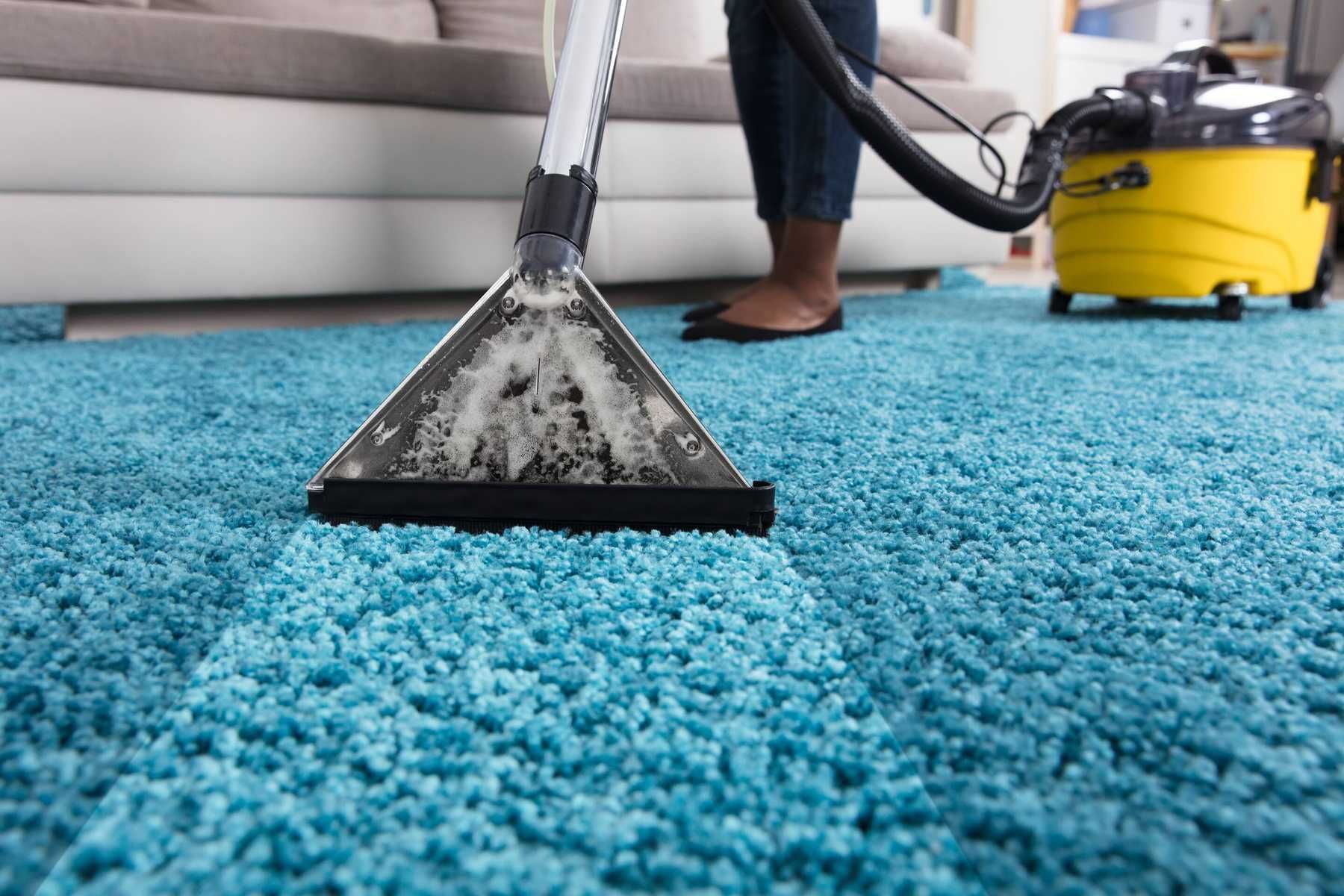
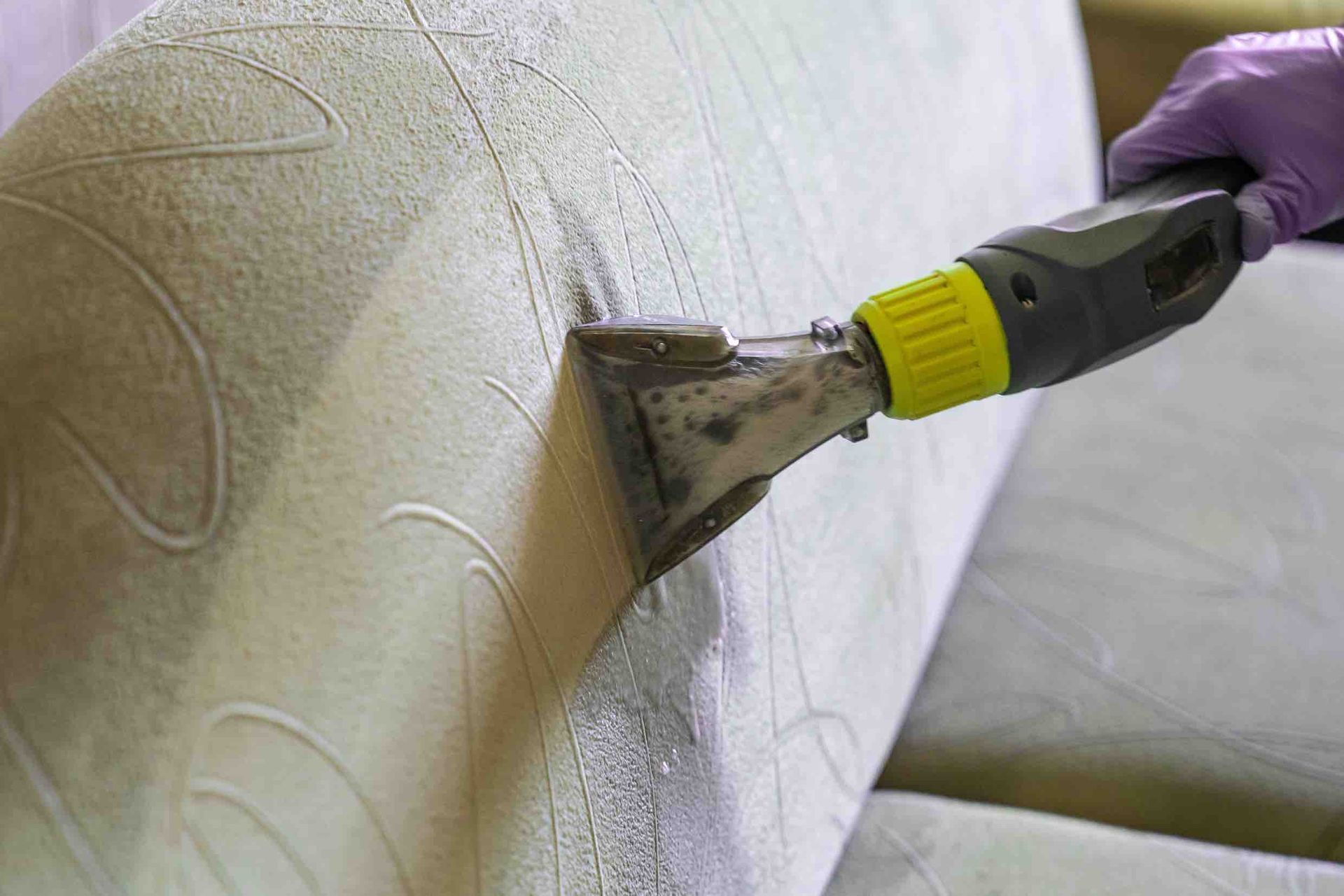
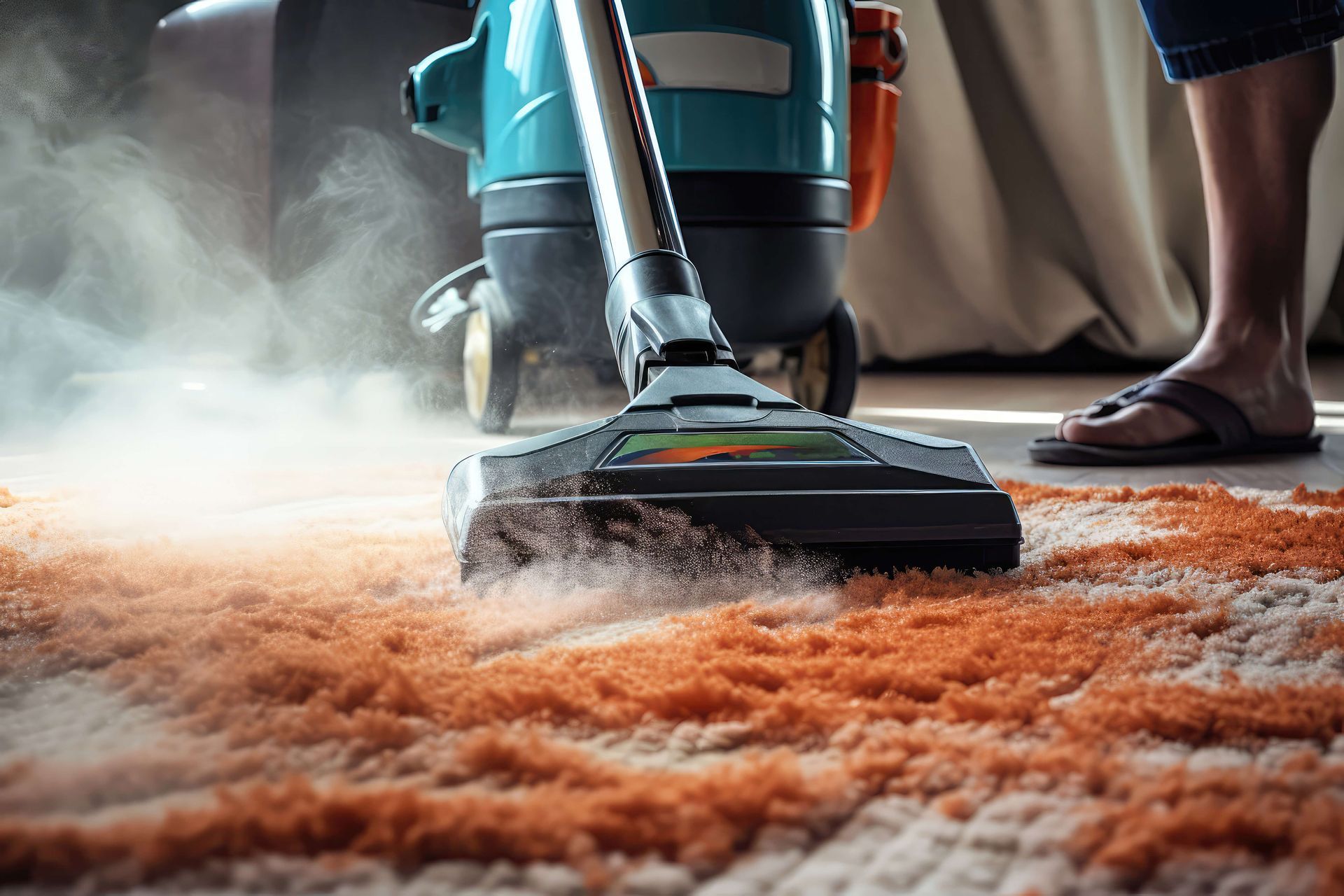
hot water extraction service reaches deep into the carpet pile to loosen and remove embedded soil, allergens, and residues that cause these problems, rather than treating only the surface layer that vacuuming and consumer cleaning products address.
How Carpet Fibre Type Affects Cleaning Frequency and Lifespan
Different carpet fibres have different tolerances for soil accumulation, moisture, and cleaning frequency, and understanding the fibre type in a Wollongong home helps set the right cleaning schedule. Wool carpet is known for its durability and can often last 10 to 15 years or longer when properly maintained, but it requires careful moisture management during cleaning because wool holds water longer than synthetic fibres and is more susceptible to mould in humid coastal conditions. Wool carpets in Wollongong homes benefit from low-moisture cleaning methods or carefully controlled hot water extraction with rapid drying protocols.
Polypropylene, also known as solution-dyed olefin, resists staining effectively but can flatten under sustained traffic and generally has a shorter lifespan of around 7 to 10 years before matting becomes a visible problem. Knowing the fibre type helps both in setting a cleaning schedule and in deciding which professional cleaning method is most appropriate, and our rug cleaning service applies the same fibre-specific approach to area rugs that may have different fibre compositions from the main carpet in the same room.
Deep Clean or Replace: How to Make the Right Decision
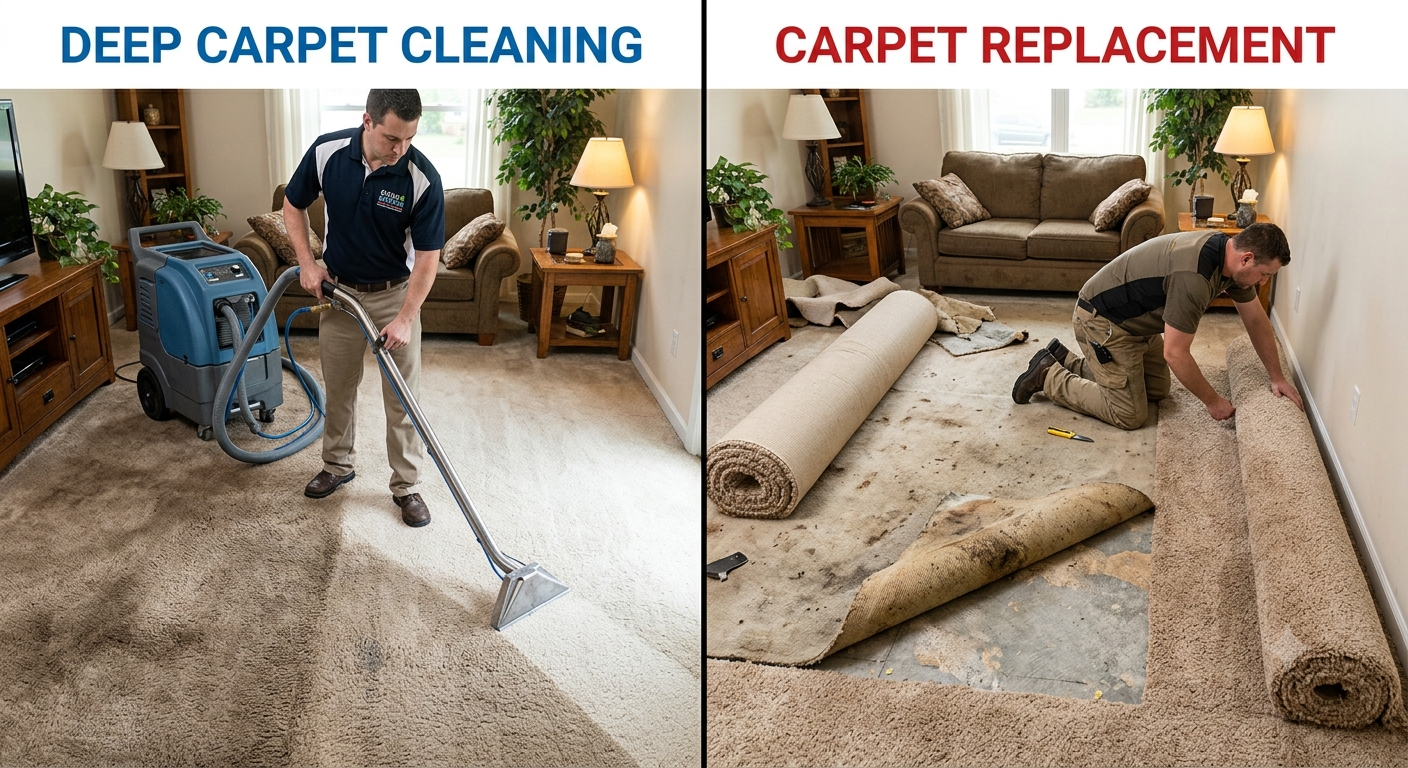
The decision between deep cleaning and replacement is primarily a question of fibre condition and contamination depth. A carpet that looks bad but has intact fibres, sound backing, and contamination sitting in the pile rather than the underlay is often suitable for professional cleaning, depending on the overall condition of the fibres and backing. A carpet with significant fibre damage, backing issues, or contamination that cannot be safely removed may require replacement rather than further cleaning.
Age is a useful reference point but not the deciding factor. A well-maintained carpet in a low-traffic room can remain in excellent condition well beyond the typical 10-year lifespan, while a carpet in a high-traffic rental property may show signs of backing failure and fibre damage within 5 years. Our
carpet dry cleaning service is particularly useful for assessing carpets in humid conditions where moisture-sensitive fibres or backing materials may require a lower-moisture cleaning approach, allowing the condition of the carpet to be evaluated and treated without introducing additional moisture into a carpet that may already be holding more than it should.
Frequently Asked Questions
Does living near the coast in Wollongong mean carpets need to be cleaned more often than the standard recommendation?
Coastal conditions can influence cleaning frequency, especially in homes affected by higher humidity, moisture, pets, or heavy foot traffic. General carpet cleaning recommendations are based on average household conditions and may need adjustment depending on local climate, indoor humidity, and how the carpet is used, where carpets dry quickly after cleaning, humidity does not accelerate mould growth inside the pile, and salt air is not a factor in fibre degradation. The cost difference between 6-monthly and annual cleaning is far smaller than the cost of replacing a carpet that has deteriorated prematurely due to insufficient cleaning frequency in a humid coastal environment.
Can professional carpet cleaning remove mould from carpet in a Wollongong home?
Professional cleaning may help with some early-stage mould-related issues, but carpets with extensive mould growth may require specialist assessment or replacement. Once mould establishes itself in the backing layer, extraction cleaning above the carpet cannot reliably reach or remove it, and in that situation the backing and underlay typically need to be replaced rather than cleaned. Leaving mould untreated until it is visible until the carpet smells strongly after cleaning significantly increases the chance that the contamination has reached the backing layer where cleaning alone will not be sufficient.
My carpet still looks clean but my family has been getting more allergy symptoms — does the carpet need cleaning?
A carpet can appear clean on the surface while holding a significant allergen load in the lower pile and backing layers that is invisible from above. Dust mites, their faecal particles, pet dander, pollen, and mould spores all accumulate in the deeper layers of the carpet where regular vacuuming has limited effectiveness. Professional hot water extraction physically removes the mite bodies, mite faecal matter, and other allergens from the deep pile layers rather than just redistributing them, and for allergy-affected households this can be a useful step for reducing the amount of trapped allergens and improving overall carpet cleanliness.
Is it worth getting carpets professionally cleaned before deciding to replace them?
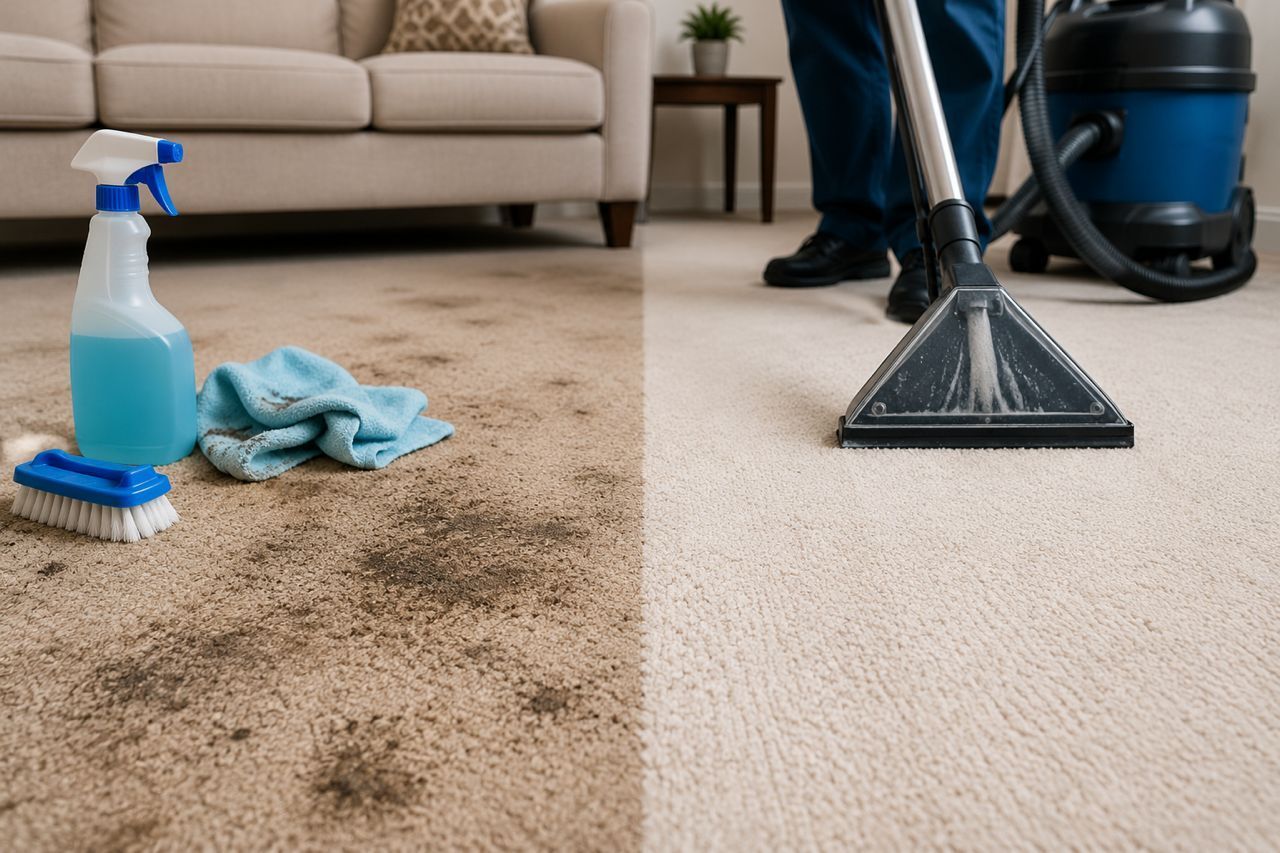
In most cases yes, and the main reason is that carpets which look like they need replacing often look dramatically different after professional cleaning. Traffic lane darkening, dull colour, matted appearance, and even some long-standing stains can all be significantly improved by professional hot water extraction in a way that consumer cleaning products and domestic machines cannot replicate. For Wollongong homeowners uncertain about whether their carpet is at the cleaning or replacement stage, a professional assessment before booking either service is the most practical starting point.
How long does carpet typically last in a Wollongong home compared to an inland NSW home?
Carpet lifespan in Wollongong can be affected by coastal conditions such as humidity and salt exposure, although maintenance, carpet quality, and usage remain major factors. The combination of coastal humidity, salt air, and the more frequent cleaning recommended for coastal conditions all affect how the carpet ages over its lifetime. Regular professional cleaning at appropriate intervals remains the single most effective thing a homeowner can do to extend carpet life in a coastal environment.
Contact Wollongong Carpet Cleaning Pro
If your carpet has not been professionally cleaned in the last 6 to 12 months, or if it is showing any of the signs covered in this guide, the right next step is a professional clean rather than waiting to see if the problem gets better on its own.
Wollongong Carpet Cleaning provides professional carpet cleaning across the Illawarra region with eco-friendly products, same-day availability, and a best price guarantee on every job.
Contact us today for a free quote.