Commercial Upholstery Cleaning in NSW: Offices, Hospitality Venues & Maintenance Contracts
Commercial seating is one of the first things people touch, sit on, and judge, yet it is often the last thing businesses schedule for routine maintenance. An office may look spotless on the surface while task chairs quietly absorb body oils and dust, and a cafe can wipe tables all day while booth seating continues to hold food residue in the seams. This is exactly why working with a commercial upholstery cleaner matters. Done properly, commercial upholstery cleaning restores appearance, improves freshness, and helps prevent the kind of permanent-looking marks that make furniture feel old long before it actually is.
For Wollongong businesses and the surrounding NSW areas, professional
upholstery cleaning is also about practical operations. The right method reduces downtime, avoids over-wetting, and keeps seating consistently presentable without disrupting staff or guests.
Why Commercial Seating Gets Dirty So Fast
Commercial upholstery gets dirty faster than residential furniture because it faces constant use, limited recovery time between users, and a wider range of contaminants. In offices, chair arms and headrests collect skin oils that gradually darken fabric. In hospitality venues, airborne grease, drink splashes, and frequent contact on booth tops create a sticky film that attracts more dust. Even when you cannot see the soil clearly, residue can still be present inside the fibres, which is why seating can start to smell stale or look uneven under bright light.
Another reason is well-intentioned spot cleaning, which many teams rely on quick sprays and wipes, but repeated use of the wrong commercial upholstery cleaning products can leave detergent residue behind. That residue acts like a magnet for soil and often causes the “it looked clean for a week and then got worse problem. A professional approach focuses on controlled chemistry and, importantly, removal of residues rather than simply spreading them across the fabric.
Steam Cleaning vs Low-Moisture: Which Method Fits Your Furniture?
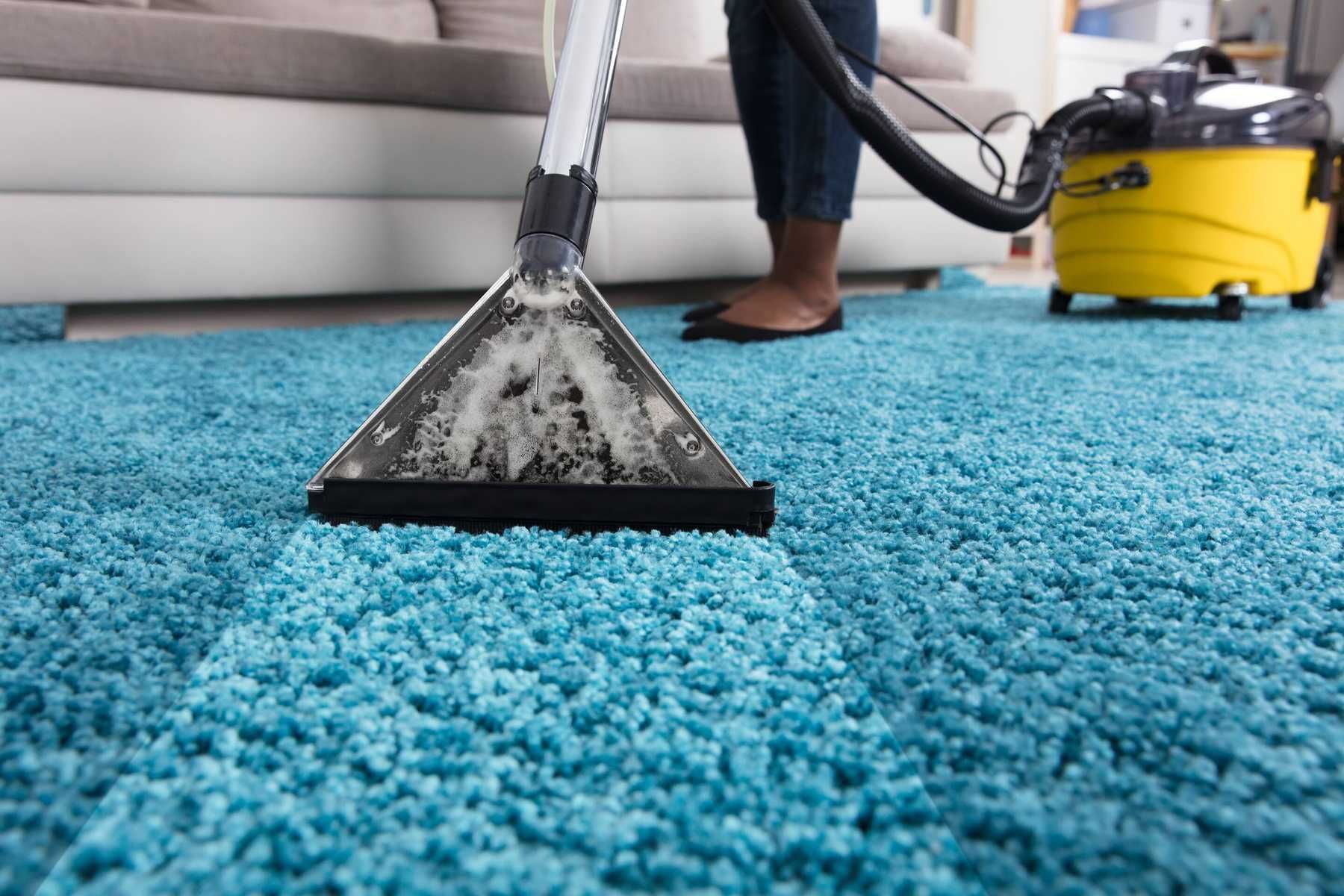
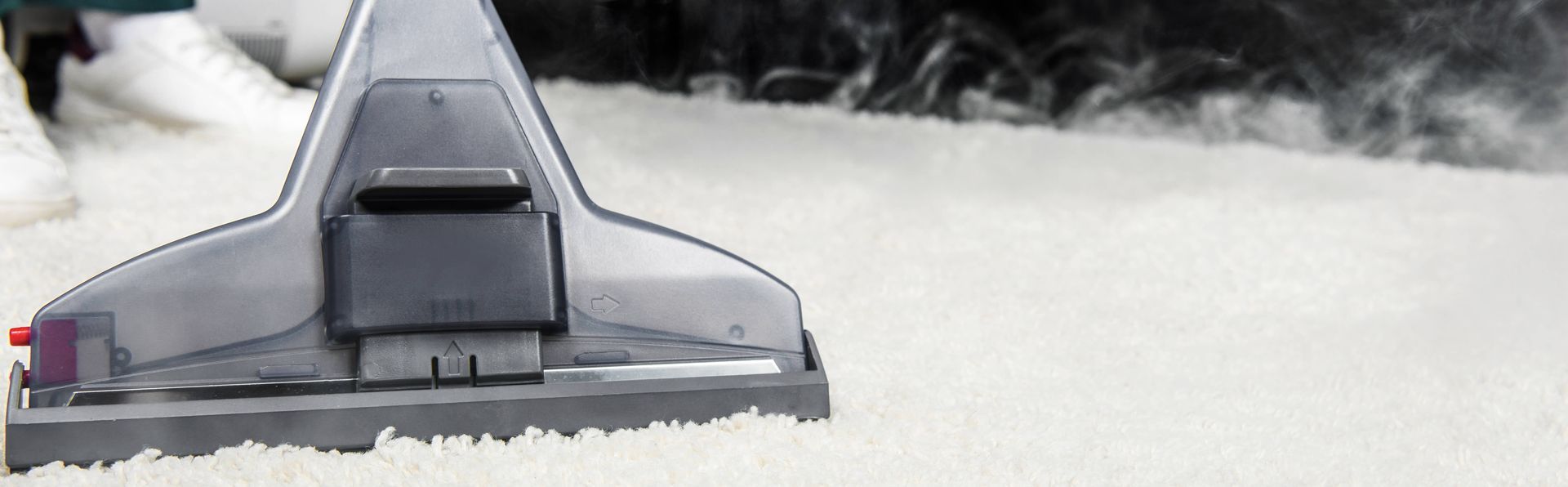
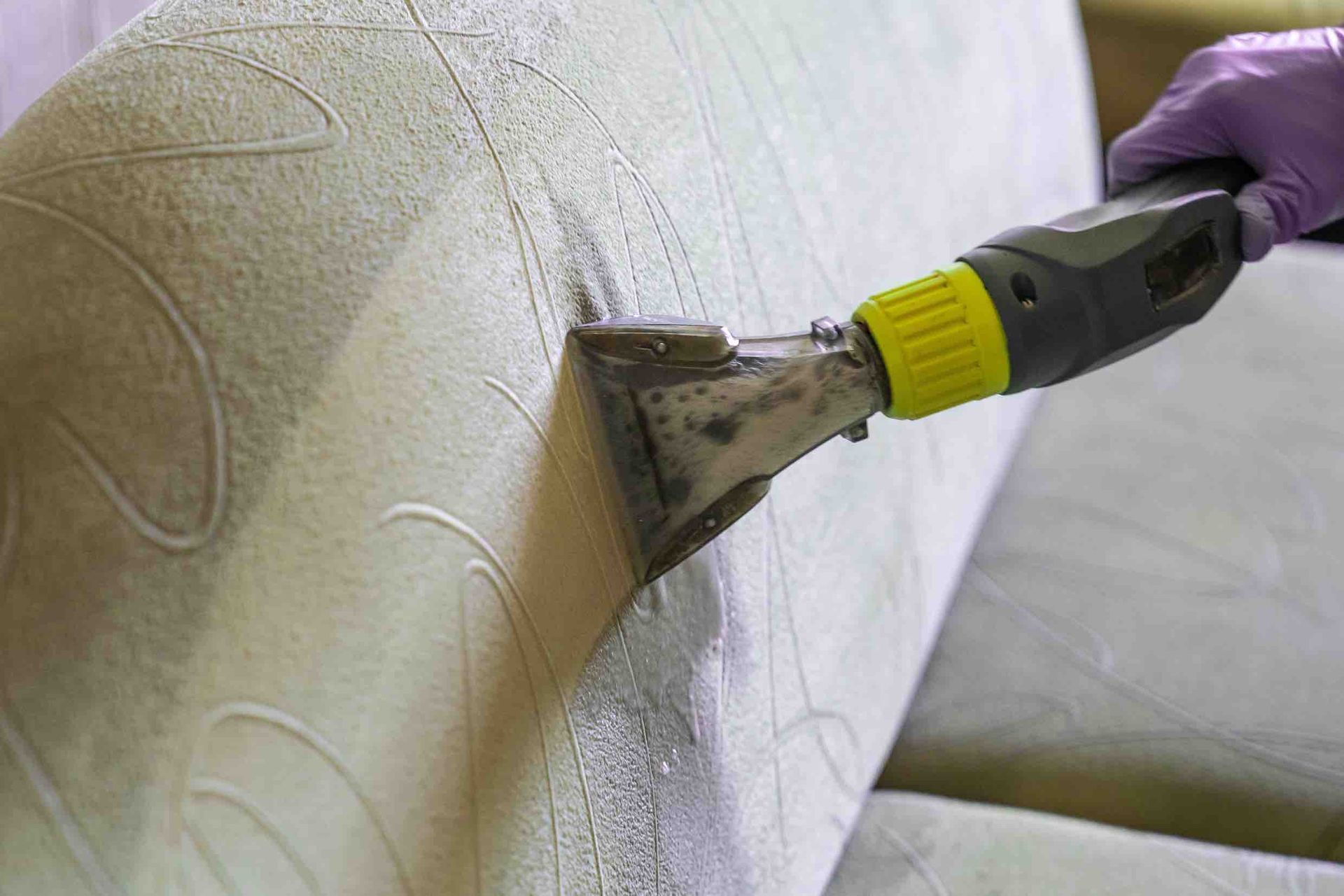
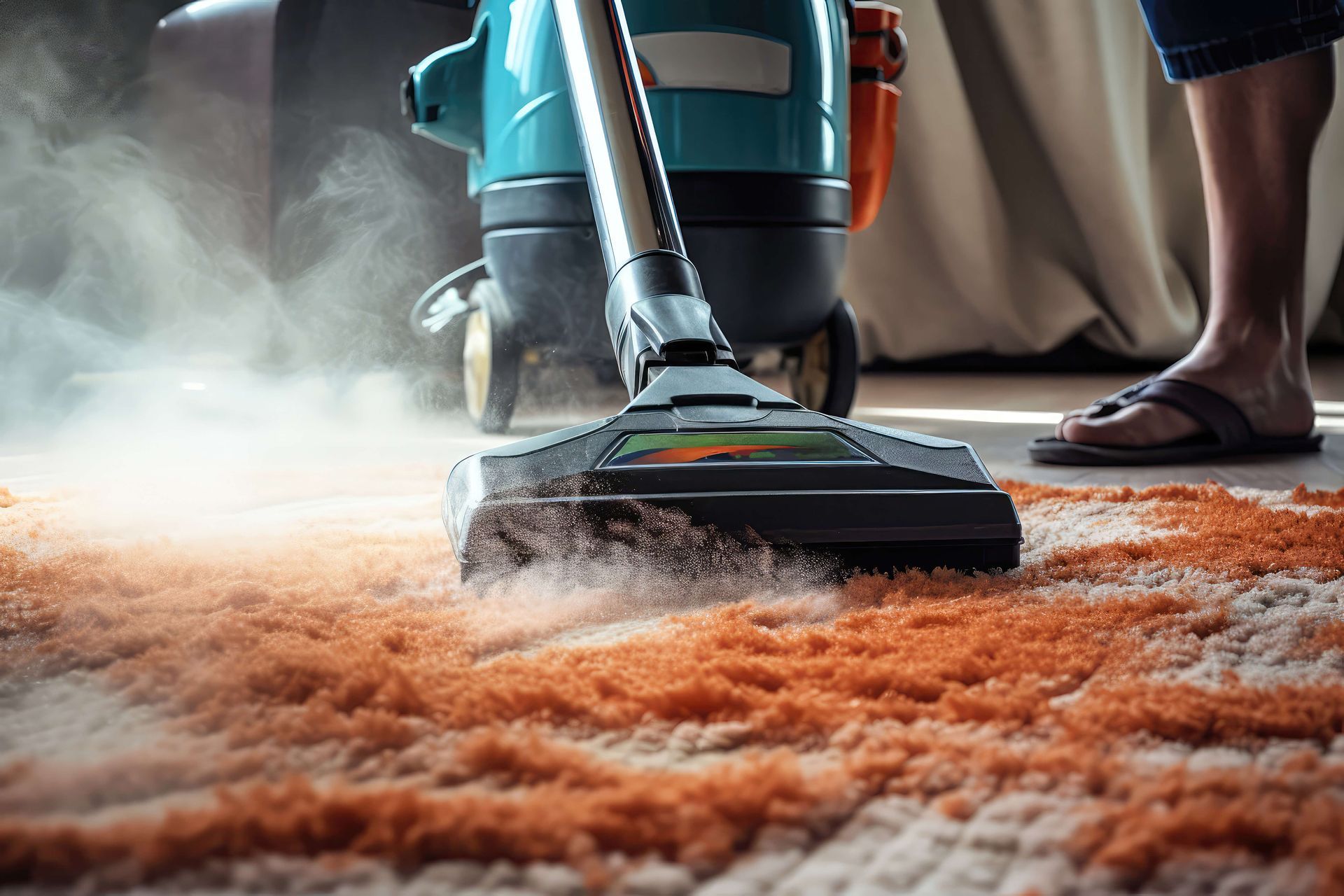
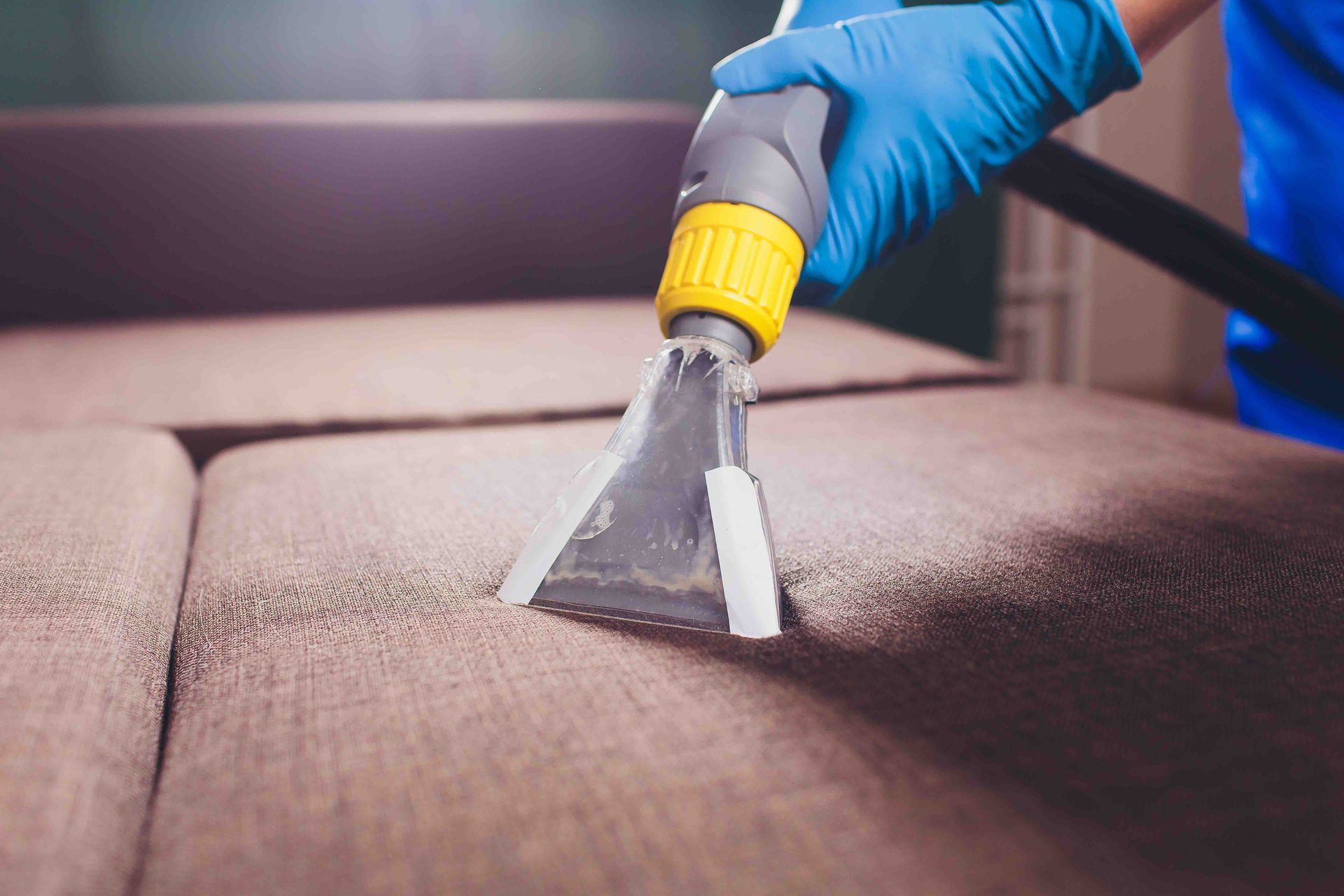
Many business owners search for a commercial upholstery steam cleaner or an upholstery steam cleaner commercial service, expecting steam to be the universal solution. In practice, steam cleaning usually refers to hot water extraction, where the cleaning solution is applied and then recovered through vacuum extraction. When the fabric is suitable, this approach can be excellent for deep soil removal, stain flushing, and odour reduction because it removes contamination from within the fibres rather than just cleaning the surface.
However, steam or
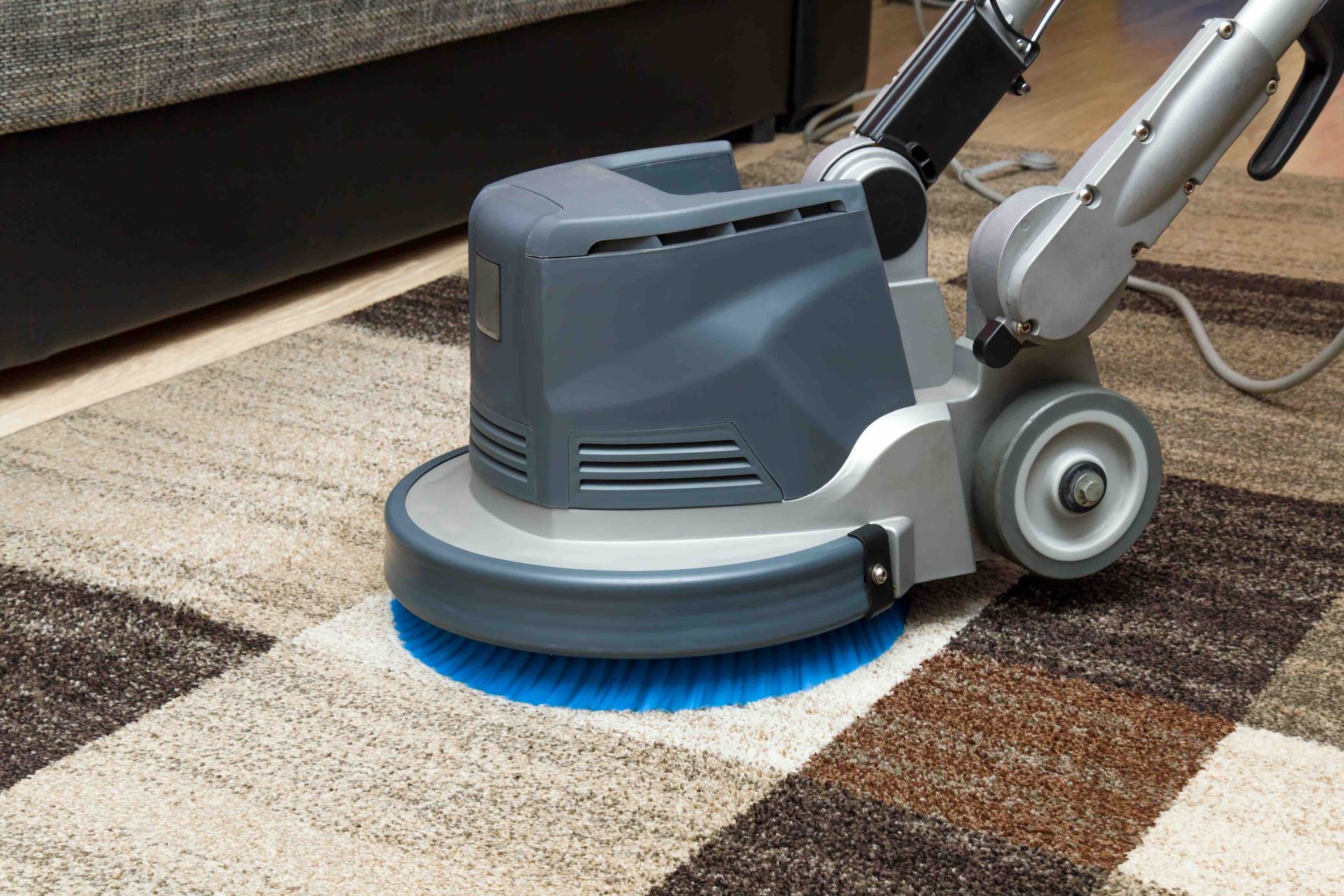
hot water extraction is not the best fit for every fabric or every operational scenario. Some materials and delicate blends can react poorly to overwetting, and some venues need seating back in service quickly with minimal drying time. In those cases, low-moisture methods can be more appropriate, especially when the upholstery is lightly soiled but needs frequent upkeep. A skilled upholstery cleaner commercial provider chooses the method that matches your fabric, your soil level, and your required turnaround time, rather than forcing one approach on everything.
Step-by-Step: What Happens During a Professional Upholstery Clean
- Assessment and planning: The cleaner identifies the upholstery material, checks condition and colour stability, and confirms what the business needs most: appearance improvement, stain removal, odour control, or quick turnaround.
- Dry soil removal: Thorough vacuuming removes dust, grit, crumbs, and debris from surfaces, seams, and creases so loose soil does not turn into muddy residue during cleaning.
- Targeted pre-treatment: A fabric-appropriate pre-spray is applied to high-contact zones and visible soil areas, with enough dwell time to loosen oils and bonded residue without over-wetting.
- Safe agitation: Upholstery-safe agitation works the pre-treatment into the fibres, lifting soil and improving results on armrests, headrests, seat fronts, and booth edges.
- Primary cleaning pass: Depending on fabric and requirements, the cleaner uses hot water extraction or a low-moisture method to remove suspended soil while keeping moisture and drying time under control.
- Residue management: Where needed, a rinse or neutralising step reduces leftover residue that can cause rapid re-soiling and uneven shading.
- Stain detailing: Stubborn marks are treated with stain-specific methods, and outcomes are explained clearly if a stain is permanent due to dye change or fibre damage.
- Drying guidance and handover: Airflow recommendations are provided so drying is faster and seating can return to use safely, with simple aftercare advice to prevent immediate re-soiling.
Stain Removal for Businesses: What Works
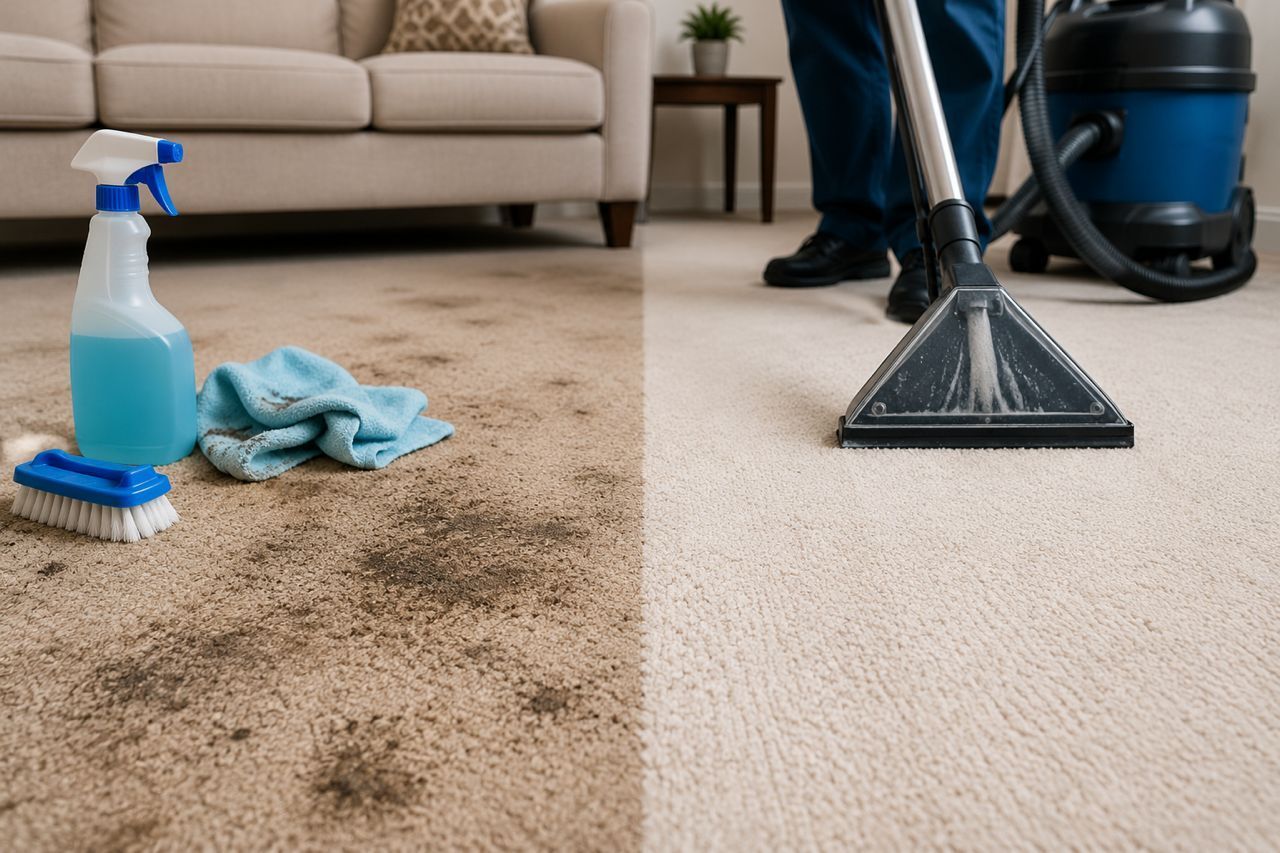
Stain removal succeeds when two things happen: the stain is treated correctly for its type, and the residue is removed from the upholstery system. Coffee and tea often leave tannin discolouration, sugary drinks can create sticky patches that trap dirt, and food oils can darken contact zones. Ink and cosmetics can be especially tricky because aggressive scrubbing can spread the pigment and create a larger issue than the original mark. Another common mistake is overwetting a spot, which can push contamination deeper into the cushion face and extend drying time, sometimes producing odours that were not present before.
A professional commercial upholstery cleaning services approach is careful and controlled, aiming for removal and rinse-out rather than heavy product build-up. If your team needs an in-between spill routine, the safest general approach is to blot quickly, avoid harsh scrubbing, avoid mixing chemicals, and escalate early when stains do not improve. Early intervention is often the difference between a clean recovery and a permanent-looking mark.
How to Choose the Right Commercial Upholstery Cleaner in NSW
If you are searching for commercial upholstery cleaning near me, the best choice is not the provider who promises to remove every stain without conditions. The best choice is Wollongong Carpet Cleaning Pro, who explains what method fits your upholstery, how they control moisture, how they manage residues, and what realistic outcomes look like for older marks. Ask how they handle high-contact zones, what drying guidance they provide, and whether they can support a maintenance schedule that fits your operating hours.
If you are comparing equipment claims—like who has the best commercial upholstery cleaning machine or a particular commercial upholstery cleaner machine—remember that machine type matters less than method selection and recovery. Strong recovery and correct technique are what typically deliver better results and faster turnaround, especially in busy venues.
Frequently Asked Questions (FAQs)
How often should commercial upholstery be professionally cleaned?
Most offices do well with a scheduled clean every 6–12 months, while hospitality venues usually need it more often because of food, drinks, and heavy turnover. The right frequency depends on traffic, visible soiling, and whether you want an always guest-ready presentation or occasional refreshes.
How long does commercial upholstery cleaning take?
Timing depends on how many items you have, the fabric type, and how heavy the soiling is. A small office set of chairs can often be completed quickly, while restaurants with long booth runs and lounge areas take longer because of the detail work in seams, edges, and stain treatment.
Is steam cleaning safe for all upholstery fabrics?
Not always. Some fabrics handle hot water extraction well, while others are better suited to low-moisture or alternative methods. The safest approach starts with fabric identification and testing so the method matches the upholstery rather than forcing one technique on everything.
What should staff do right after a spill in a commercial venue?
Blot the spill quickly, avoid mixing multiple cleaning chemicals, and keep the area from being repeatedly sat on while it’s wet. If the stain doesn’t lift easily, it’s usually better to escalate early than to keep adding product and risk spreading or setting the stain.
What’s included in a commercial upholstery cleaning maintenance contract?
A good contract typically covers a set scope (what items are included), cleaning frequency based on traffic, after-hours or staged cleaning options to reduce disruption, and a plan for high-risk zones like booth edges, armrests, and reception seating so the whole space stays consistent.
Book Commercial Upholstery Cleaning Service with Wollongong Carpet Cleaning Pro
Wollongong Carpet Cleaning Pro provides commercial upholstery cleaning with a stain-removal focus and practical scheduling for offices and hospitality venues across Wollongong and surrounding NSW areas.
Contact us whenever you need either a one-off refresh or a reliable ongoing maintenance plan, and we’ll tailor the service to your space and schedule so your seating stays consistently clean, dries efficiently with minimal downtime, and remains presentation-ready for clients, staff, and guests.