Emergency Carpet Stain Removal in NSW: Common Stains, Safe Chemicals & Spot-Cleaning Steps
When a spill happens on carpet, the first few minutes decide whether you are dealing with a quick cleanup or a stain that keeps coming back after it dries. Liquid that sits too long will travel deeper into the pile and sometimes into the backing, which makes removal harder and increases the chance of odour or discolouration. The best emergency response is calm, controlled action that focuses on lifting the spill out of the carpet, rather than pushing it around with scrubbing or soaking.
This guide explains the safest spot-cleaning steps for emergency situations, the most common stains people deal with in homes and workplaces, and which chemicals are generally safer when used correctly. It also explains why some stains reappear even after you think you removed them, and when professional help becomes the smarter option. If you are searching for
carpet stain removal
support in NSW, this will help you protect your carpet while improving the odds of a clean result.
What Matters More Than The Product You Choose
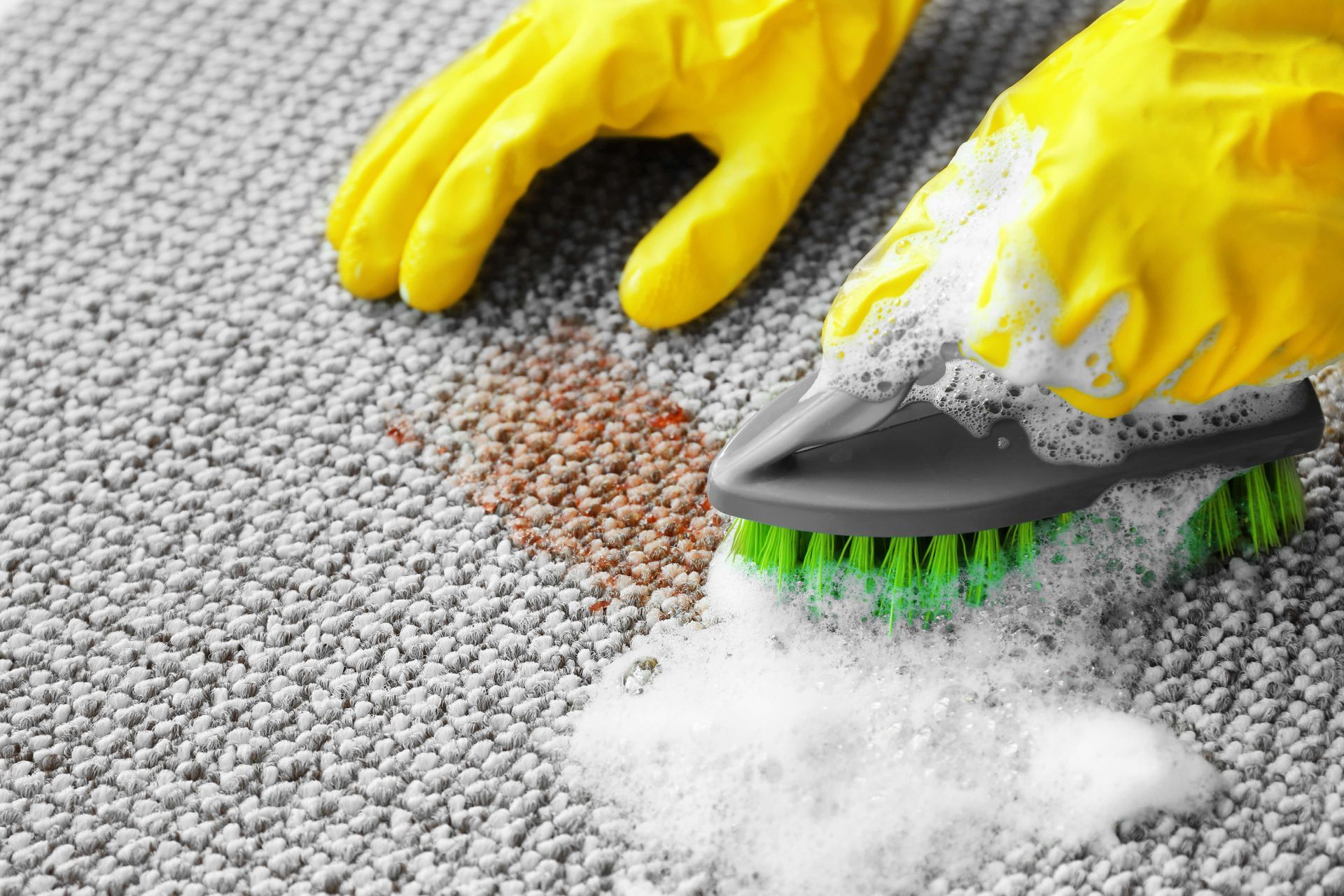
Most carpet damage during stain cleanup comes from technique rather than the stain itself. Rubbing aggressively forces liquid deeper into the fibres and spreads the stain outward, which enlarges the problem and can roughen the pile so the patch looks different even if the colour improves. Pouring large amounts of water or cleaner is also risky because it can push contamination into the underlay and create a longer drying time, which often leads to a musty smell and can increase the chance of wick-back.
The safest habit is blotting with pressure, using minimal moisture, and rinsing properly when you do use a cleaner. Residue left behind is one of the biggest reasons a carpet looks dirty again quickly, because residue acts like a magnet for soil and creates a darker patch after normal foot traffic returns.
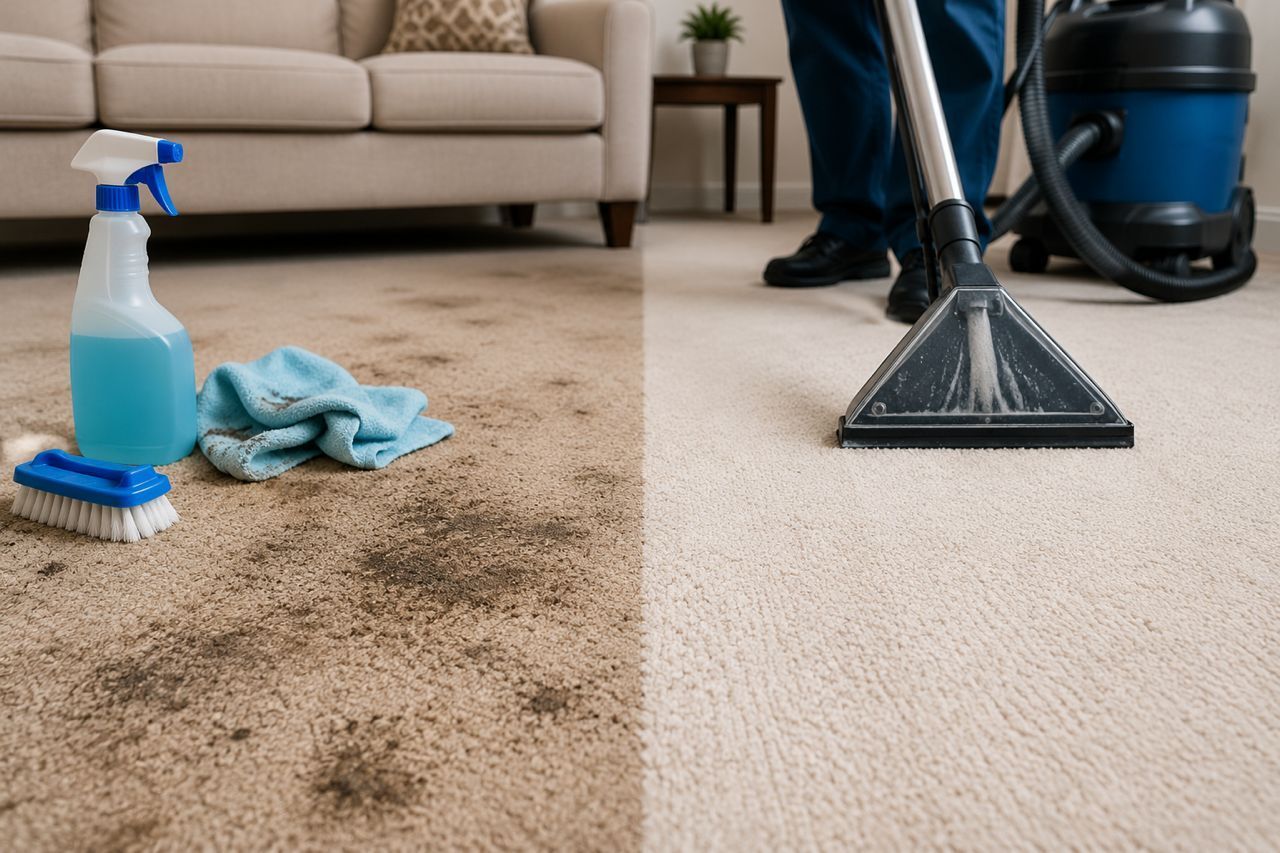
Your Emergency Stain Kit
This kit is useful because it keeps you from reaching for harsh chemicals or mixing products under pressure. It also encourages the correct approach, which is controlled cleaning and proper drying rather than aggressive scrubbing.
- White towels or plain paper towels, because colour can transfer from dyed cloths onto damp carpet fibres.
- A spoon or dull scraper, because solids should be lifted out gently without grinding them into the pile.
- A small spray bottle for clean water, because misting helps control moisture better than pouring.
- Mild, clear dish soap, because it breaks down oils and general grime without heavy detergent buildup.
- A soft brush, because gentle agitation can help on textured carpet without damaging fibres.
- Baking soda, because it can help absorb moisture and reduce odour after cleaning, once the area is mostly dry.
- A small fan, because faster drying reduces odour risk and helps prevent stains returning as moisture rises.
Step-By-Step: Safe Spot-Cleaning Steps To Follow First
These steps work because they remove the spill while limiting moisture, which protects the carpet and reduces the risk of odours and stain return. If you follow these steps and the stain improves but does not disappear fully, it is usually better to let it dry once before deciding on the next move.
Step 1: Lift solids carefully. Use a spoon to remove solids without smearing them deeper into the fibres.
Step 2: Blot liquids immediately. Press down firmly with a towel and keep switching to a clean section.
Step 3: Use cool water first. Lightly mist a cloth and blot from the outside edge toward the centre.
Step 4: Apply a mild soap mix if needed. Use a few drops of dish soap in cool water and blot gently.
Step 5: Rinse to remove residue. Blot with clean water so soap does not remain in the fibres.
Step 6: Extract moisture and dry quickly. Stand on dry towels to pull water out, then use airflow to finish.
Step 7:
Stop if colour transfers.
If dye shows on the towel, stop immediately and seek professional help.
Common Stains And The Safest Way To Handle
Coffee and tea stains often leave a yellow-brown shadow because of tannins, and they spread quickly through carpet fibres if they are not blotted early. Contact us so we can start with the general steps, then repeat the mild soap stage once if needed, and rinse thoroughly because residue is what often causes a darker patch later. If a light shadow remains after drying, it is usually safer to avoid repeated heavy wetting and consider professional treatment, especially if the carpet is wool or the stain is old.
Red wine and coloured drinks should be treated with fast blotting and controlled cleaning because the pigment spreads. Keep your moisture minimal, rinse properly, and dry fast because slow drying increases the chance of a larger discoloured patch. If the stain has been there for a while, DIY re-wetting often spreads it, so professional extraction becomes a better option.
Grease and oily food stains respond well to dish soap because dish soap is designed to break down oil. Apply your mild soap mix lightly, blot carefully, and rinse thoroughly because oil plus detergent residue can attract soil quickly. Avoid strong degreasers because they can damage fibres and leave sticky patches that look darker over time.
Blood and protein stains should be treated with cold water because heat can set protein into fibres. Blot gently and avoid scrubbing because it spreads the stain and roughens the pile. If the stain is older, professional stain treatment is often safer than repeated home attempts.
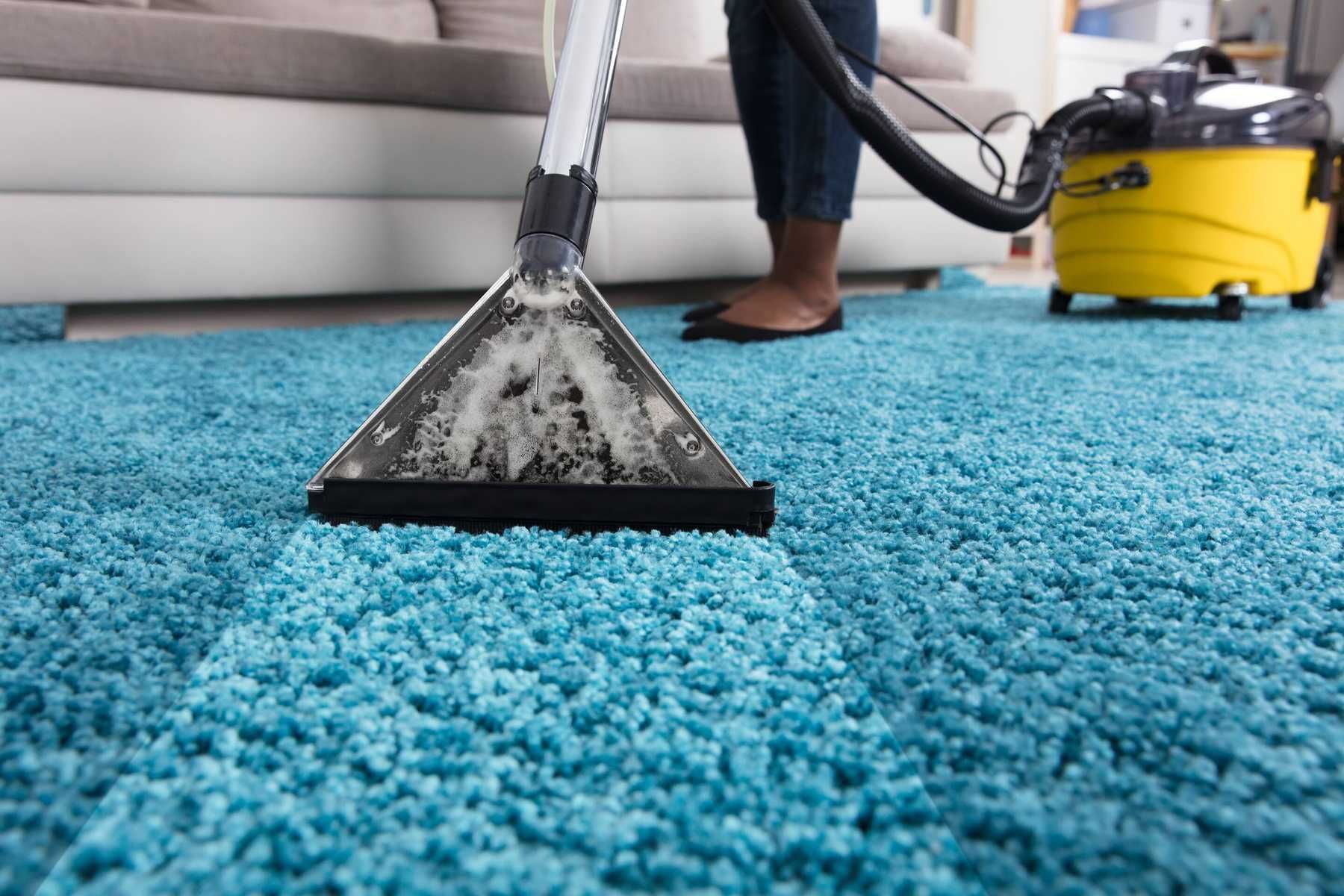
Pet stains are usually deeper than they look, and they often involve both staining and odour beneath the surface. Blot as much as possible, rinse lightly, then blot again, because the goal is to remove urine salts rather than cover the smell with fragrance. If odour returns after drying, it often means the contamination reached deeper layers, and that is when professional hot water extraction makes a difference because it can flush and recover material from below the surface.
Old stains are difficult because they often include residue from past cleaners. If you are trying to remove a stain that has been treated multiple times, more product usually makes it worse by adding residue and moisture that spreads the mark. At this stage, professional
carpet stain cleaning
is often the safer path because the process focuses on controlled chemistry and recovery, rather than repeated soaking.
Safe Chemical Rules (What To Use Carefully And What To Avoid)
The safest principle is simple: use the mildest method that works, remove the residue fully, and dry the area fast.
- Use mild dish soap and water as the first “real” cleaner because it is effective for many stains and rinses out more easily.
- Use oxygen-based or peroxide-style products cautiously because they can lighten the colour on some carpets, so patch testing is essential.
- Avoid bleach on carpet because it can permanently remove colour and weaken fibres, even if the stain looks lighter at first.
- Never mix household chemicals because dangerous reactions can happen, and residues can still react even after a quick rinse.
- Avoid repeated heavy wetting because it increases the chance of wick-back, odour, and a wider stain footprint.
When to Call a Professional in an Emergency
You should stop DIY and call a professional when the stained area is large, when the carpet dye transfers to your towel, or when the stain has been treated with multiple products already. You should also call when the stain is pet-related, and odour persists after drying, because deeper flushing and recovery are usually required.
Professional carpet Cleaning is also the smarter choice when the stain affects a rug, because rug cleaning often requires a different approach based on fibre type and dye stability. If the stain is on a couch or dining chairs,
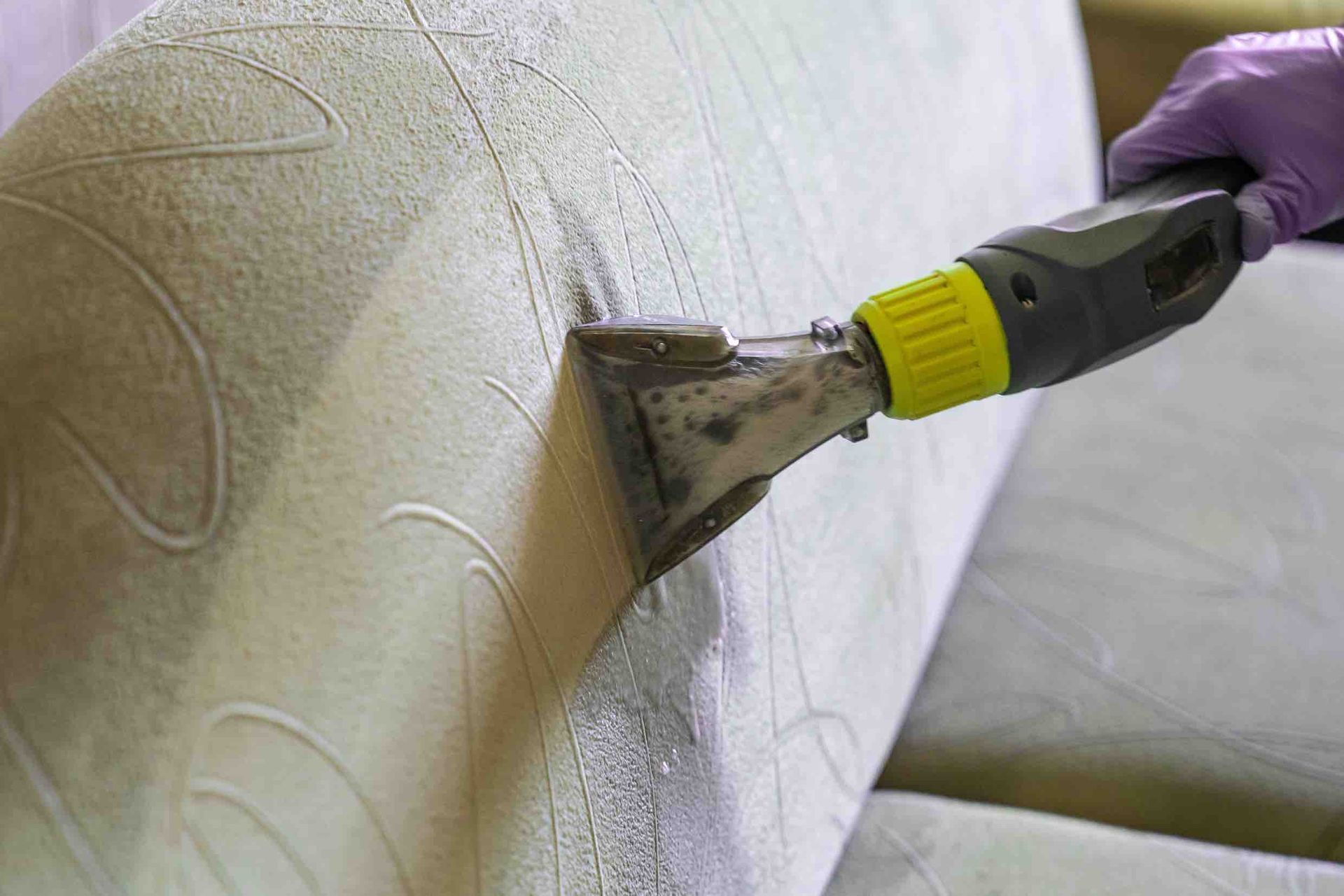
upholstery cleaning is the correct service because upholstery responds differently than carpet pile and needs specialised tools.
Frequently Asked Questions (FAQs)
What’s the first thing I should do when something spills on the carpet?
Start by lifting any solids and blotting the liquid with firm pressure, because rubbing spreads the stain and pushes it deeper into the fibres, which makes removal harder and can damage the carpet pile.
How do I remove coffee stains from carpet without making it worse?
Blot immediately, use a mild dish soap and water mix in small amounts, rinse with clean water to remove residue, and dry quickly with towels and airflow, because leftover soap and slow drying often cause the stain to return.
Why do carpet stains come back after they dry?
Stains usually return because either cleaning residue attracts dirt and darkens again, or moisture pulls dissolved contamination upward as it dries, which is why proper rinsing, moisture removal, and fast drying are essential steps.
When should I stop DIY and call a professional for carpet stain removal?
Call a professional when the stain is large, keeps returning, involves pet accidents with lingering odour, shows colour transfer on your towel, or has already been treated with multiple products, because repeated DIY attempts can spread the stain, set it, or damage the fibres.
Get Emergency Stain Help From Wollongong Carpet Cleaning Pro
If you have a fresh stain, the steps in this guide will give you the best chance of preventing a permanent mark without damaging the carpet. If the stain is set-in, spreading, pet-related, or returning after drying, professional help will usually protect the carpet and save time compared with repeated DIY attempts.
Wollongong Carpet Cleaning Pro can assess the stain, use safe chemistry, and apply the right recovery method so residues are removed properly and the result stays clean, while also guiding you on the next steps if deeper cleaning is needed.