Beach House Carpets: Dealing with Sand, Salt, and Humidity
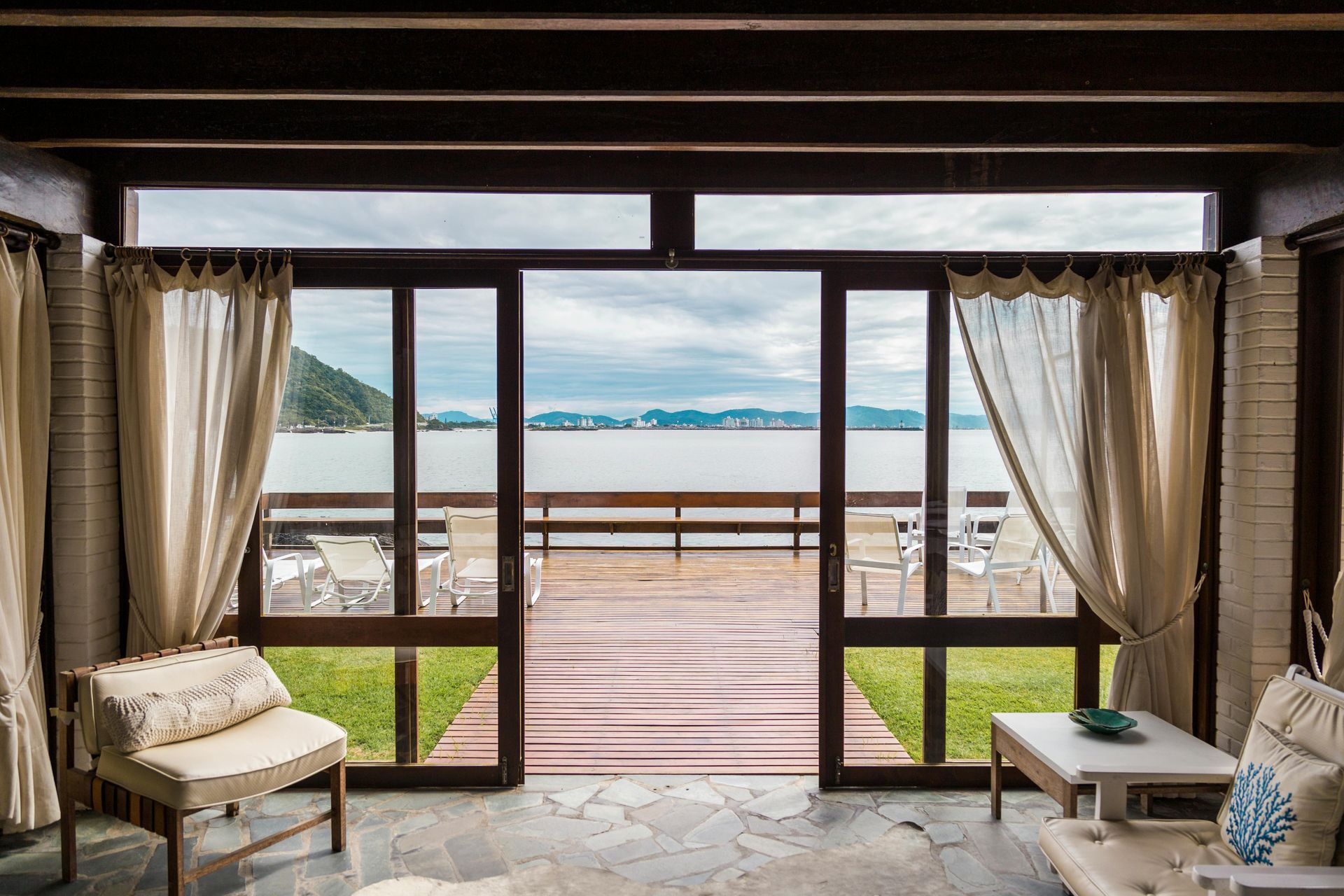
Beach houses offer enviable coastal lifestyles but create unique challenges for carpet maintenance. The combination of sand tracked indoors, salt-laden air infiltrating from the ocean, and elevated humidity levels creates conditions that rapidly degrade carpets if not properly managed. Wollongong's coastal properties experience these challenges acutely, with many homes located within sight and sound of the sea. Understanding how beach environments affect carpets and implementing targeted maintenance strategies helps you preserve carpet investment while enjoying seaside living without the frustration of constantly battling sand, stains, and premature wear.
Understanding Beach Environment Carpet Challenges
Coastal properties face environmental conditions fundamentally different from inland homes. These unique factors combine to create carpet maintenance demands that exceed typical residential situations by substantial margins.
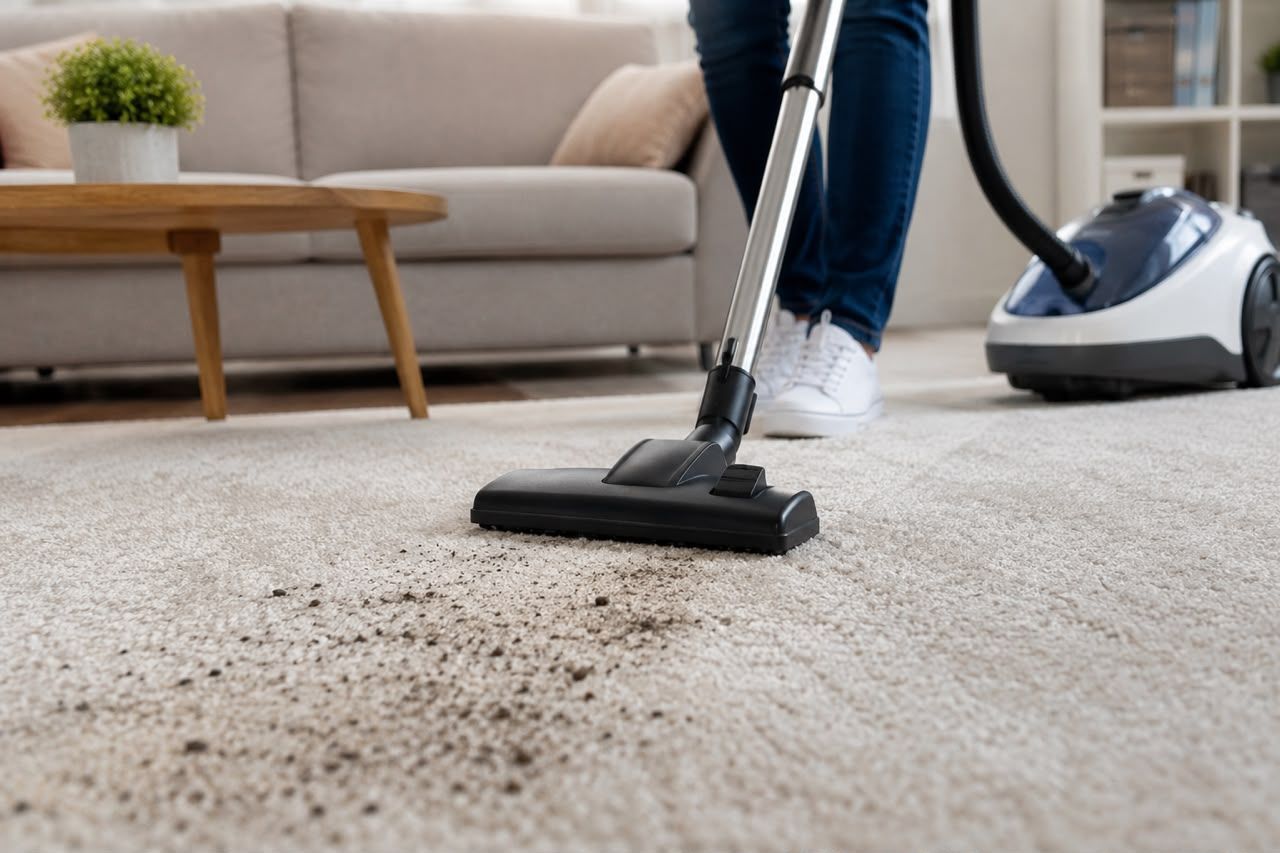
Sand infiltration represents the most obvious beach house carpet challenge. Sand particles enter homes on feet, clothing, beach bags, and equipment, then distribute throughout living spaces. Unlike typical household dirt that is relatively fine, sand consists of hard silica particles that act like abrasive grit on carpet fibres. Each footstep on sand-laden carpet essentially sandpapers the fibres, accelerating wear dramatically. High-traffic areas near entries can show visible wear paths within months rather than years, as concentrated sand exposure destroys fibre integrity faster than normal use.
Salt exposure from ocean air permeates coastal homes. Salt particles suspended in sea breezes enter through open windows and doors, settling on all interior surfaces, including carpets. Salt is hygroscopic, meaning it attracts and absorbs moisture from humid air. This characteristic keeps carpet fibres damp even when you cannot feel obvious moisture, creating conditions that promote mould growth and accelerate fibre deterioration. Salt also acts as a bleaching agent over time, causing colour fading that leaves carpets looking dull and aged prematurely.
Humidity levels remain elevated in coastal properties. Wollongong's oceanfront homes experience humidity consistently higher than even humid inland areas, often maintaining 70 to 90 per cent relative humidity. This moisture saturates carpet fibres, backing materials, and underlay, creating conditions ideal for mould, mildew, and bacterial growth. The constant dampness prevents carpets from ever truly drying out completely, meaning that even minor spills or wet footprints contribute to progressive moisture accumulation rather than drying and dissipating as they would in drier environments.
Temperature fluctuations between indoor and outdoor spaces create condensation. Cool air-conditioned interiors meeting warm, humid air from outside cause moisture condensation on cool surfaces. While less obvious on carpets than on windows or walls, this condensation deposits moisture into carpet fibres and backing materials. The cyclic wetting and partial drying stresses carpet construction and promotes microbial growth that damages both appearance and structural integrity.
Marine organisms and pollutants add another layer. Coastal air contains not just salt but also biological materials, including algae spores, bacteria, and organic particles from marine environments. These materials settle into carpets where high humidity provides the moisture they need to establish and grow. The result is accelerated soiling, odour development, and potential health concerns from microbial colonisation that would not occur in typical inland environments.
Managing Sand, Salt, and Humidity in Beach House Carpets
Beach house carpets face a triple threat from sand abrasion, salt contamination, and constant moisture that requires systematic management strategies. Preventing sand entry through comprehensive barrier systems forms the essential first defence, including commercial-grade walk-off mats at least 2 metres long both inside and outside all entries, dedicated sand removal areas with benches and brushes near doors, and enforced no-shoes policies that eliminate the primary transport mechanism. Daily vacuuming in high-traffic areas using strong suction removes sand before it embeds deeply into the pile and backing, where it causes maximum fibre damage, while strategic furniture placement channels traffic across hard-floored areas before reaching carpets.
Salt infiltration creates progressive damage through moisture attraction and fibre deterioration that demands proactive intervention. Managing air circulation by closing windows during onshore winds and storms reduces salt-laden air entry, while monthly moisture wiping using spray bottles and wet-dry vacuums removes surface salt deposits before they penetrate fibres. Professional cleaning must include thorough freshwater rinsing with multiple extraction passes to flush embedded salt from deep within carpet construction, as inadequate rinsing leaves residues that attract moisture and accelerate resoiling. Applying fluorochemical protective treatments after cleaning creates barriers, reducing salt penetration rates, with protection lasting six to twelve months before requiring renewal.
Humidity control represents the third critical component, as coastal moisture levels of 70 to 90 percent keep carpets perpetually damp and promote mould growth. Running air conditioning consistently provides primary dehumidification by condensing moisture that drains outside, even when temperature control seems unnecessary, while supplemental dehumidifiers in bedrooms and poorly ventilated areas maintain a target humidity of 50 to 60 per cent. Strategic ventilation during low-humidity periods with offshore winds removes indoor moisture sources without admitting excessive outdoor dampness, and quality moisture barriers beneath carpets prevent ground moisture from wicking upward through concrete slabs. These combined approaches to sand management, salt control, and humidity reduction protect beach house carpet investments while maintaining comfortable living spaces despite harsh coastal conditions.
How to Select the Right Carpet Materials
Not all carpet types suit beach house environments equally. Understanding which materials and constructions withstand coastal conditions helps you choose carpets that provide satisfactory service life despite challenging exposure.
Solution-dyed synthetic fibres offer superior moisture resistance. Nylon and polypropylene carpets, where colour is integral to fibre construction rather than applied as surface dyes, resist moisture damage effectively. These materials do not support mould growth as readily as natural fibres, maintain colour despite moisture exposure, and clean more effectively than alternatives. While not immune to beach house challenges, solution-dyed synthetics provide the best performance in coastal environments. Prioritise these materials when selecting carpets for any beach property rooms.
Low-pile and dense constructions minimise sand trapping. Thick, luxurious, high-pile carpets that feel wonderful underfoot create havens for sand accumulation. Sand falls deep into a thick pile, where it resists vacuuming and maximises fibre abrasion. Low-pile carpets with dense construction prevent sand from penetrating deeply, keeping particles near the surface where vacuuming removes them effectively. While aesthetic preferences may favour plush carpets, practical considerations in beach houses dictate choosing lower, denser piles that perform better under harsh conditions.
Loop pile outperforms cut pile for durability. Berber and other loop pile carpets resist crushing and matting better than cut pile styles. The continuous loops are less vulnerable to individual fibre damage than cut ends, meaning sand abrasion takes longer to create visible wear. Loop pile also hides sand better between cleanings, as the textured surface does not show soiling as readily as smooth cut pile. For beach houses prioritising durability over softness, loop pile provides superior longevity.
Carpet tiles offer flexibility and easy replacement. Modular carpet tiles that can be individually replaced suit beach houses where specific high-traffic areas wear faster than the overall carpet. When sand damage becomes obvious in entry areas, replace just the affected tiles rather than the entire carpet installation. Tile systems also allow periodic rotation, moving less-worn tiles from low-traffic areas to high-traffic locations, equalising wear. While commercial in appearance, quality carpet tiles provide practical advantages for challenging beach environments.
Indoor-outdoor carpets provide maximum durability. For the most exposed areas, including covered patios, enclosed porches, or mudrooms, consider carpets specifically designed for outdoor use. These use polypropylene or other synthetic fibres that resist moisture completely and feature drainage backing that does not trap water. While limited in style options and lacking the softness of indoor carpets, these materials withstand beach conditions indefinitely, never developing mould or moisture damage. Strategic use in transition zones protects premium indoor carpets from maximum exposure.
Professional Cleaning Requirements
Beach house carpets require more frequent and thorough professional cleaning than typical residential carpets. Understanding appropriate cleaning frequency and methods ensures optimal maintenance without wasting money on unnecessary services.
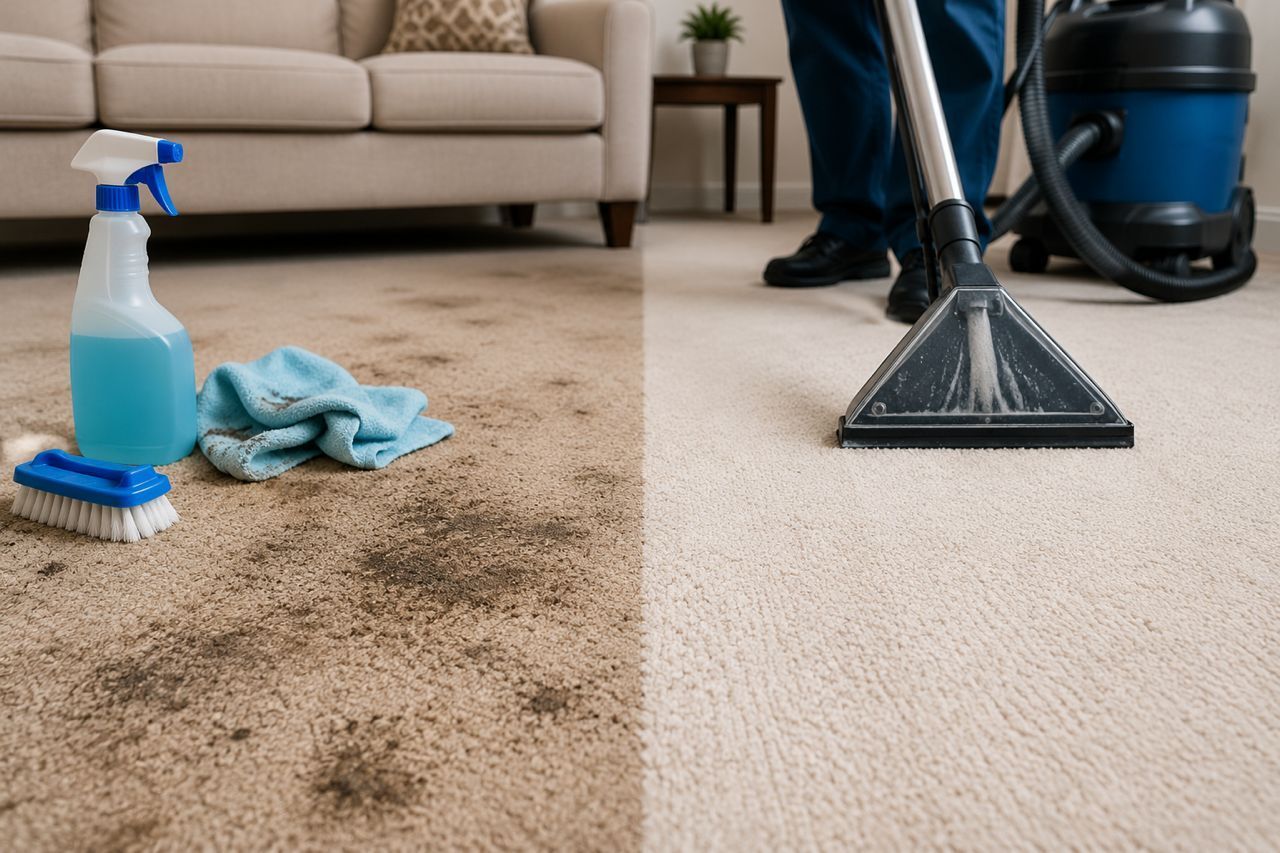
Cleaning frequency should increase substantially. Where typical homes might have professionally cleaned carpets annually, beach houses require quarterly cleaning in main living areas and semi-annual cleaning in bedrooms. High-exposure areas near entries may need monthly attention during peak beach season. This increased frequency addresses the accelerated soiling, salt accumulation, and moisture-related problems before they become severe. While representing higher maintenance costs, frequent cleaning extends carpet life and maintains appearance, actually reducing total ownership costs compared to neglected carpets requiring premature replacement.
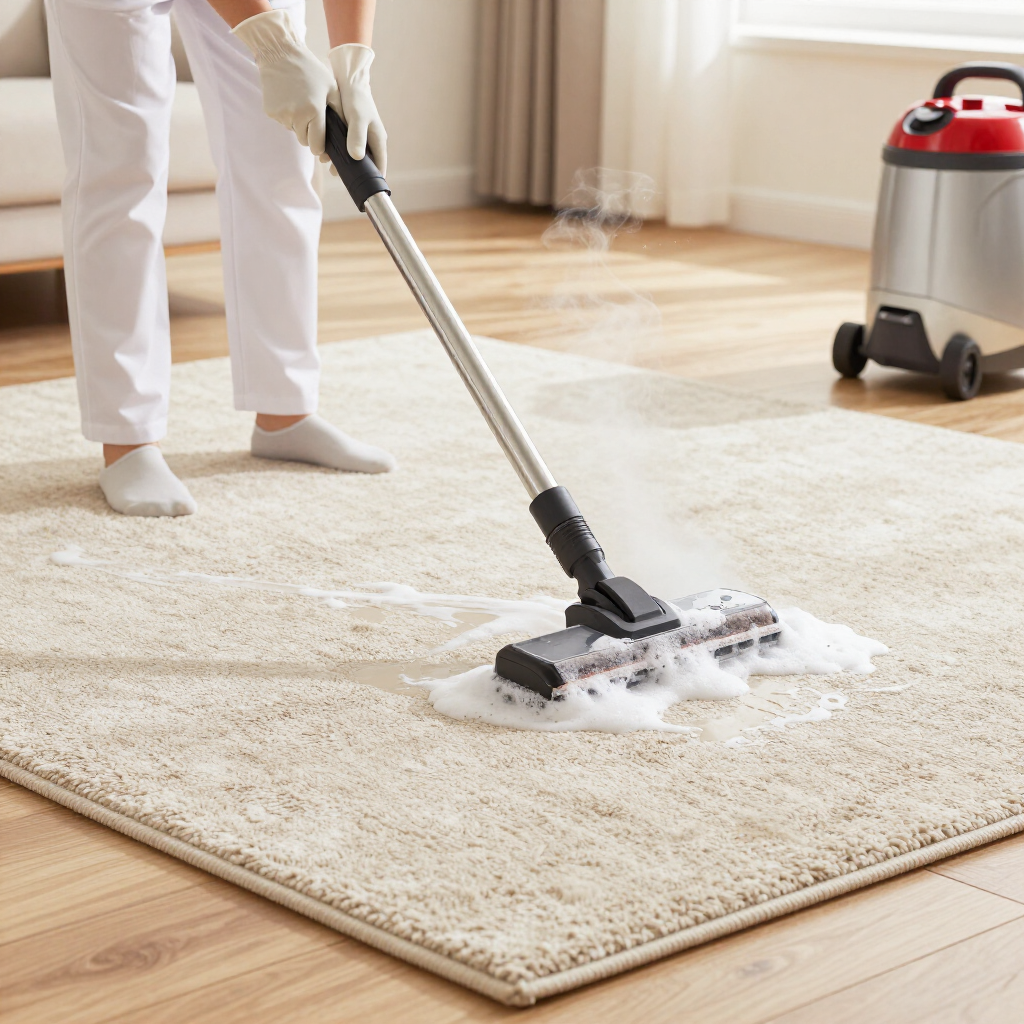
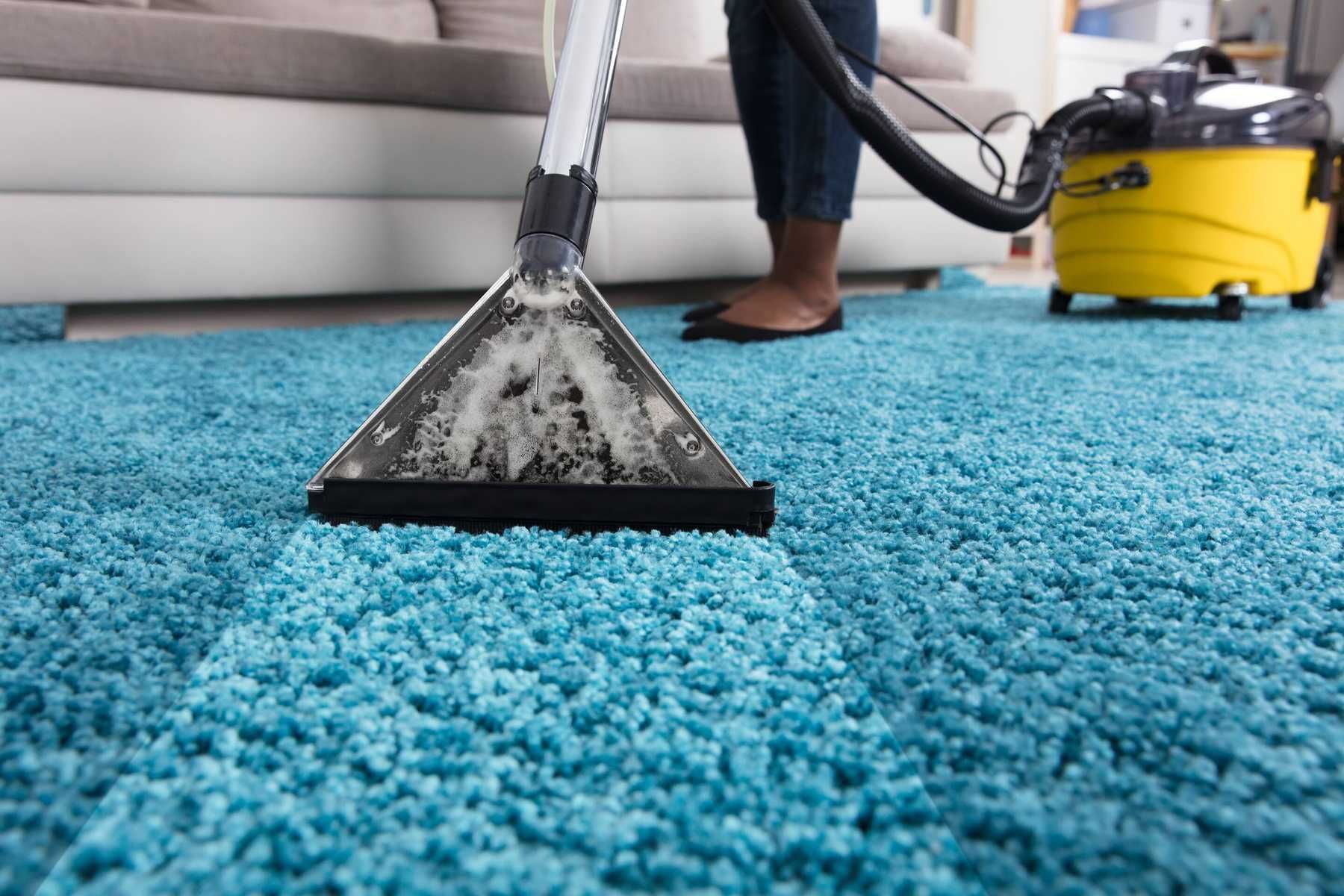
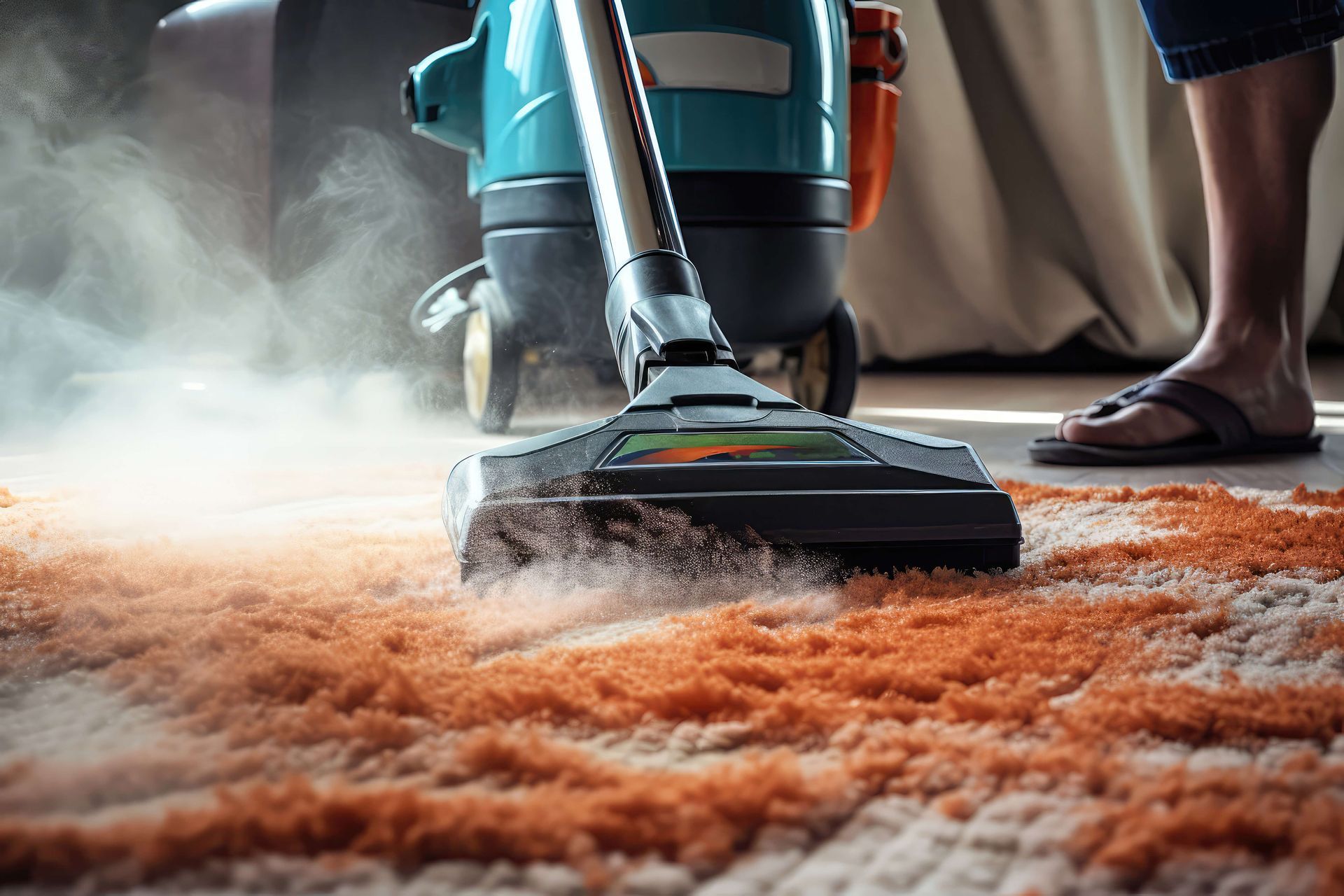
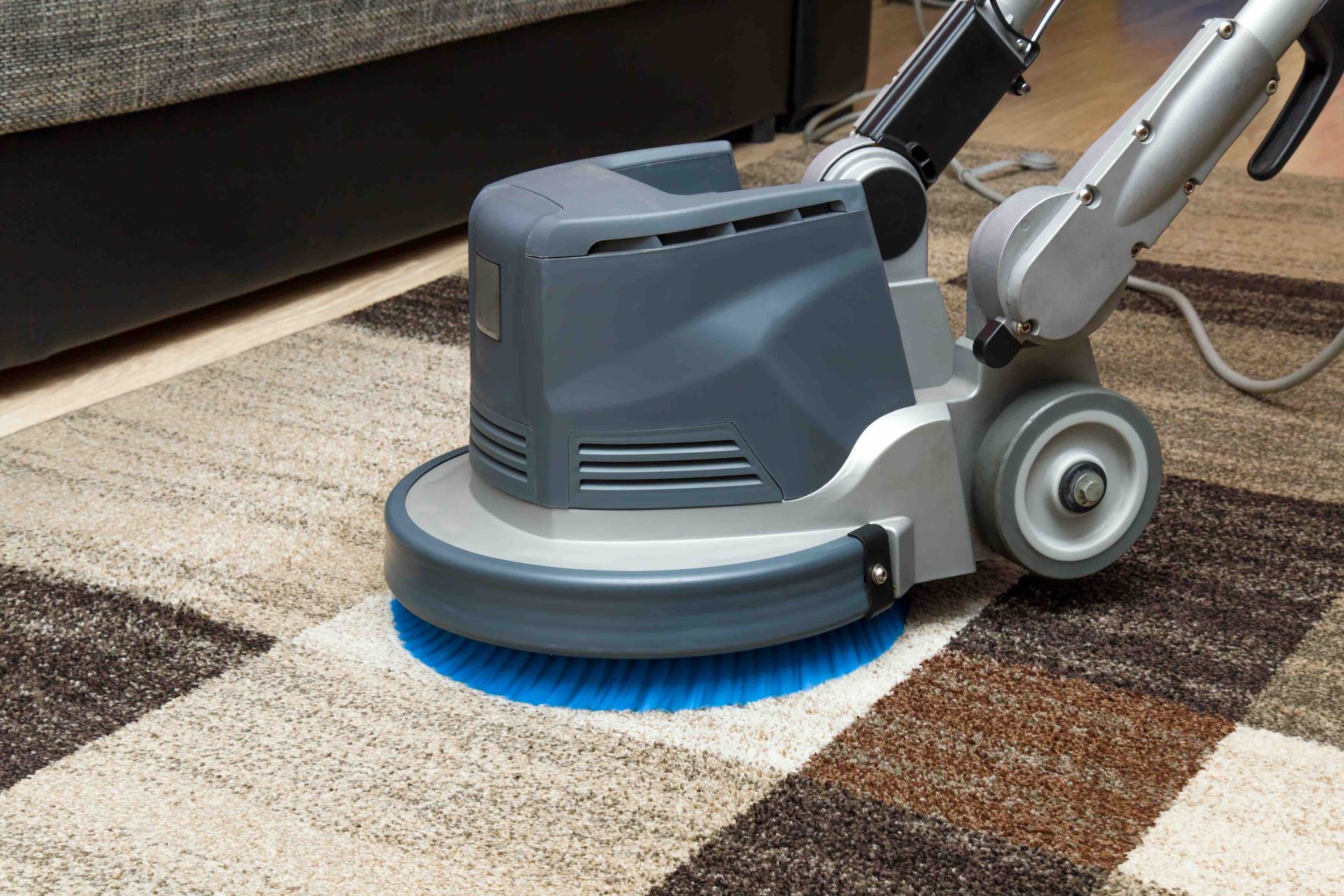
Hot water extraction removes embedded sand and salt. Steam cleaning or hot water extraction using powerful truck-mounted equipment provides the deep cleaning that beach house carpets require. The combination of hot water, cleaning chemistry, and strong extraction removes sand particles, dissolves and extracts salt deposits, and reduces microbial contamination. Ensure cleaning services use this method rather than lower-powered portable machines or encapsulation systems that cannot address the heavy contamination that beach carpets accumulate.
Multiple rinse passes prevent residue accumulation. Single-pass cleaning leaves chemical residues and dissolved salt in carpets that attract rapid resoiling. Specify that cleaners perform at least two rinse passes using fresh hot water after the initial cleaning pass. This thorough rinsing removes contaminants and cleaning chemicals, leaving carpets as neutral as possible. The additional time and water use provide value through slower resoiling and better appearance retention between cleanings.
Antimicrobial treatments reduce mould and mildew growth. After cleaning, the application of EPA-registered antimicrobial products inhibits fungal and bacterial growth in humid carpet environments. These treatments last several months before requiring renewal. While not eliminating mould risk, antimicrobials significantly reduce colonisation rates and associated odour problems. Request antimicrobial treatment as standard practice for beach house cleaning, as the humid environment justifies this protective measure.
Rapid drying prevents moisture problems. Carpet cleaning introduces substantial water that must be removed quickly to prevent mould growth and odour development. Professional cleaners should use high-powered extraction that removes maximum water, followed by air movers that speed drying. Carpets should dry within 6 to 12 hours maximum. Cleaning during low-humidity periods with air conditioning or dehumidifiers running accelerates drying. Cleaning that leaves carpets damp for days creates more problems than it solves, making provider selection and drying protocols critical considerations.
Conclusion
Beach house carpets face environmental challenges that dramatically exceed typical residential conditions, with sand abrasion, salt contamination, and elevated humidity combining to accelerate wear and create maintenance demands far beyond conventional homes. Understanding that sand particles act as abrasive grit that destroys fibers, salt attracts moisture that promotes mold growth, and constant humidity prevents carpets from drying creates realistic expectations about carpet performance in Wollongong coastal properties. Effective beach house carpet management requires systematic approaches, including rigorous entry point barriers, daily vacuuming, strategic humidity control through air conditioning and dehumidifiers, and professional cleaning frequency increased to quarterly rather than annual intervals typical of inland homes.
Material selection proves critical, with solution-dyed synthetic fibers in low-pile dense constructions providing superior performance compared to natural fibers or plush high-pile styles that trap sand and moisture. Accepting that carpets in beach environments will require replacement every 8 to 12 years despite excellent care helps set appropriate budgets and expectations, while strategic transitions to hard flooring in the highest-exposure areas preserve carpet for bedrooms and low-traffic spaces where environmental challenges are reduced. For Wollongong beach house owners, the combination of appropriate material selection, disciplined daily maintenance, controlled humidity, frequent professional cleaning, and realistic replacement planning allows you to maintain comfortable carpeted living spaces while managing the inevitable wear that coastal environments create.
About Wollongong Carpet Cleaning Pro
Wollongong Carpet Cleaning
Pro specializes in carpet maintenance for coastal properties throughout the Wollongong region, with a deep understanding of the unique challenges sand, salt, and humidity create for beach house carpets. Their experienced technicians use truck-mounted hot water extraction equipment that provides the deep cleaning and thorough rinsing beach house carpets require to remove embedded sand and salt contamination. Services include antimicrobial treatments specifically targeted at the mold and mildew issues prevalent in humid coastal environments, along with rapid drying protocols using professional air movers that prevent moisture problems after cleaning. Wollongong Carpet Cleaning Pro works with both residential beach house owners and vacation rental property managers, offering flexible scheduling and customized maintenance programs that address the intensive cleaning frequency coastal carpets demand. Their team provides honest assessments about carpet condition, advising when ongoing maintenance remains cost-effective versus when replacement becomes the more economical choice for severely degraded carpets.