Best Carpet Dry Cleaning Methods for Offices & Commercial Spaces
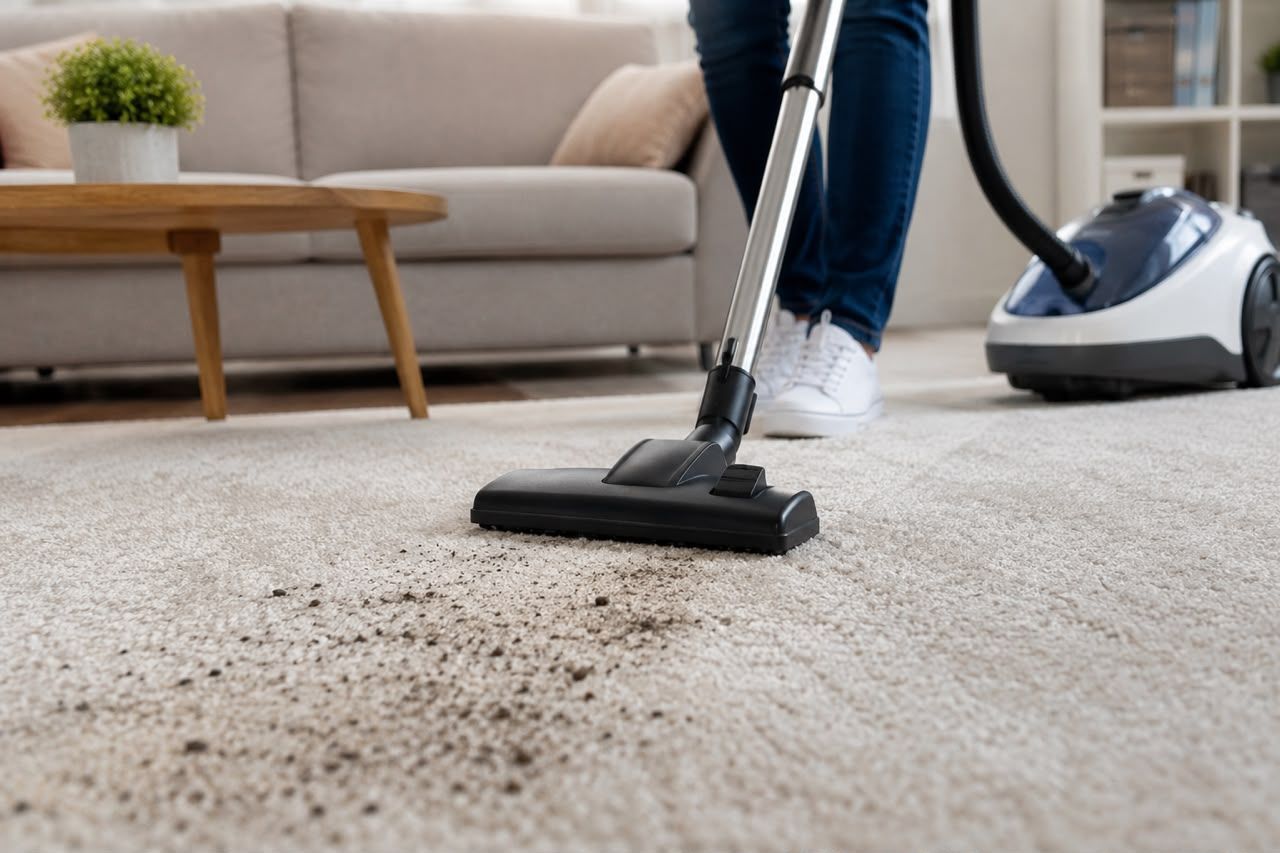
If you manage an office, a clinic, a retail floor, a strata building, or any commercial site where people are walking all day and meetings are happening back-to-back, you already know that carpet cleanliness is not only about appearance, because the real pressure comes from needing a method that lifts soil and spills effectively while also keeping downtime low, odors minimal, slip risk controlled, and the space usable again quickly without leaving the carpet soggy or sticky underfoot.
That is exactly why
carpet dry cleaning is such a popular option for commercial environments across NSW, Australia, because when it is done properly, it gives businesses a practical middle ground between deep restorative cleaning and disruptive wet processes, and it supports the real-world needs of workplaces where you cannot simply shut down a floor for half a day while the carpet slowly dries.
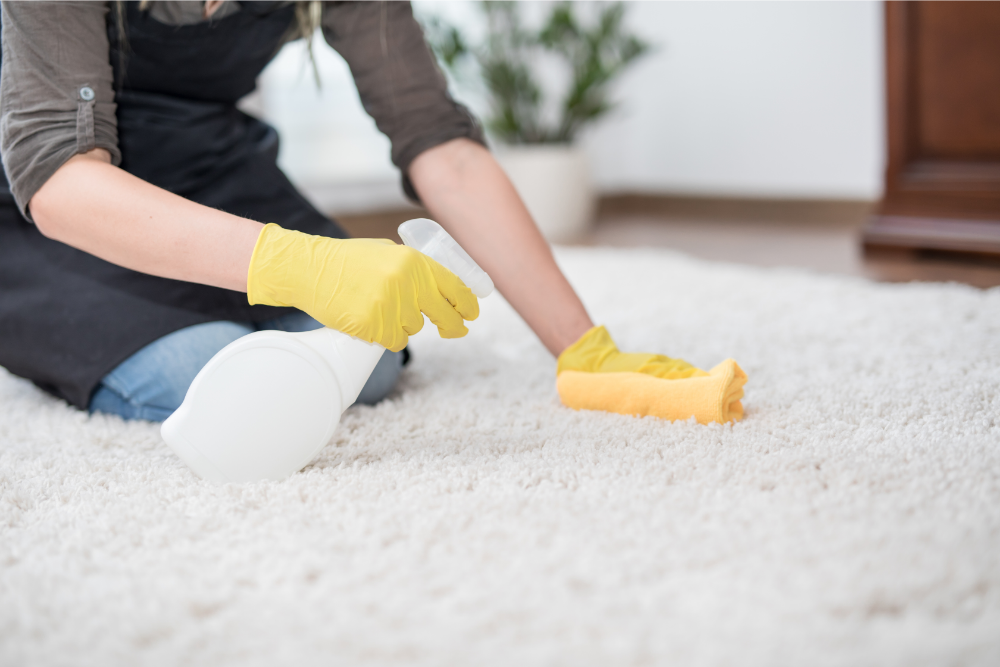
Why Offices & Commercial Spaces in NSW Prefer Dry Carpet Cleaning
Businesses throughout NSW often prefer low-moisture methods because commercial buildings frequently have controlled airflow settings after hours, and without strong ventilation damp carpets can remain cool and slightly wet longer than expected, creating discomfort, odour risk, and frustration when staff return the next morning.
Commercial Carpet Cleaning in professional environments must therefore prioritise efficiency and scheduling flexibility, because offices operate on strict timelines and need cleaning systems that align with staff presence, client appointments, safety standards, and insurance considerations rather than focusing solely on aggressive soil flushing that may create unnecessary disruption.
Low-moisture approaches support routine maintenance cycles, which help prevent the gradual buildup of traffic lanes that make even a well-managed office look worn, and by cleaning more frequently with controlled methods, businesses can extend carpet life and avoid the cycle of neglect followed by emergency restorative cleaning.
Common Cleaning Methods Used in Commercial Settings
1. Dry Carpet Cleaner Powder Method
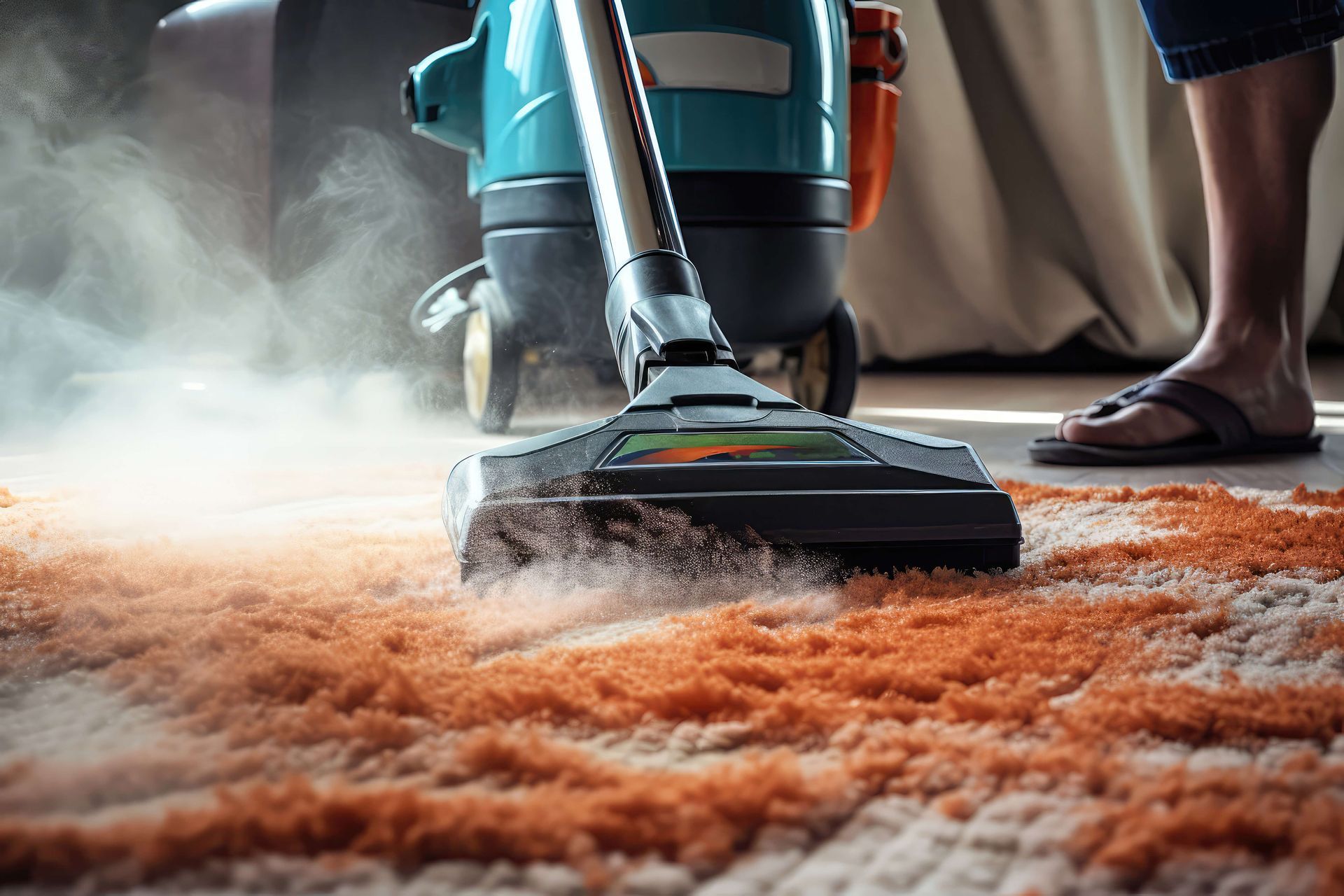
Dry compound systems use absorbent granules or powder that are distributed across the carpet and then agitated into the pile so the compound can bind to oils and soil particles, which makes it a practical maintenance method for offices where you want improved appearance and soil removal without introducing enough moisture to create long drying times or disruption to daily operations.
This method works best when the compound is worked evenly through the carpet rather than sprinkled lightly on the top, because the deepest, most abrasive soil in commercial carpets tends to settle below the visible surface, and it is this embedded grit that causes fiber wear and that persistent grey traffic-lane look that can remain even after routine vacuuming.
2. Dry Foam Carpet Cleaner Method
Foam-based low-moisture systems apply a controlled foam that suspends soil while reducing the overall water load in the carpet, and when handled properly, this approach can improve the look of high-traffic areas while keeping the carpet usable quickly, which is valuable in commercial settings where space cannot be blocked off for extended periods.
The key to success with foam is residue control, because if a foam product is applied too heavily or not recovered properly, the remaining detergent can leave the fibers slightly tacky, which leads to faster re-soiling and that disappointing “it looked clean for two days and then went dull again” effect that businesses often report when a shortcut method is used.
3. Encapsulation Cleaning (Low Moisture System)
Encapsulation is widely used in commercial maintenance because it applies a low-moisture solution that surrounds soil particles and then dries into a brittle residue that can be removed during thorough post-vacuuming, which allows busy offices to maintain a consistent appearance without the downtime and risk that can come with heavier wet methods.
It is especially effective in open-plan workplaces, corridors, and reception areas where soil is mostly fine particulate matter and general traffic grime, and when paired with correct agitation equipment and disciplined vacuuming, encapsulation can provide repeatable, reliable results that work well as part of an ongoing maintenance schedule rather than being a once-a-year emergency clean.
How Long Does It Take Carpet to Dry After Cleaning?
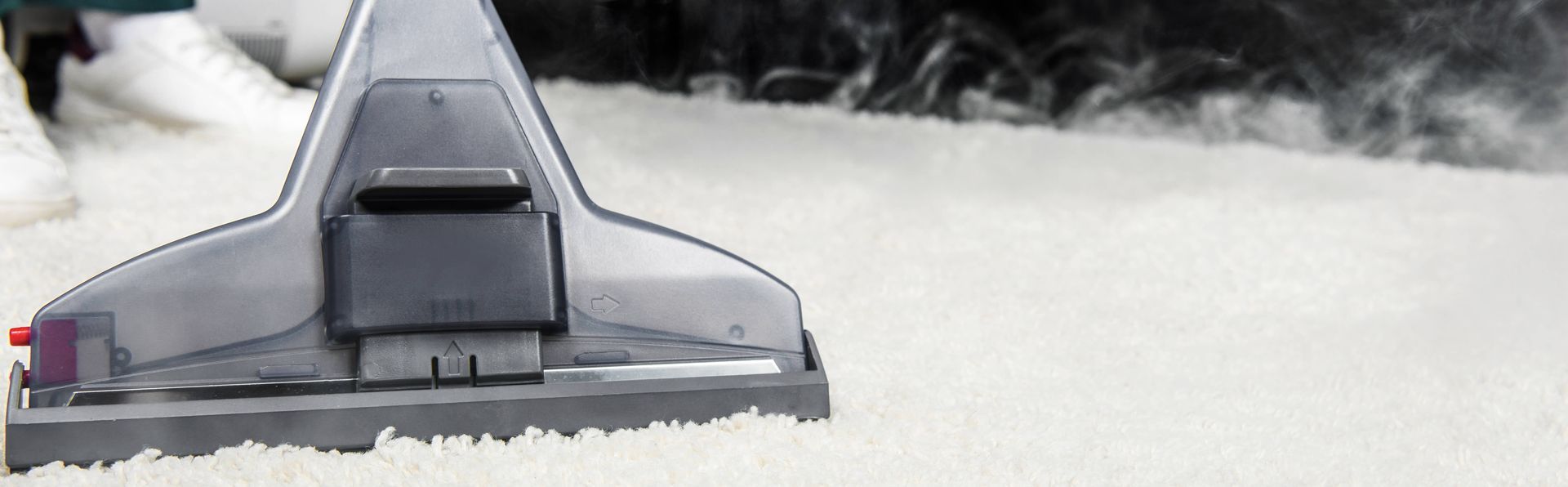
One of the most common concerns among business owners is drying time, because how long it takes carpet to dry after cleaning directly affects scheduling, building access, and workplace comfort. With low-moisture dry cleaning systems, commercial carpets are often dry to the touch within a short timeframe, depending on airflow and environmental conditions, whereas Hot Water Extraction generally requires a longer drying window because heated water is injected into the carpet pile and then vacuumed out, leaving residual moisture that must evaporate fully before the carpet stabilises.
The actual drying period depends on factors such as carpet density, underlay type, indoor humidity, ventilation quality, and how much product was used during the cleaning process, which is why realistic expectations and proper airflow planning are essential in commercial settings.
How to Dry Carpet After Cleaning Faster
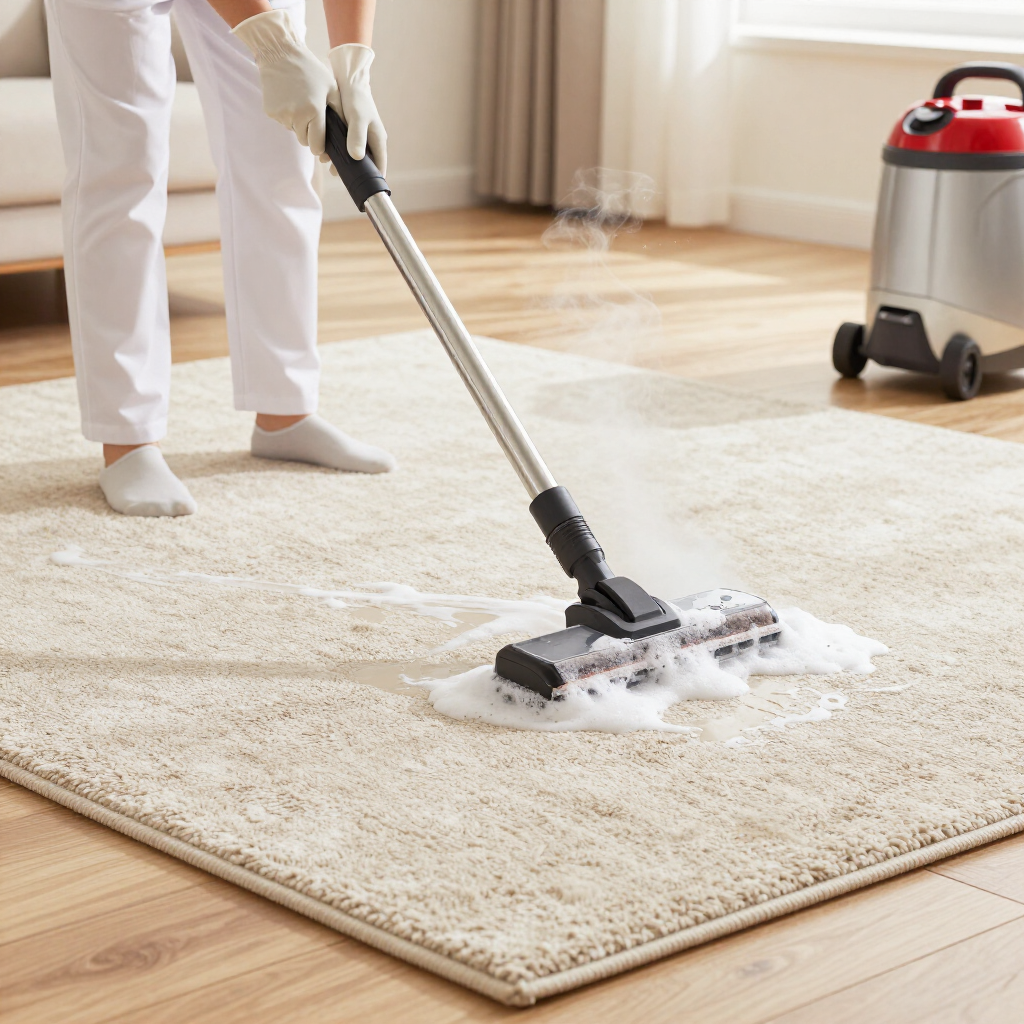
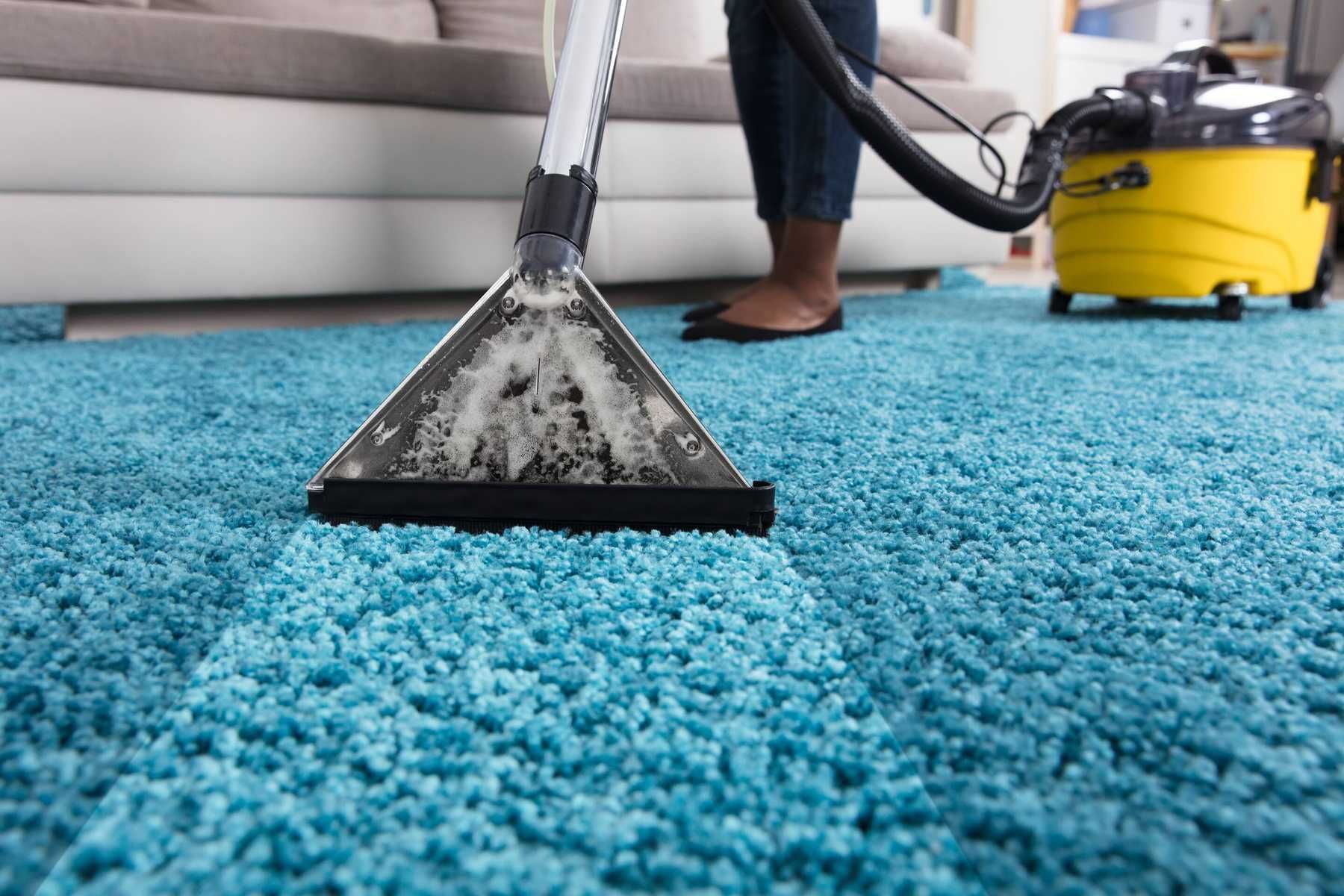
If quicker drying is required, increasing airflow is the most effective approach because moving air accelerates evaporation across the carpet surface and reduces the likelihood of damp odour or delayed stabilisation. Carpet Steam Cleaning, while effective in certain restorative scenarios, benefits significantly from strategic ventilation planning, because airflow management helps prevent moisture from lingering in the backing layers and ensures the cleaned surface feels dry and comfortable before normal foot traffic resumes. Scheduling cleaning during low-traffic hours and ensuring HVAC systems remain active during the drying period can dramatically reduce downtime and improve final results.
Addressing Stains in Commercial Carpets
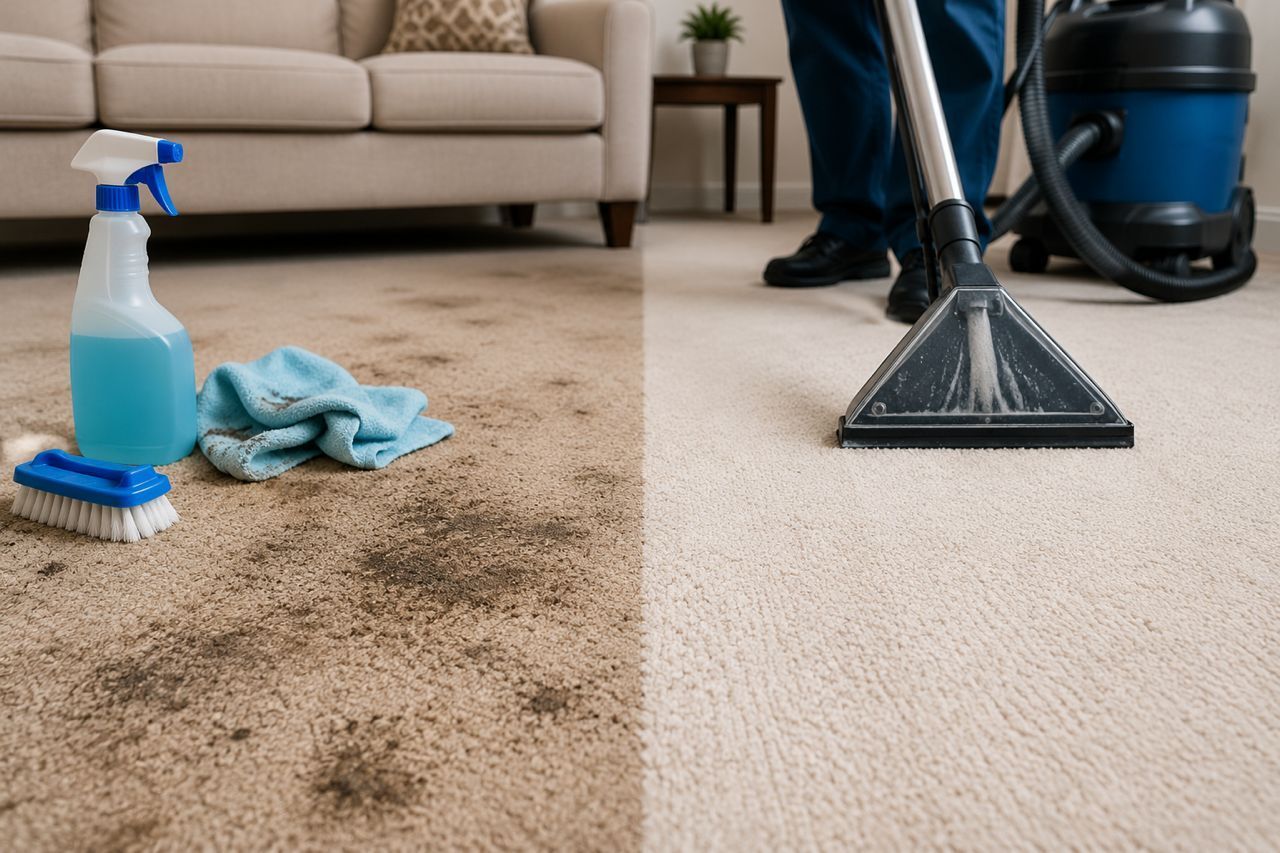
Professional stain treatment involves identifying the type of stain, applying the appropriate chemistry with controlled moisture levels, and avoiding aggressive scrubbing that damages fibres, which allows the affected area to improve without creating wicking, ring marks, or uneven shading once the carpet dries. Carpet Stain Removal is especially important in offices where coffee, ink, food spills, and tracked-in contaminants can create visible marks that worsen when walked over repeatedly, because untreated stains can spread outward or sink deeper into the pile, making them harder to correct later.
Supporting Workplace Hygiene Beyond Carpets
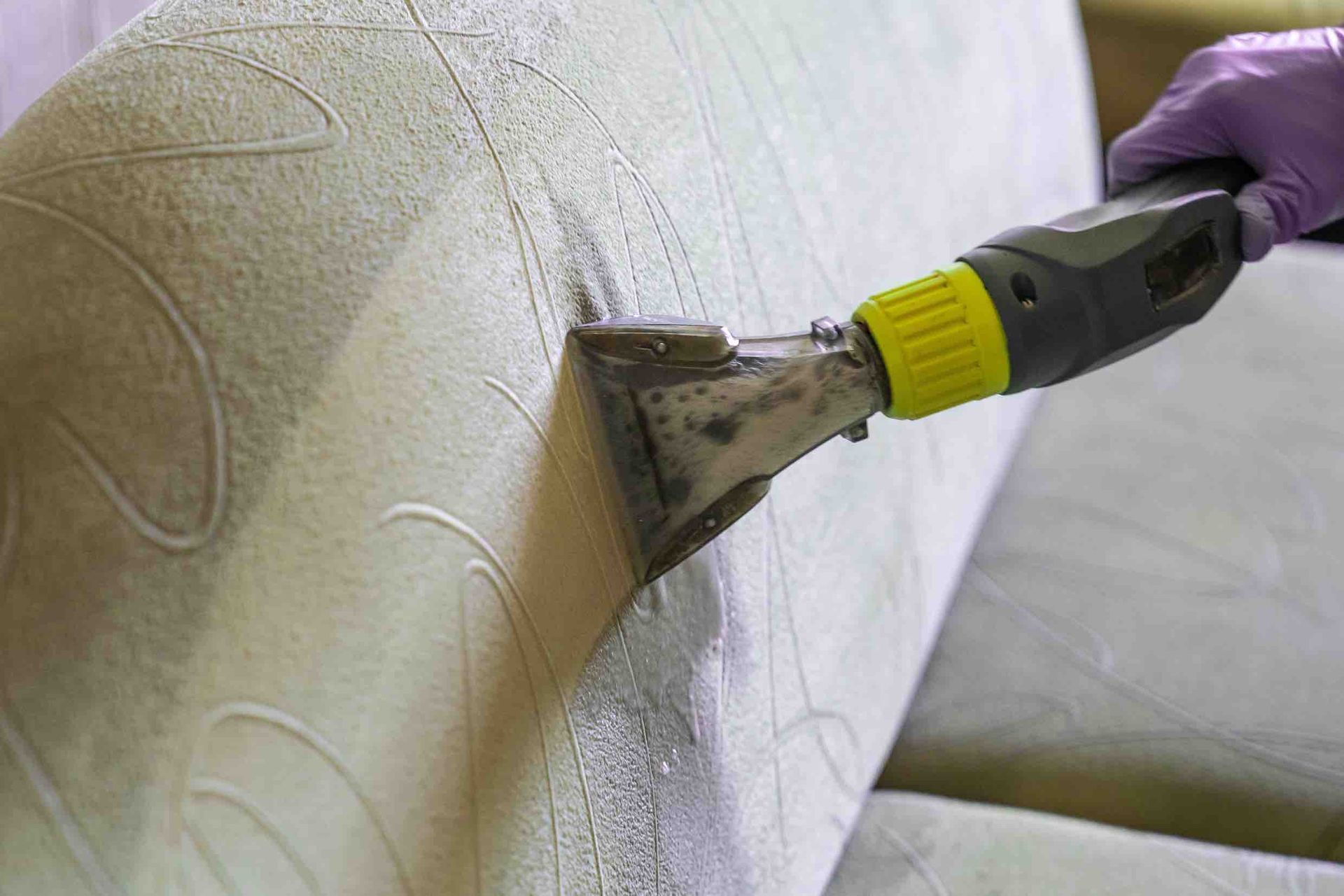
Upholstery Cleaning plays an important role in commercial environments where fabric chairs, waiting-room lounges, and collaborative seating areas absorb body oils, dust, and airborne contaminants gradually over time, which can affect indoor freshness even when the carpet itself is well maintained.
Addressing soft furnishings as part of a broader maintenance strategy helps create a more hygienic and professional atmosphere for staff and visitors, particularly in client-facing workplaces where presentation and comfort directly influence perception.
Frequently Asked Questions (FAQs)
1. How long does carpet dry cleaning take to dry in an office?
In most commercial settings, carpet dry cleaning allows carpets to be ready for normal foot traffic within a short timeframe, often much faster than traditional wet methods, although exact drying time depends on airflow, humidity, and carpet density within the building.
2. Is carpet dry cleaning suitable for high-traffic commercial spaces?
Yes, low-moisture carpet dry cleaning is particularly suitable for high-traffic offices and retail environments because it improves surface appearance and soil removal while minimising downtime, which is essential for workplaces that cannot close for extended drying periods.
3. Does dry carpet cleaning remove deep stains?
Dry carpet cleaning is effective for general soil and light-to-moderate staining, but deeper or set-in stains may require targeted stain treatment to improve results, especially in commercial areas where spills are repeatedly walked over before being addressed.
4. How often should offices schedule commercial carpet cleaning?
Most offices benefit from scheduled maintenance cleaning every few months, depending on foot traffic and soil levels, because consistent low-moisture cleaning helps prevent heavy buildup and extends the overall lifespan of commercial carpet installations.
Why Businesses in NSW Trust Wollongong Carpet Cleaning Pro
Businesses across NSW rely on structured maintenance plans that balance appearance, hygiene, drying time, and operational continuity, because commercial environments cannot afford inconsistent outcomes or excessive downtime caused by poor method selection.
Our experts at
Wollongong Carpet Cleaning Pro work with offices and commercial facilities that require practical, low-moisture cleaning solutions tailored to their traffic patterns and operational needs, ensuring carpets remain fresh, presentable, and business-ready without unnecessary disruption or extended drying delays. If your workplace requires an approach that prioritises efficiency while maintaining professional standards, selecting the right method and scheduling it strategically can make a measurable difference in both carpet longevity and daily workplace comfort.