Carpet, Tile & Upholstery Cleaning Pricing Guide: Residential vs Commercial Cost Differences
Cleaning prices are not always easy to understand, especially when different services are involved. A carpet clean, a tiled floor, or a fabric sofa may look simple, but each one needs a different process, different time, and a different level of care. This is why the price can change from one job to another, even if the spaces look similar at first.
In Wollongong homes and businesses, cleaning services are usually priced based on the type of surface, the size of the area, and the condition of the material. Residential jobs are often smaller and easier to measure, while commercial work involves larger areas and more planning. This guide explains how pricing works, what affects the cost, and how to understand the difference between residential and commercial cleaning services.
How Much Do Carpet, Tile, and Upholstery Cleaning Services Usually Cost?
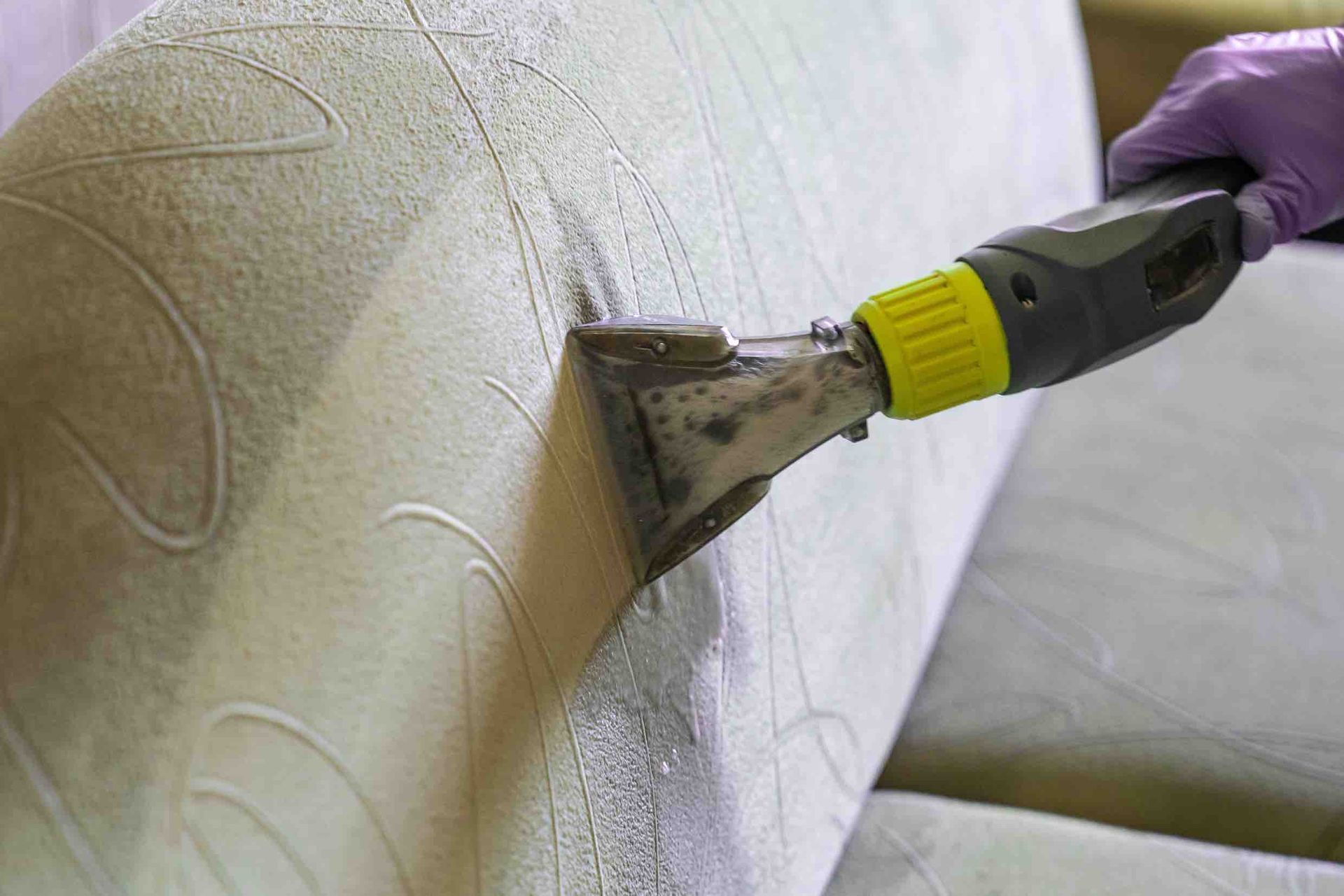
Cleaning costs usually depend on the type of surface, the size of the area, and the amount of work needed to get a good result. Carpet cleaning is often priced by room or by area size, while tile and grout cleaning is usually based on square metres and the condition of the grout lines. Upholstery cleaning is commonly priced by item, because a chair, a two-seater sofa, and a larger lounge all take different time and effort to clean properly.
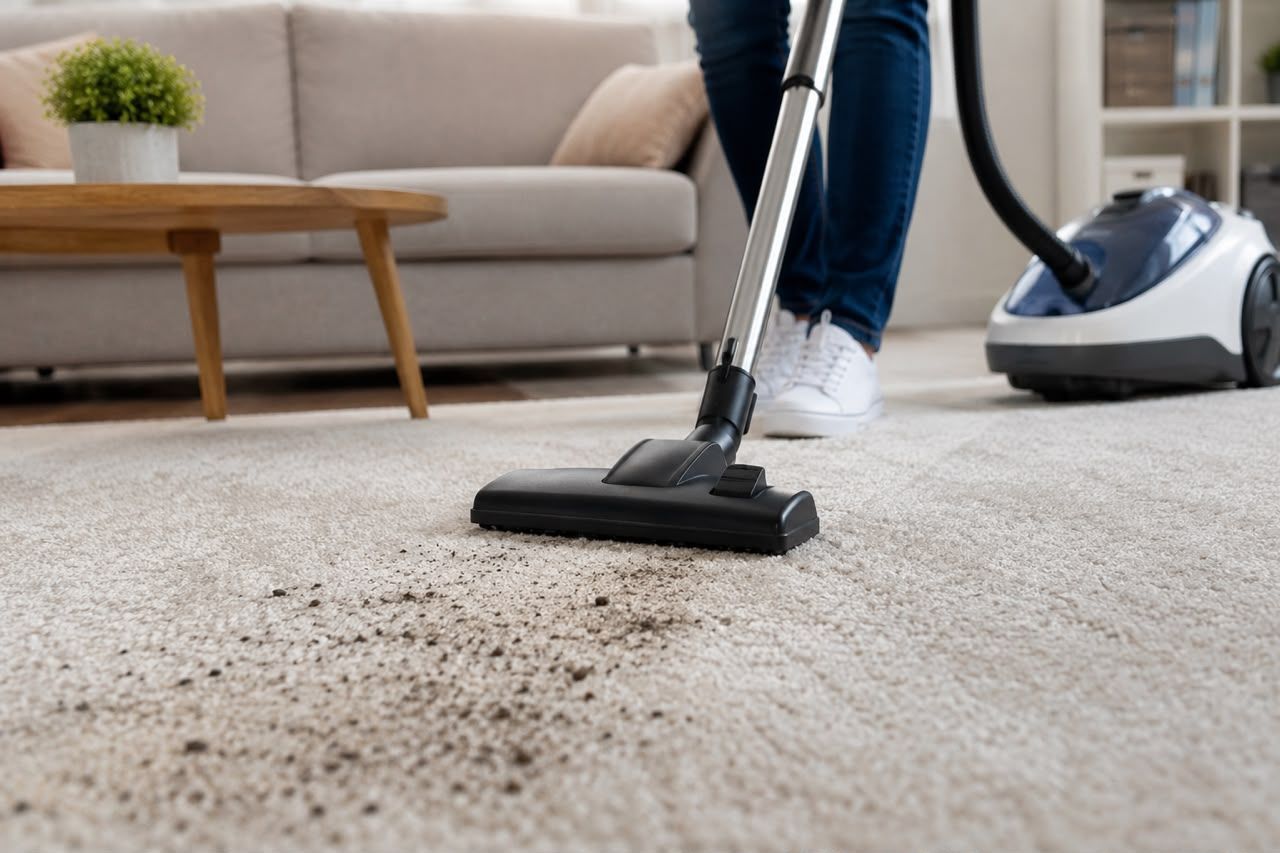
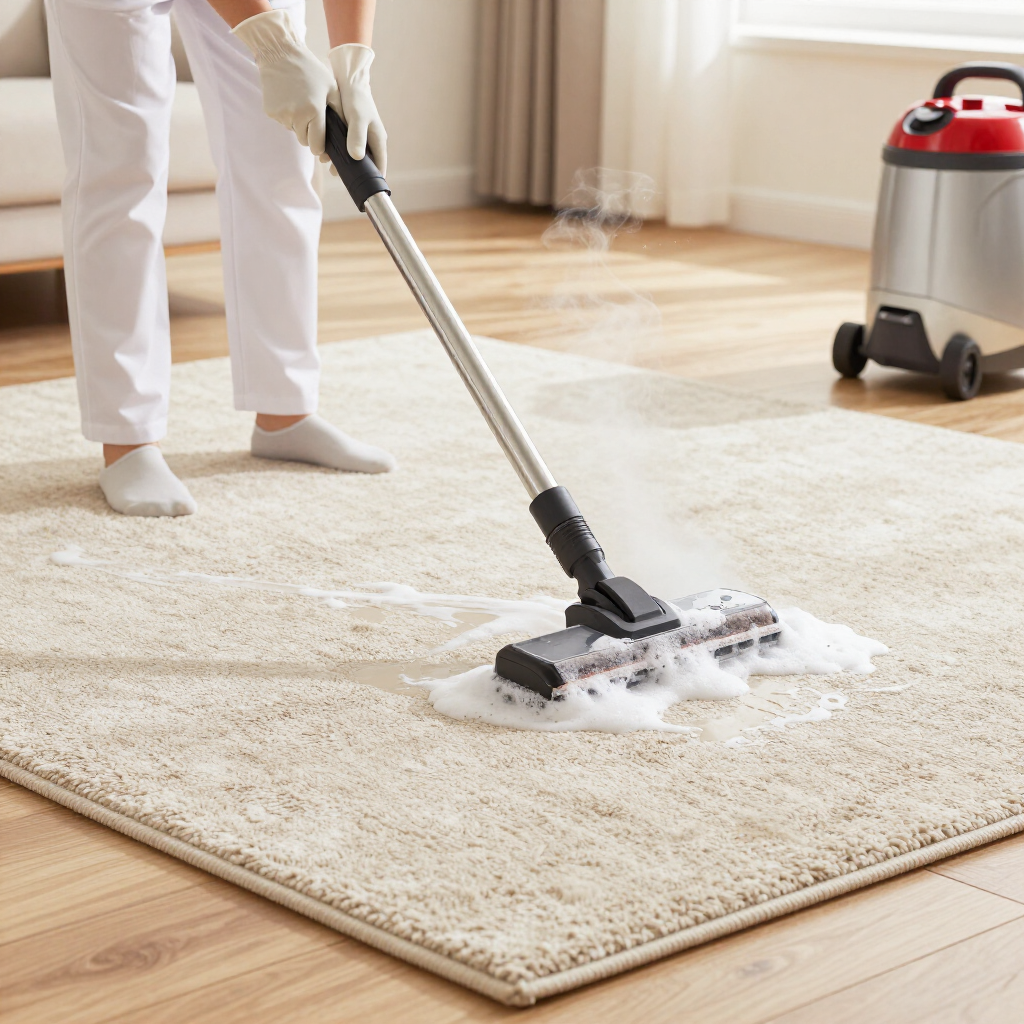
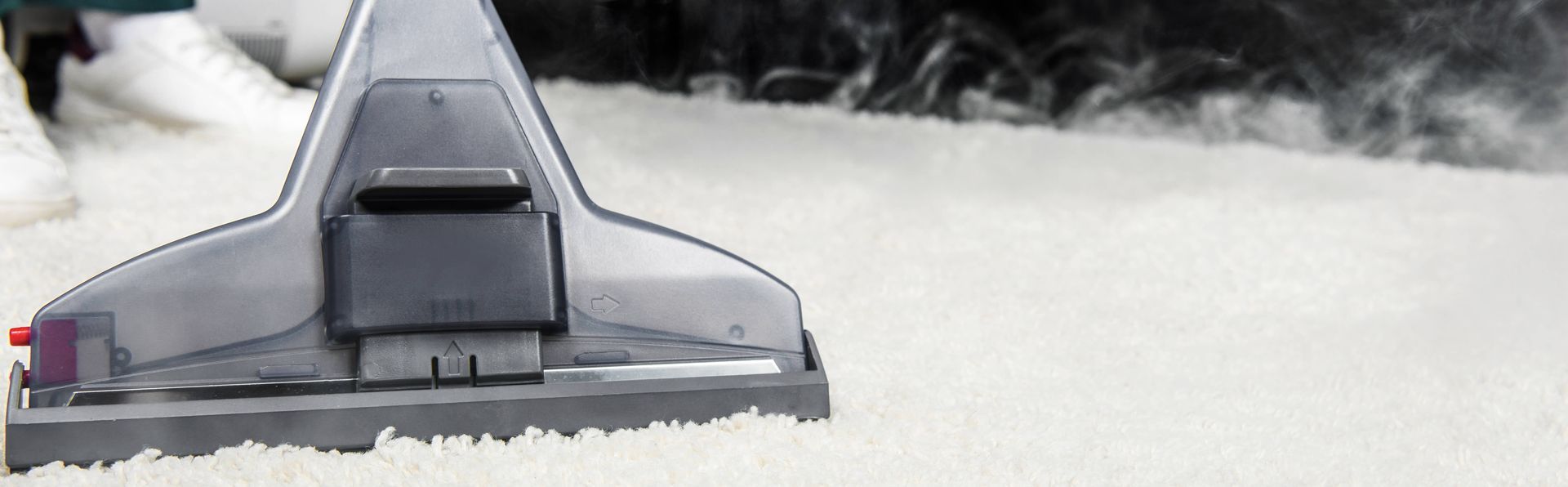
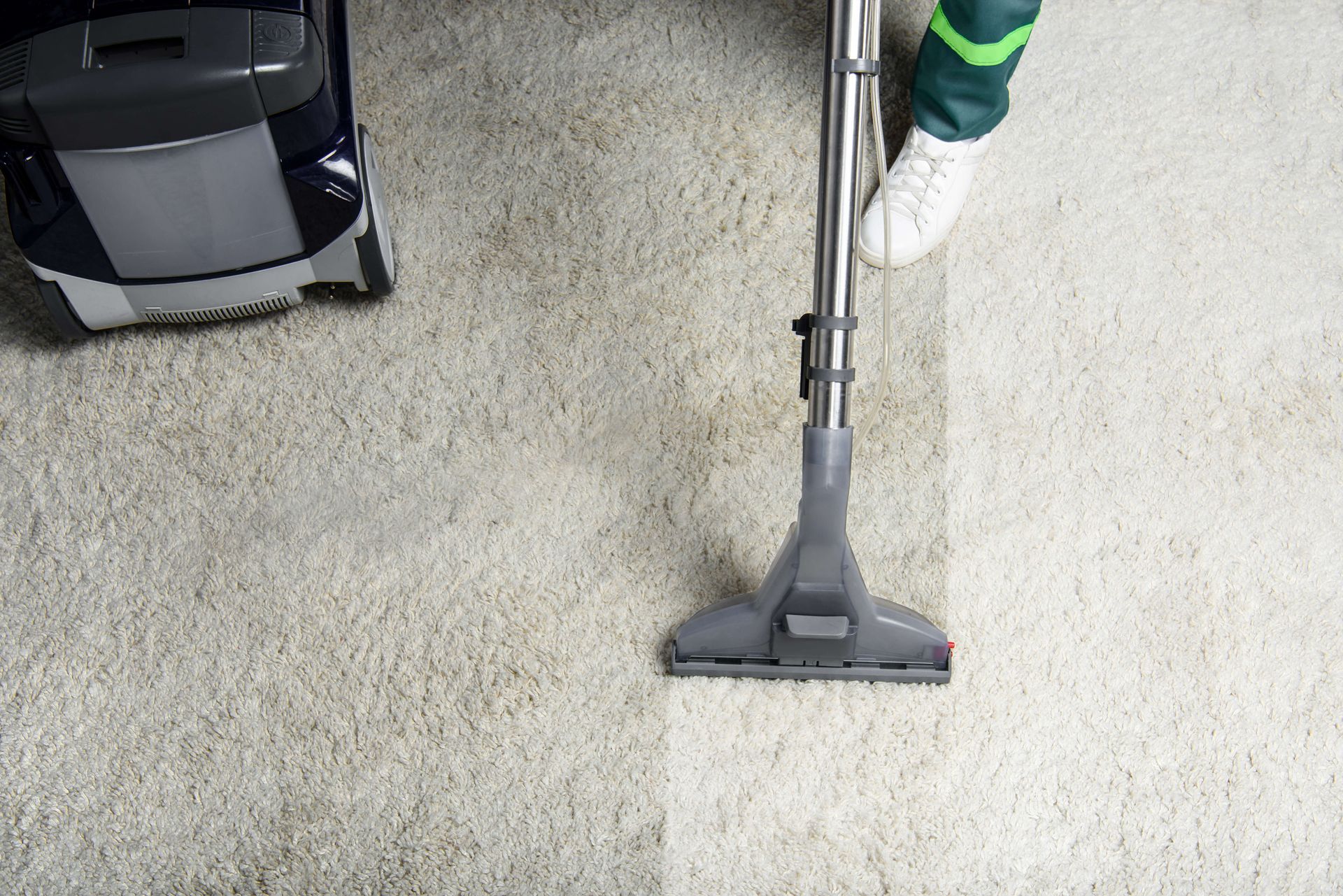
The final price also depends on whether the job is a simple freshen-up or a deeper clean. A carpet that only needs general Carpet Steam Cleaning will usually be easier to quote than a carpet with deep soil, strong odour, or visible staining. In the same way, a lightly used sofa may need only standard treatment, while heavily used furniture often takes more work to restore. This is why cleaning companies usually look at both the surface and the condition before giving a clear quote.
What Is Usually Included in a Standard Cleaning Service?
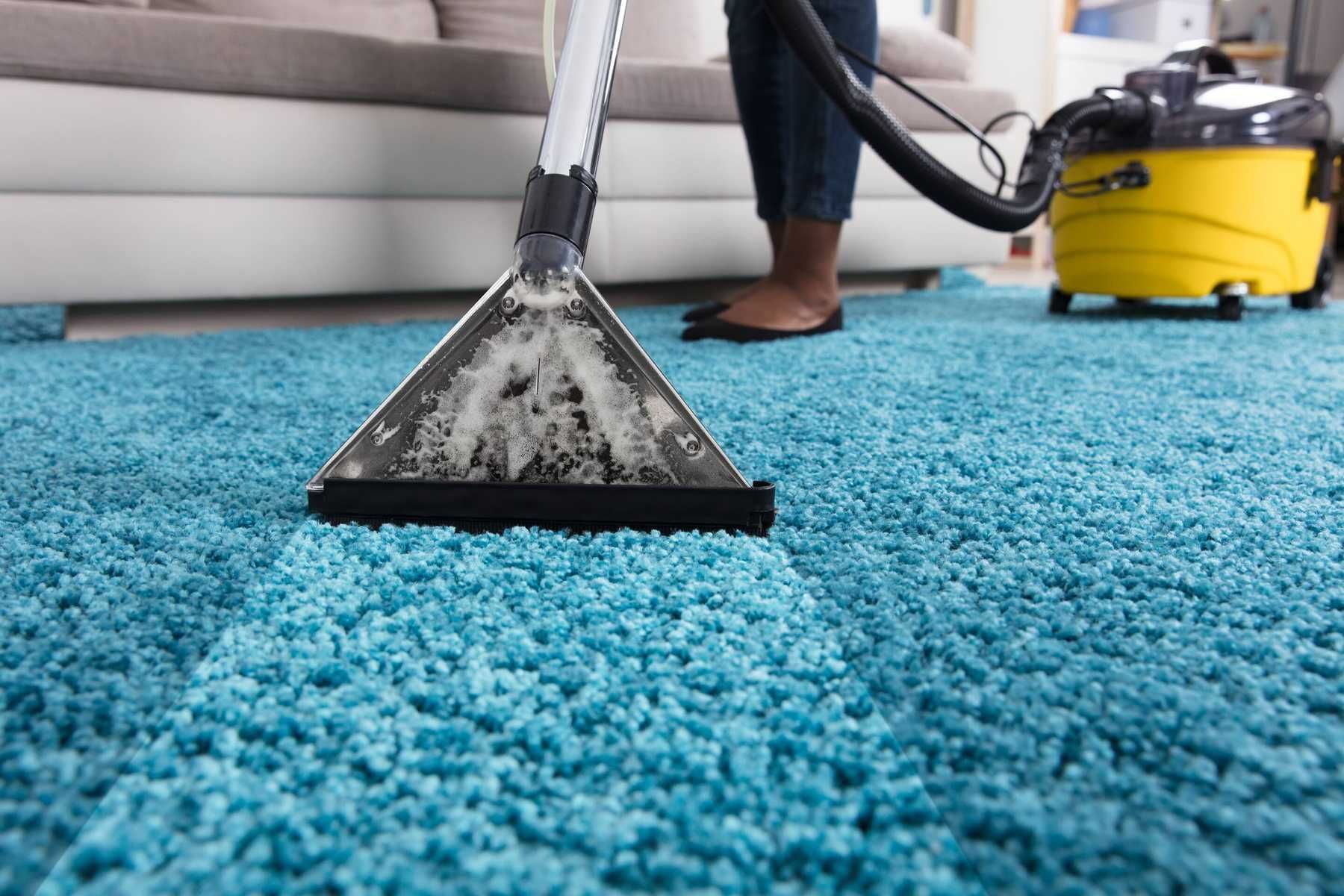
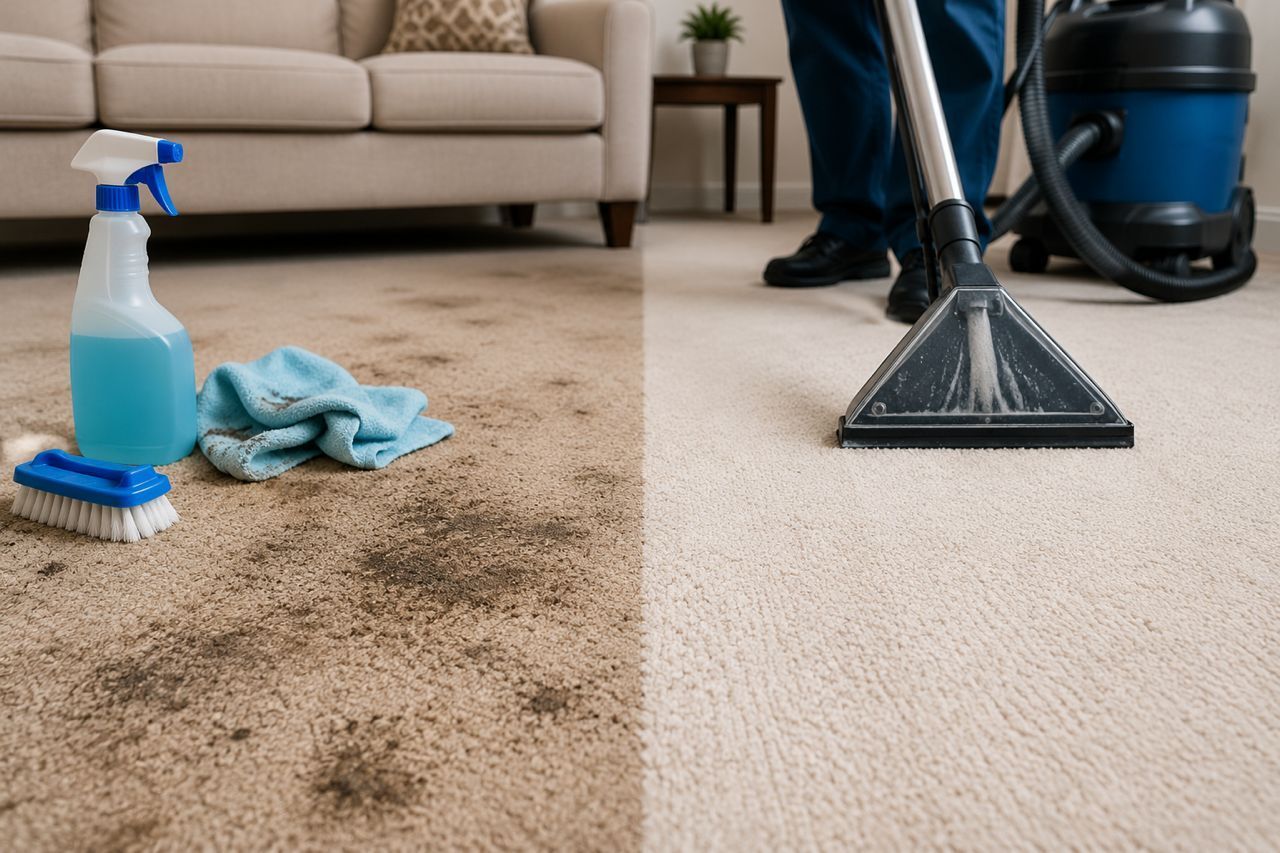
A standard cleaning service follows a structured process to deliver a proper result. It is not just a quick surface clean but a step-by-step method that removes dirt from deeper levels. This process is similar to what you see in deep cleaning methods, where each stage plays an important role in getting long-lasting results rather than just a surface clean .
Most services include:
- Inspection to check condition and stains
- Pre-treatment to loosen dirt and marks
- Deep cleaning using the right method
- Extraction or removal of dirt and moisture
- Basic drying and finishing steps
How Is Carpet Cleaning Pricing Usually Worked Out?
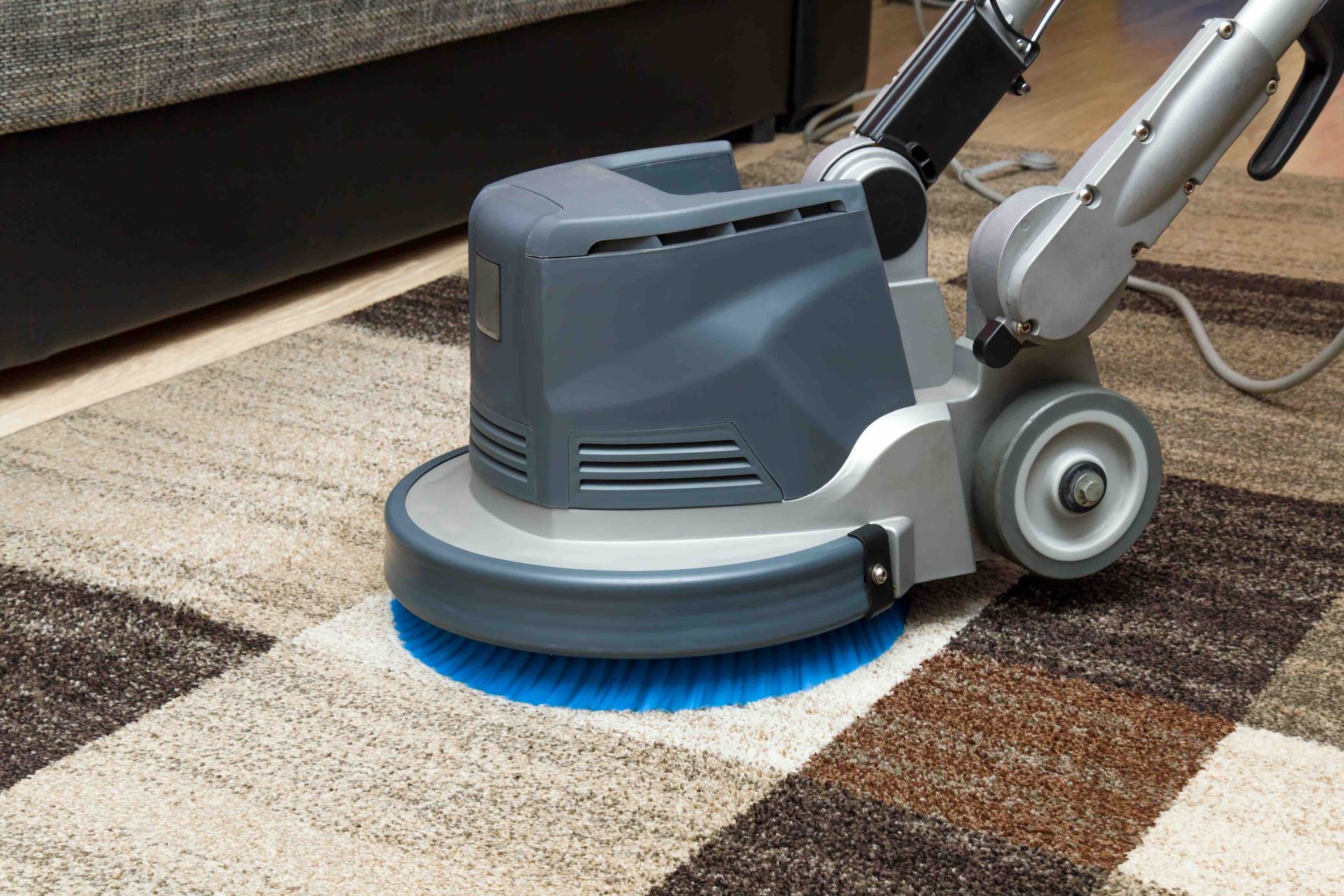
Carpet cleaning prices are usually based on the size of the job, the number of rooms, and the overall condition of the carpet. In smaller homes, room-based pricing is common because it gives customers a simple way to estimate the cost. In larger homes or open-plan spaces, area-based pricing often makes more sense because the rooms are not always standard in size. The level of use also matters, because a spare bedroom does not need the same amount of work as a busy family room or hallway.
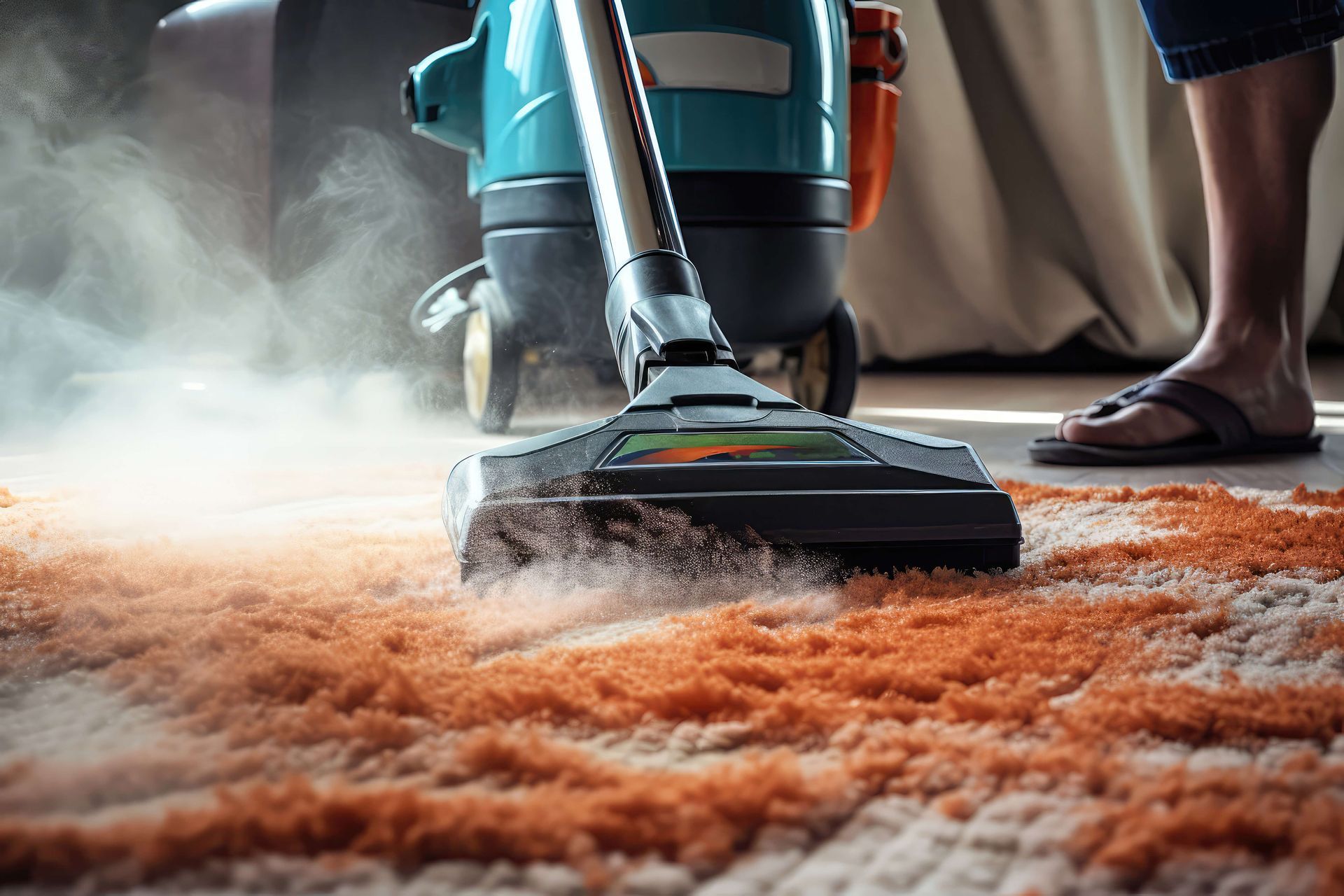
The type of cleaning needed can also change the final cost. A routine clean may be straightforward, while carpets with built-up dirt, stains, or moisture issues may need more time and a stronger process. In some homes, Carpet Dry Cleaning is chosen when lower moisture is preferred or when a faster return to use is important. In other homes, a deeper method is the better fit. This is why carpet pricing is usually shaped by both the layout of the home and the condition of the carpet itself..
Why Do Some Tile and Grout Jobs Cost More Than Others?
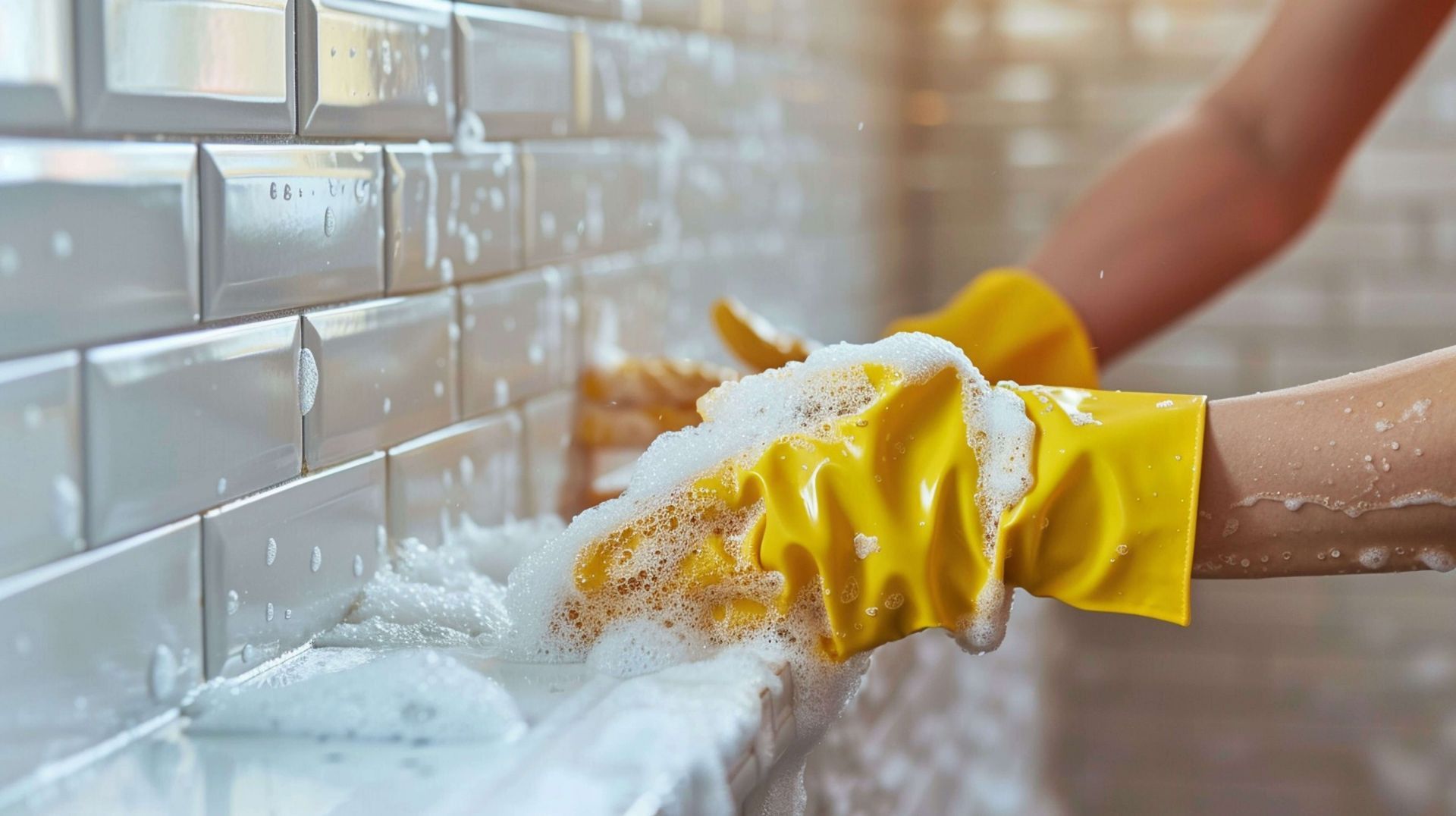
The cost of tile and grout cleaning is often determined by the complexity of the restoration rather than just the square footage. When dirt and grime are deeply embedded within porous grout lines, driven by years of moisture, grease, and heavy foot traffic, the cleaning process requires significantly more time, specialized equipment, and effort to achieve a refreshed look.
- Accumulated Grime: Floors that haven't been professionally maintained for long periods allow dirt to penetrate deep below the surface, requiring intensive restoration.
- Tile Texture and Design: Textured tiles or floors with smaller tiles (and thus more grout lines) create more surface area for debris to hide, increasing the labor involved.
- Location and Contaminants: Bathrooms present unique challenges like soap scum and body oils, whereas kitchens may deal with heavy grease buildup.
- Environment Type: Commercial projects often involve larger footprints, stricter time constraints, and the need for heavy-duty industrial equipment.
- Overall Condition: Ultimately, the level of work required to strip away years of buildup and return the surface to its original finish is a primary factor in pricing.
What Is the Real Difference Between Residential and Commercial Pricing?
The main difference between residential and commercial pricing is not only the size of the job. It is the way the work is planned and delivered. Residential jobs are often smaller, more varied, and easier to break into rooms or items. A home may need one lounge cleaned, a few carpeted rooms, or a tiled kitchen area. The quote can be built around those separate parts of the job.
Commercial work is often priced in a more structured way because the sites are larger and the cleaning must fit business needs. The work may cover open office areas, large carpeted sections, waiting rooms, or shared spaces that need regular upkeep. This changes the pricing model because the cleaner is not only cleaning surfaces. They are also working around timing, site access, safety needs, and repeat service expectations. That is why residential and commercial quotes are usually built in different ways.
What Common Factors Push Prices Higher in Both Homes and Commercial Sites?
The final price of a cleaning project is primarily determined by the specific condition of the site and the intensity of the restoration required. Whether it is a residential home or a commercial facility, professional quotes reflect the time, specialized treatments, and labor necessary to achieve a high-quality result rather than just the size of the space.
- Heavy staining and long-term grime accumulation require more intensive labor and time to resolve.
- Challenging issues like strong odors or difficult access to the site can increase the complexity of the job.
- Oversized areas and high-traffic zones naturally demand more resources and equipment.
- Costs may vary based on the need for extra services such as deep deodorizing, advanced stain removal, or restorative processes.
- The total effort needed to do the job properly is the most accurate guide to value, which is why the lowest price may not always be the most effective choice.
How Often Should Carpet, Tile, and Upholstery Be Professionally Cleaned?
The right cleaning schedule depends on how much use the surface gets and how quickly dirt builds up. In many homes, carpet benefits from regular professional cleaning, especially when there are children, pets, or heavy foot traffic. Tile and grout may need less frequent deep cleaning, but wet areas and kitchens often need attention sooner because buildup shows quickly. Upholstery cleaning frequency depends on daily use, spills, and whether pets use the furniture.
Commercial spaces often need more regular maintenance because the surfaces are used by more people every day. Waiting too long usually makes the next clean more difficult and more expensive. Regular maintenance keeps the condition more stable, helps the space stay presentable, and often makes pricing easier to manage over time.
Frequently Asked Questions
Why is one carpet or upholstery cleaning quote much lower than another?
A much lower quote often means the service is more basic or includes fewer steps. It may not cover deep pre-treatment, stain work, or enough time for a full result. A higher quote may include a more complete process and a more realistic allowance for the condition of the job.
What makes a tile and grout cleaning job cost more than expected?
Tile and grout jobs usually cost more when the grout has deep buildup, when the surface has not been professionally cleaned in a long time, or when the job involves wet areas with soap and moisture residue. These problems add labour and slow the process down.
Why are commercial cleaning quotes often based on square metres instead of rooms?
Commercial spaces are usually larger and more open than homes, so area-based pricing is more practical than room-based pricing. It also suits repeat service plans and larger site layouts more accurately.
Does heavy staining always cost extra to remove?
Not always, but it often does. Heavy staining usually needs extra treatment, more time, and more product than a standard clean. This is why many cleaners separate it from the base quote.
Contact Wollongong Carpet Cleaning Pro for Residential and Commercial Cleaning
We understand that cleaning prices should be clear, practical, and based on the real condition of the job. Whether you need help with carpet, tile, or upholstery, the right quote depends on the surface, the level of soiling, and the type of treatment needed to get a proper result. Our team provides clear advice for both homes and businesses, with service recommendations that match the condition of the space rather than a one-size-fits-all approach
If you want clear pricing and professional help for residential or commercial cleaning in Wollongong,
contact Wollongong Carpet Cleaning Pro today. Our experienced team can explain the best cleaning option, and provide a clear quote based on what your surfaces actually need.