Steam vs Dry Rug Cleaning: NSW Home Guide
Most people vacuum their rugs regularly and think that is enough. But deep inside the fibres, far below what a vacuum can reach, dust mites, bacteria, dead skin cells, and allergens build up over time. A single rug in regular use can hold hundreds of thousands of dust mites. Their waste contains a protein called Der p 1, which is the actual cause of dust mite allergies and asthma attacks, not the mites themselves.
Wollongong's coastal air sits at around 65 to 75 percent humidity for most of the year. Dust mites breed fastest above 50 percent humidity, which means Illawarra homes are near-perfect conditions for them. On top of that, foot traffic grinds dirt deeper into rug fibres every day, pet movement adds dander and outdoor allergens, and everyday spills soak into the backing layer where they sit and feed bacteria. None of this shows on the surface, which is why rugs that look clean can still be a health problem for the people living with them.
Steam vs Dry: Which Method Is Right for Your Rug?
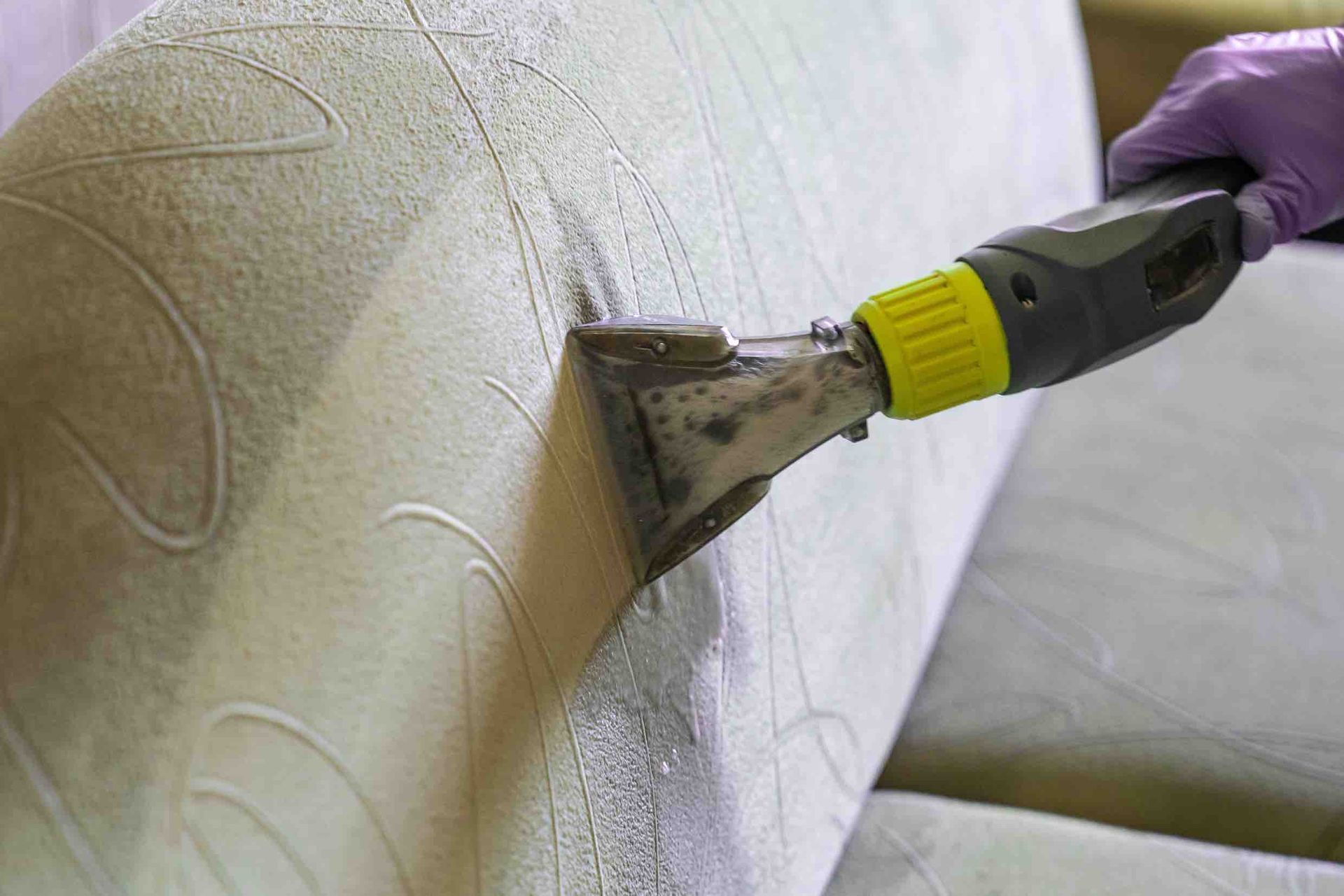
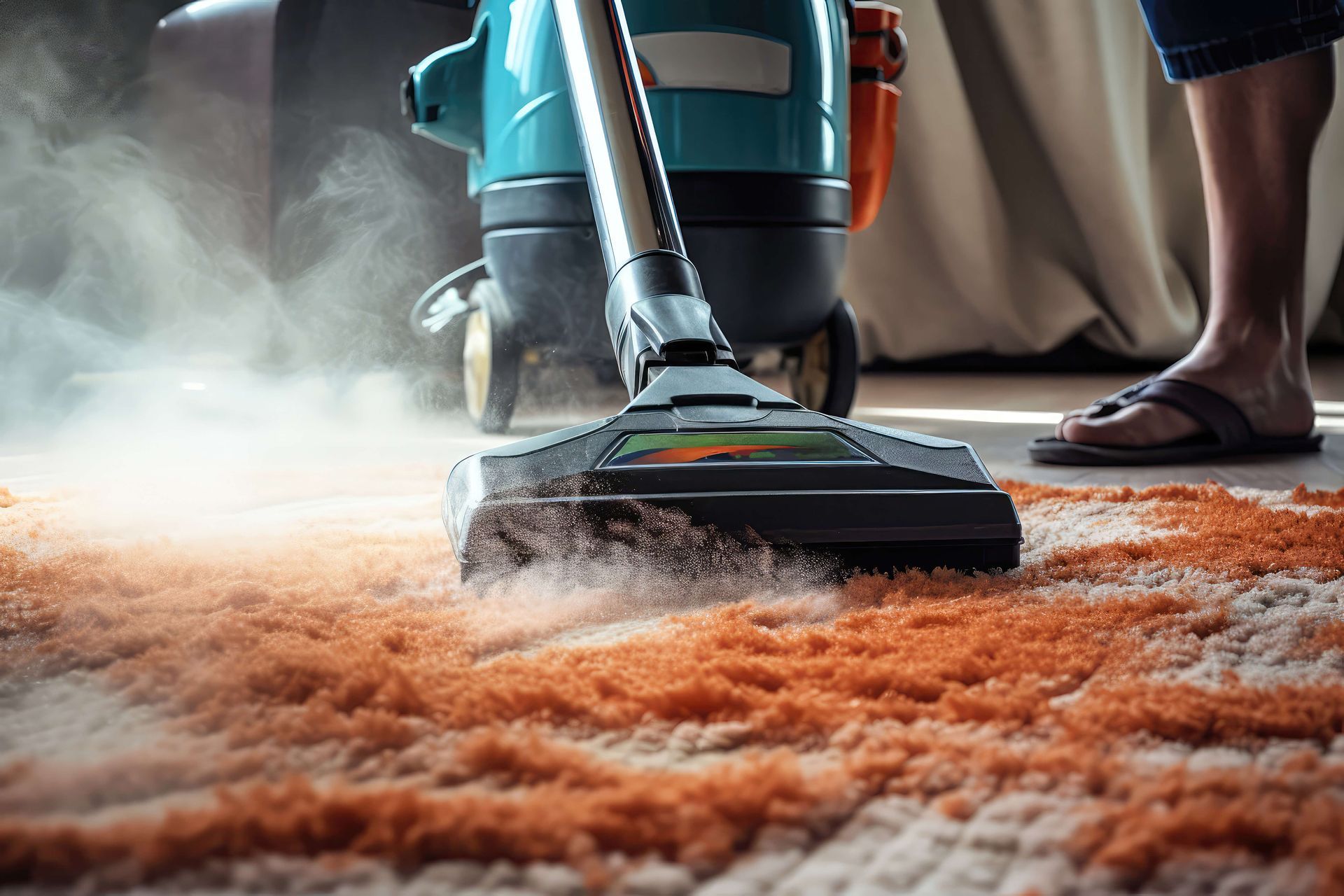
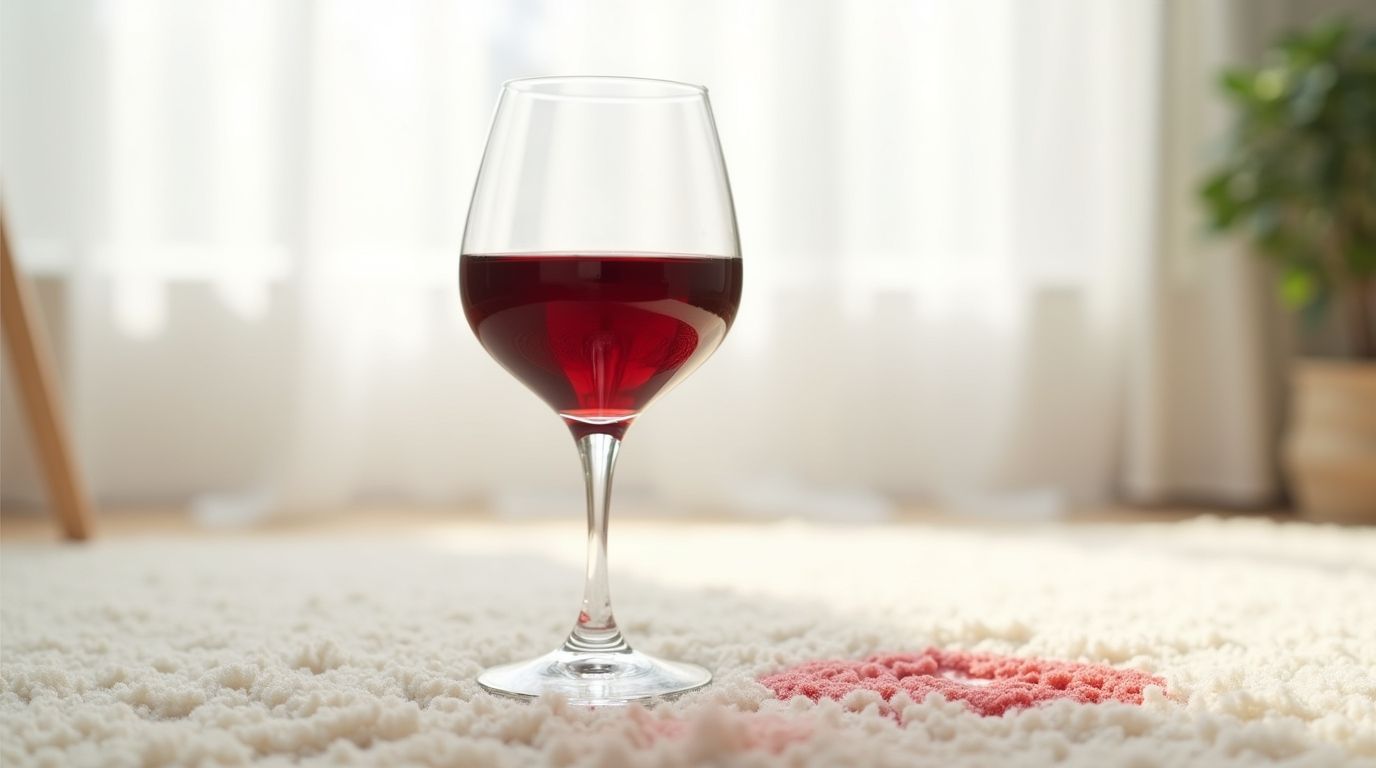
Choose steam cleaning when your rug has not been professionally cleaned in over 12 months, when biological stains like urine or pet accidents are present, or when anyone in the household has allergies or asthma. These situations need deep extraction, not surface treatment, and steam is the only method that removes allergens and kills dust mites throughout the full depth of the rug. High-traffic rugs that accumulate heavy soiling also respond far better to steam than to any surface-level method.
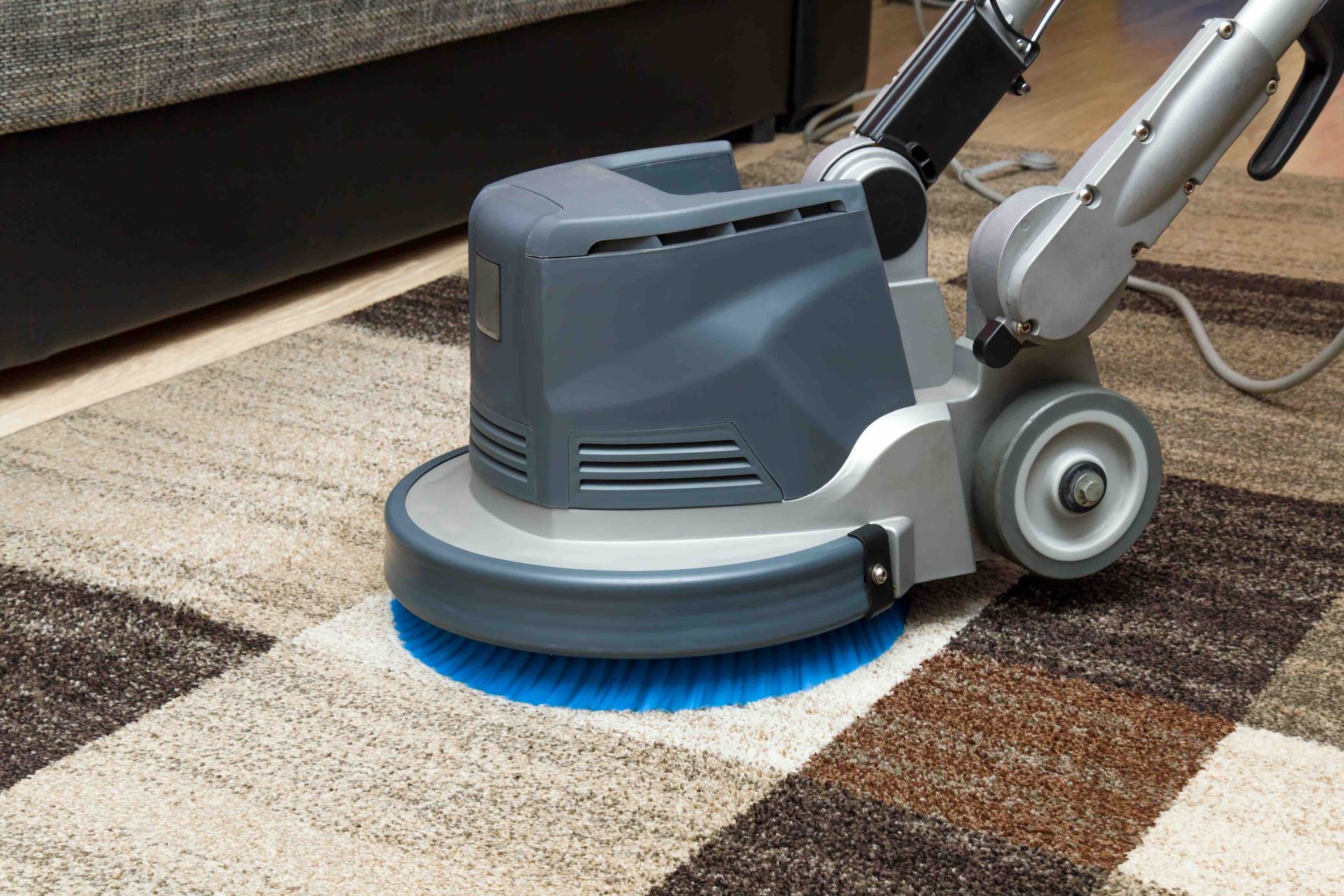
Select dry cleaning when your rug is made from natural fibres like jute or sisal, when it is an antique or hand-knotted piece with delicate dyes, or when you need it back in use within the hour. It is also the right choice for routine maintenance between annual steam cleans. For most Wollongong households, the most effective long-term approach is an annual steam clean combined with dry cleaning every three to four months, this keeps allergen levels consistently low rather than letting them build up to the point where one annual clean has to do all the work at once.
What DIY Rug Cleaning Actually Does
Baking soda, store-bought sprays, and domestic vacuums are commonly used on rugs, and each one has a specific and limited role. Baking soda absorbs light surface moisture and temporarily neutralises some odour. A rug spray with a surfactant can loosen very light surface dirt when blotted correctly. A domestic vacuum removes loose debris and some surface-level mites. These are all useful maintenance habits, but none of them penetrate more than a few millimetres into the rug pile, none of them kill dust mites in the deeper layers, and none of them have any effect on uric acid crystals or embedded bacterial load.
The bigger risk with DIY cleaning is introducing moisture that cannot be properly extracted. Without commercial-grade suction, water soaks into the rug backing and stays there. In Wollongong's humid climate, a damp rug backing can develop mould within 24 to 48 hours. This is why rugs often smell worse a few days after a DIY clean: the original problem was not removed, and new bacterial growth has started in the newly dampened interior. When a rug has not been professionally cleaned in over a year, when stains or persistent odour are present, or when allergy symptoms are worsening despite regular vacuuming, professional
rug cleaning is the only method that will resolve the underlying problem properly.
What Happens If Your Rug Is Affected by Water Damage
A rug soaked by a burst pipe, roof leak, or flooding is not a routine cleaning job, it is an emergency that needs immediate action. When water soaks through the surface, it reaches the backing, the underlay, and sometimes the subfloor beneath, and mould can begin developing inside the pile within 24 hours . Our service uses industrial extraction equipment and actively managed drying to remove far more water than standard cleaning machines can handle. The sooner you call, the better the outcome, the window for saving a water-damaged rug narrows quickly.
- Mould can grow inside a wet rug within 24 hours in coastal NSW humidity
- Water penetrates the backing and underlay, not just the surface fibres
- Standard rug cleaning equipment is not built for flood-level moisture
- Industrial extraction and active drying are required for full restoration
- Acting within the first few hours significantly reduces the risk of permanent damage
How Often Should Rugs Be Professionally Cleaned in Wollongong?
For most Wollongong households, professional rug cleaning every 6 to 12 months is the right interval. The coastal humidity means allergen load and bacterial contamination rebuild faster here than in drier parts of NSW, so the shorter end of that range is the safer choice for most families. Households with children under 10 should aim for every 6 months, because kids spend more time on floor surfaces and spills, food, and play activity accelerate contamination buildup significantly.
Households with pets should schedule cleaning every 3 to 6 months, as dander, outdoor allergens, and pet moisture compound the normal accumulation rate. Anyone with diagnosed allergies or asthma gets the most benefit from cleaning at the shorter interval, because keeping allergen levels consistently low produces better health outcomes than a single intensive annual clean. Between professional services, vacuum weekly, rotate the rug every three months, address spills immediately with enzyme treatment, and air the rug outdoors on a dry breezy day periodically to reduce moisture buildup inside the pile.
Frequently Asked Questions
Can steam cleaning damage a wool or antique rug?
It depends entirely on the rug's fibre type, dye, and construction, which is exactly why a professional technician inspects every rug before choosing a method. Synthetic rugs handle steam extraction very well. Wool rugs can be steam cleaned safely when the correct water temperature, pressure, and pH-neutral solutions are used, because wool is durable but sensitive to high heat and alkalinity.
Why does my rug smell worse after I cleaned it myself?
The most common cause is moisture that could not be fully extracted with domestic equipment. Without commercial-grade suction, water soaks into the rug pile and backing and stays there, creating warm and damp conditions that accelerate bacterial growth.
Can professional rug cleaning help with my child's allergies or asthma?
Yes, and the clinical reasoning behind it is well established. The main allergen in dust mite-related asthma is Der p 1, found in mite faecal particles that settle into rug fibres and become airborne when the rug is walked on or played on. Children are most exposed because they spend more time at floor level, closer to the rug pile where allergen concentration is highest.
How long does a professionally cleaned rug take to dry in Wollongong?
After professional steam extraction, most rugs dry within 4 to 8 hours under good ventilation conditions. Wollongong's coastal humidity can push drying toward the upper end of that range, particularly during summer. Running ceiling fans, opening windows on opposite sides of the room to create cross-ventilation, and hanging the rug vertically where possible to allow airflow across both faces will all speed up the process noticeably.
What is the best way to maintain a rug between professional cleans?
Vacuum at least once a week, including the underside of the rug where possible, because dust and debris migrate upward through the pile from the backing layer. Rotate the rug every three months to distribute wear and contamination evenly across the surface. Use a rug pad underneath to reduce friction wear on the backing and allow some airflow between the rug and floor.
Contact Wollongong Carpet Cleaning Pro for Rug Cleaning
Whether you need a deep steam clean, a low-moisture dry clean for a delicate natural fibre rug, or enzyme treatment for a biological stain, contact Wollongong Carpet Cleaning Pro today. We have the right option, the right method, and the local knowledge to deliver a result that lasts.